Your practical guide to the Boiler Upgrade Scheme in 2026

For installers working with the Boiler Upgrade Scheme, this quick-reference guide has everything you need, from grant values and eligibility through to the voucher application process, in short, easy-to-navigate sections.

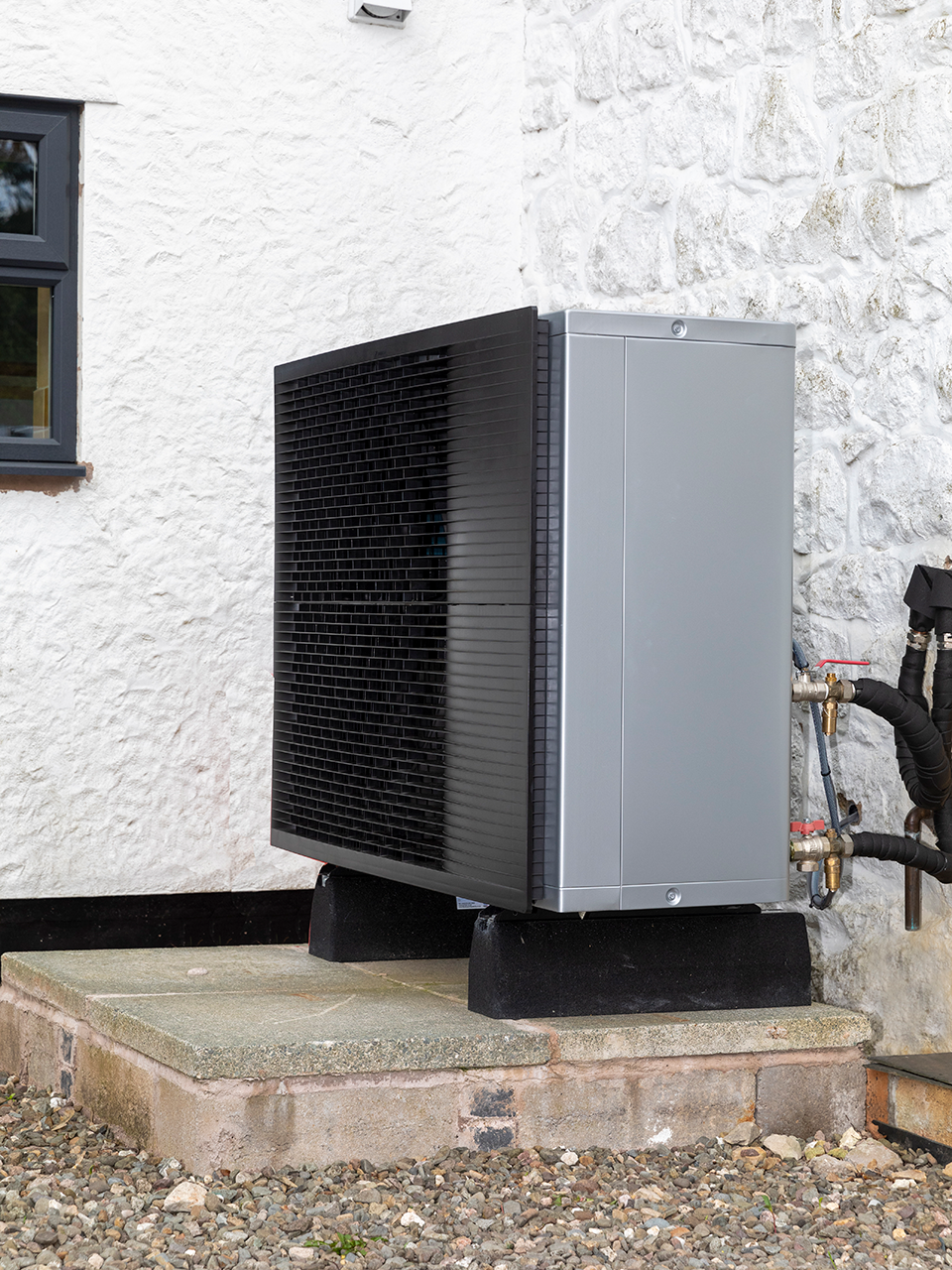






Basic facts on the scheme
The Boiler Upgrade Scheme is a government-backed grant programme designed to increase the uptake of low-carbon heating. This section covers the essentials: what the scheme is, who runs it, how long it runs for, and the committed budget through to 2030.
The Boiler Upgrade Scheme (BUS) is a grant funding scheme that aims to incentivise and increase the deployment of low carbon heating systems such as heat pumps and, in limited cases, biomass boilers. The scheme is installer led, meaning installers apply on behalf of property owners.
This version of the guidance applies to applications properly made on or after 28 April 2026. Applications submitted before this date fall under earlier guidance versions.
The Boiler Upgrade Scheme has been extended until 2030.
The BUS scheme has a committed budget of £2.3 billion over 2026–2030, with an annual budget allocation of £400 to £600 million.
- Financial year 2026 - 2027: £400m budget
- Financial year 2027 - 2028: £600m budget
- Financial year 2028 - 2029: £683m budget
- Financial year 2029 - 2030: £709m budget
Vouchers will be issued, on a first-come first-served basis, to applicants who meet the eligibility requirements until the budget cap for the financial year is reached. Information on the total value of all grants paid to date is published by Ofgem on a monthly basis.
The scheme is administered by Ofgem on behalf of the Department for Energy Security and Net Zero (DESNZ).
Ofgem (on behalf of the Gas and Electricity Markets Authority) is Great Britain’s independent energy regulator. Ofgem functions to BUS include but are not limited to:
- publishing procedural guidance for prospective installers and property owners
- processing voucher applications and voucher redemption applications
- making payments to installers following successful voucher redemption applications
- publishing reports on how the BUS is operating
- monitoring and enforcing compliance with the requirements of the regulations.
Grant values and technologies
Not all technologies attract the same level of funding, and some have specific conditions attached. This section sets out which heating systems are eligible, how much grant is available for each, and some important clarifications around hybrid systems and combined heating and cooling.
Eligible technologies include:
- Air-to-water heat pumps
- Air-to-air heat pumps (residential properties only)
- Ground source heat pumps (including shared ground loops)
- Water source heat pumps
- Biomass boilers (limited circumstances only)
Inclusion of Air-to-Air heat pump to BUS scheme is new for the scheme. With the latest amendment, BUS scheme now allows alternative technologies such as Air-to-Air heat pump.
Grant values are: Technology Grant
- Air to water heat pumps* - £9,000
- Air to water heat pumps - £7,500
- Air to air heat pumps - £2,500
- Ground source heat pumps - £7,500
- Biomass boilers - £5,000
*The UK Government has announced that the Boiler Upgrade Scheme grant will be temporarily increased from £7,500 to £9,000 from 21st July 2026 for homes and small businesses in England and Wales who rely on heating oil or LPG. It mirrors the £1,500 rural uplift available in Scotland through the Home Energy Scotland Grant and Loan scheme.
The installer receives the grant payment after successful voucher redemption, but the full grant value must be passed to the property owner as an upfront discount on the quote.
Where a heat pump is installed as part of a hybrid system, eligibility for BUS will depend on how the system is configured at installation.
- Fossil fuel hybrid systems are not eligible.
- Hybrid capable heat pumps may be eligible if installed without a fossil fuel appliance.
- Heat pumps that integrate with solar photovoltaic (PV) systems are eligible under BUS. In these cases, the solar PV installation typically contributes to the electrical input required by the heat pump and does not directly generate heat.
Based on above criteria, Daikin hybrid heat pump systems (integrated fossil fuel hybrid system) are not eligible for BUS. Installations which comprise both a heat pump and a fossil fuel boiler are ineligible. It is a requirement of the BUS scheme that any existing fossil fuel boiler must be removed to maintain eligibility.
Yes, any hydronic (air-to-water) HP system is eligible under BUS. And if the HP system can meet the full space heating and domestic hot water demand requirements, then any additional functionality such as cooling is also permitted under BUS.
Installer eligibility and responsibilities
BUS is installer-led, which means you carry both the opportunity and the responsibility. This section covers the certification and competency requirements you need to meet before applying, including the specific requirements for air-to-air installations, and what your obligations are once you're on board.
Only Microgeneration Certification Scheme (MCS) certified installers who:
- Are certified for the relevant technology, and
- Are members of an approved consumer code (HIES or RECC)
MCS is an industry-led quality assurance scheme, which demonstrates the quality and reliability of approved products and installation companies. MCS have launched a free interactive learning platform who want to become MCS certified.
Even to install air-to-air heat pumps prior to applying for the BUS, installers must be certified by an MCS accredited certification body.
For A2A installation, business’ Technical Supervisor assigned to an air-to-air heat pump installation, must hold competence in Refrigeration, Air Conditioning and Heat Pumps (RACHP) at Level 3 (or above). Some existing MCS installation businesses may already hold these qualifications within their team, while others will need to bring these competencies in through training, hiring, or by subcontracting.
No. Temporary MCS certification numbers cannot be used to create an account or submit applications.
Yes, but only where subcontracting fully complies with MCS standards. The applicant installer remains fully responsible for compliance and the work of the sub-contractor.
- Deduct the full grant upfront from the customer quote
- Do not ask for or accept the grant value from the customer
- Create a BUS installer account before applying
- Keep all records for 6 years
- Ensure system design meets 100% space heating demand
Property eligibilty
Before you apply, the property needs to meet certain criteria. This section explains which property types qualify, where Scotland sits outside the scheme, how social housing is treated, and what evidence is required now that EPCs are no longer mandatory.
- Properties must be located in England or Wales.
- Properties in Scotland is not eligible under BUS; however, Scotland has a separate scheme called Home Energy Scotland Scheme which provide similar level of grant (£7,500 grant with an additional £7,500 available as an interest free loan (or £9,000 if you qualify for a ‘rural’ uplift).
Eligible heat pumps depend on the eligible property types
- Air-to-water heat pumps: Residential and non-residential properties
- Air-to-air heat pumps: Only residential properties
- Ground source heat pumps: Residential and non-residential properties
- Biomass boilers: Residential and non-residential properties
Example for eligible properties:
- Residential properties: owner-occupied properties, properties rented out to tenants, second homes, holiday homes and park homes.
- Non-residential properties: churches, community centres, and office spaces.
Only eligible self builds are allowed for new builds. Self-builds that have:
- been built mainly using the labour or resources of the first owner
- never been owned by a business or organisation
No. Properties classified as social housing are not eligible. Social housing refers to homes owned or managed by:
- councils or local authorities
- housing associations or registered social landlords
- other organisations providing housing at below market rent or through shared ownership schemes for people in housing need
No. Only one voucher can be redeemed per property.
No, BUS vouchers are non-transferable and linked to installer, property owner, property address and technology type. If any of the information relied on at voucher application is no longer applicable, the voucher redemption will get rejected.
No. From 28 April 2026, a valid EPC is no longer mandatory. However:
- If a valid EPC exists, it must be provided
- If not, alternative evidence is required (e.g. utility bills, photos)
Heating system requirements
The system you install has to meet defined performance and capacity standards. This section covers the technical requirements, including SCOP thresholds, capacity limits, cascade system rules, and what supplementary appliances are permitted alongside the BUS-funded heat pump.
An existing fossil fuel heating system (i.e. boiler based on gas, oil, Liquefied Petroleum Gas (LPG) or coal) or electric heating system which does not include a heat pump can be replaced under the BUS scheme.
No, electricity and heat metering is not required for BUS but may be included as part of the system if desired.
To check if any specific heat pump or biomass boiler is eligible under BUS, Ofgem Product Eligibility List (PEL) can be visited. The Ofgem PEL is an administrative tool to help identify products that could be eligible for the BUS. All products listed are taken from the MCS certified product directory and meet the MCS standards required by BUS.
The maximum permitted capacity limits for heat pump systems are:
- 45 kWth for an individual heat pump system
- 70 kWth for a multi heat pump system
- 300 kWth total for shared ground loop systems, with each connected heat pump not exceeding 45 kWth.
And the minimum performance requirements for air-to-water heat pumps and ground source heat pumps is to seasonal coefficient of performance (SCOP) of at least 2.8 calculated in accordance with the MCS SCOP calculator (MCS026).
BUS defines multi heat pump system (also known as a cascade system) as a setup where two or more heat pumps are linked to serve a single property (and any related properties). A Multi heat pump system is eligible under BUS, but only one BUS voucher will be issued for the entire system.
Eligible configurations include:
- two or more air-to-water heat pumps
- two or more air-to-air heat pumps
- two or more ground-source heat pumps
- a combination of air-source heat pumps and ground-source heat pumps
When applying for a multi-heat pump system only one MCS certificate should be generated and must be provided at the voucher redemption stage.
This means that multi split can be combined with single split air to air to meet the 100% space heating demand.
Yes. The BUS funded heat pump must be capable of meeting the 100% space heating and hot water demand to a property, either:
- On its own, or
- Alongside eligible supplementary heating appliances
The new rules do not demand hot water be part of the HP solution if a standalone fossil fuel free HW system is already in place (like electric immersion for A2A).
Yes, from 28 April 2026, provided they:
- Are not fossil fuel based
- Are installed and operational at commissioning
Supplementary heating appliances may be retained from the previous system or installed new. Examples of supplementary heating appliances include:
- air to air heat pumps
- ground/water source heat pumps
- exhaust air heat pumps
- solar assisted heat pumps
- direct electric heating
- storage heaters
- heat batteries (thermal energy storage system)
- hot water heat pumps
- immersion heaters
They must be installed and operational when the BUS-funded heat pump is commissioned.
Yes, certain components (e.g. radiators, pipework, hot water cylinders) may be retained if suitable. However, the main heat generating unit must always be new. Installers must fully replace the property’s existing fossil fuel or electric heating system, except where supplementary heating appliances are permitted under the scheme. Existing components that can be reused include:
Heat-generating or related components:
- Immersion heaters for hot water
- Supplementary electric heaters
- Circulation pumps
- Solar thermal collectors
Ancillary equipment:
- Pipework
- Radiators or other heat emitters (including storage heaters)
- Hot water cylinders or buffer tanks
- Heating controls (thermostats, timers)
- Valves and isolators
- Expansion vessels
Voucher applications
The application process runs in two stages: first securing a voucher, then redeeming it after installation. This section walks through both stages step by step, including what you need to submit, how consent works, voucher validity periods, and what happens if you commission before applying.
- Voucher application
- Voucher redemption application
Both are completed by the installer.
Yes, before making stage 1 voucher application, the installer must tell homeowner about their consent and audit that are required by Ofgem. Installer should:
- have an agreement with the property owner to submit a BUS voucher application for the installation of a heat pump.
- provide the property owner with a quote and quote must deduct the full grant upfront from the customer quote.
- carry out an on-site assessment by carrying out a site visit and be satisfied that the property and technology choice meet all of the eligibility requirements and associated evidence to demonstrate that the eligibility criteria are met when making a voucher application.
- inform the property owner that Ofgem will be contacting them regarding the BUS voucher application and that they will be asked to confirm they have consented to a BUS voucher application being made.
- inform the property owner that Ofgem will verify their identity and that they will be asked to confirm their identity.
- inform the property owner that Ofgem may require access to their property for audit purposes.
Stage 1 voucher application process involves 5 different steps as shown below.
- Step 1: Installer receives instruction from property owner to apply for a BUS voucher
- Step 2: Installer makes a voucher application to Ofgem and provides all the necessary information
- Step 3: Ofgem assess the application for eligibility and contact the property owner to confirm consent to a voucher application being made
- Step 4: Once property owner has provided consent and any requested further information have all been addressed the application is considered properly made
- Step 5: Where Ofgem are satisfied that the eligibility conditions are met, Ofgem issue a voucher to the installer
- Step 1: Heating system is commissioned (and insulation installed if required)
- Step 2: Installer submits voucher redemption application within validity period
- Step 3: Ofgem assess voucher redemption application and notify installer of outcome
- Step 4: Ofgem make payment to installer for successful redemption
A Stage 2 voucher redemption application can be submitted at any point within the voucher validity period ahead of the voucher expiry date, once the installer has received a BUS voucher and has commissioned the associated low carbon heating system. After approval of voucher redemption application by Ofgem, the value of the grant will be paid directly to the installer. The price paid by the property owner is the total cost less the value of the grant.
- 3 months – Air to water, air to air heat pumps and biomass boilers
- 6 months – Ground source heat pumps
Yes, but at the installer’s risk. As if eligibility requirements are not met, a voucher will not be issued. If commissioning occurs before the voucher application, the application must be properly made within 120 days of the commissioning date. Applications outside this window will not be eligible, including re-applications following a withdrawal, revocation or voucher expiry. The commissioning date is taken from the MCS certificate.
If the installer has not been able to complete the installation within the voucher validity period, the voucher will expire and will not be able to be redeemed. However, where a voucher has expired, installers can re-apply for a new voucher. The BUS regulations do not allow for any extensions to the voucher validity period.
The installer is required to provide the following information and associated evidence to demonstrate the eligibility criteria:
- the installation address of the property
- the property owner’s name, email address (if they have one), telephone number and home address (if different from the installation address)
- technology type being installed: ASHP, GSHP, GSHP as part of a shared ground loop, or biomass boiler
- the fuel type of the heating system being replaced at the property
- confirmation of whether the property is connected to the gas grid
- whether the property is an eligible self-build and if so evidence to demonstrate this
- declaration that the property is not social housing
Payments and audits
Once a voucher redemption is approved, payment is straightforward. This section covers when and how you'll be paid, what Ofgem's audit process involves, and the circumstances in which payments can be withheld or vouchers revoked.
Payments are typically made:
- Within 5 working days of a successful redemption approval
- Via BACS to the installer’s UK bank account
Installers must:
- Cooperate with desk or site audits
- Provide requested evidence
- Retain all documentation for 6 years
Refusal of audits may result in voucher revocation or repayment and even removal from BUS.
Yes, Ofgem may:
- Withhold payments
- Revoke vouchers
- Require repayment
- Suspend or remove installers from BUS
Payments may be withheld where Ofgem suspect non-compliance with the BUS Regulations. Several reasons including (but not limited to) the following:
- the installer has failed, or is failing, to comply with an obligation
- incorrect information was provided in relation to another issued voucher or paid boiler upgrade grant
- the installer is not MCS-certified for the relevant technology.
- the property does not meet BUS eligibility requirements.
- the heating system (including any supplementary heating appliance) is:
- different to the one in the application
- not eligible under BUS regulations
- not eligible for the property in question or
- not fully commissioned
- the property owner has not consented to the installation, or the consent provided is falsified.
- the property owner has previously received public funding for the same low carbon heating system, or for another low carbon heating system at the same address.
- notification from MCS or a consumer code that an installer is under investigation for a breach of their requirements.
Support and queries
If something isn't covered here or you need help with your account or application, Ofgem offers direct support. This section has the contact details you need, plus a note on assisted digital support for those who need it.
Yes. Assisted digital support is available for:
- Account creation
- Applications
- Property owner consent