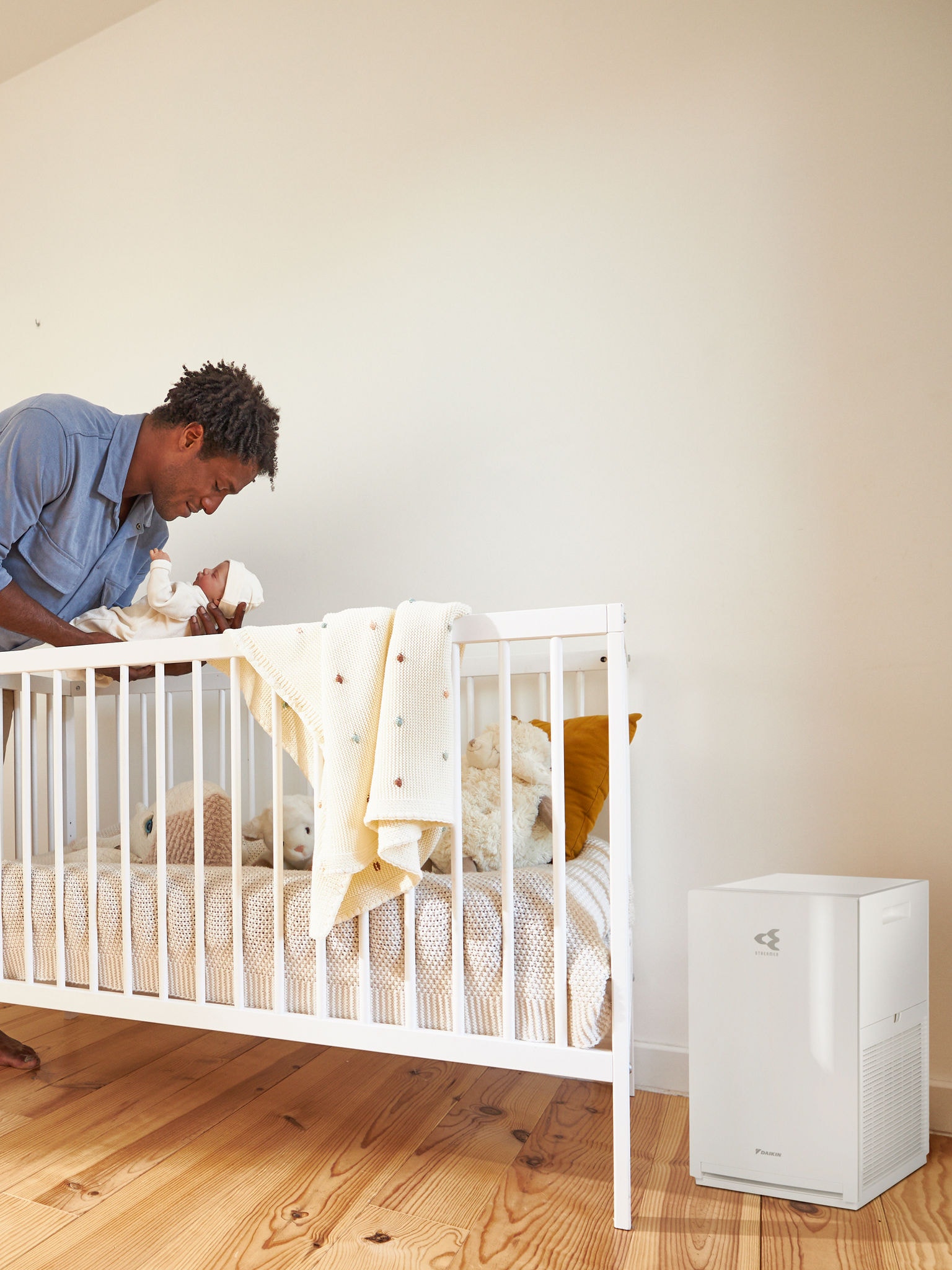
Air purifier technology: the latest innovations for cleaner indoor air
Cutting-edge air purifier technology offers smarter, effective solutions for a healthier life
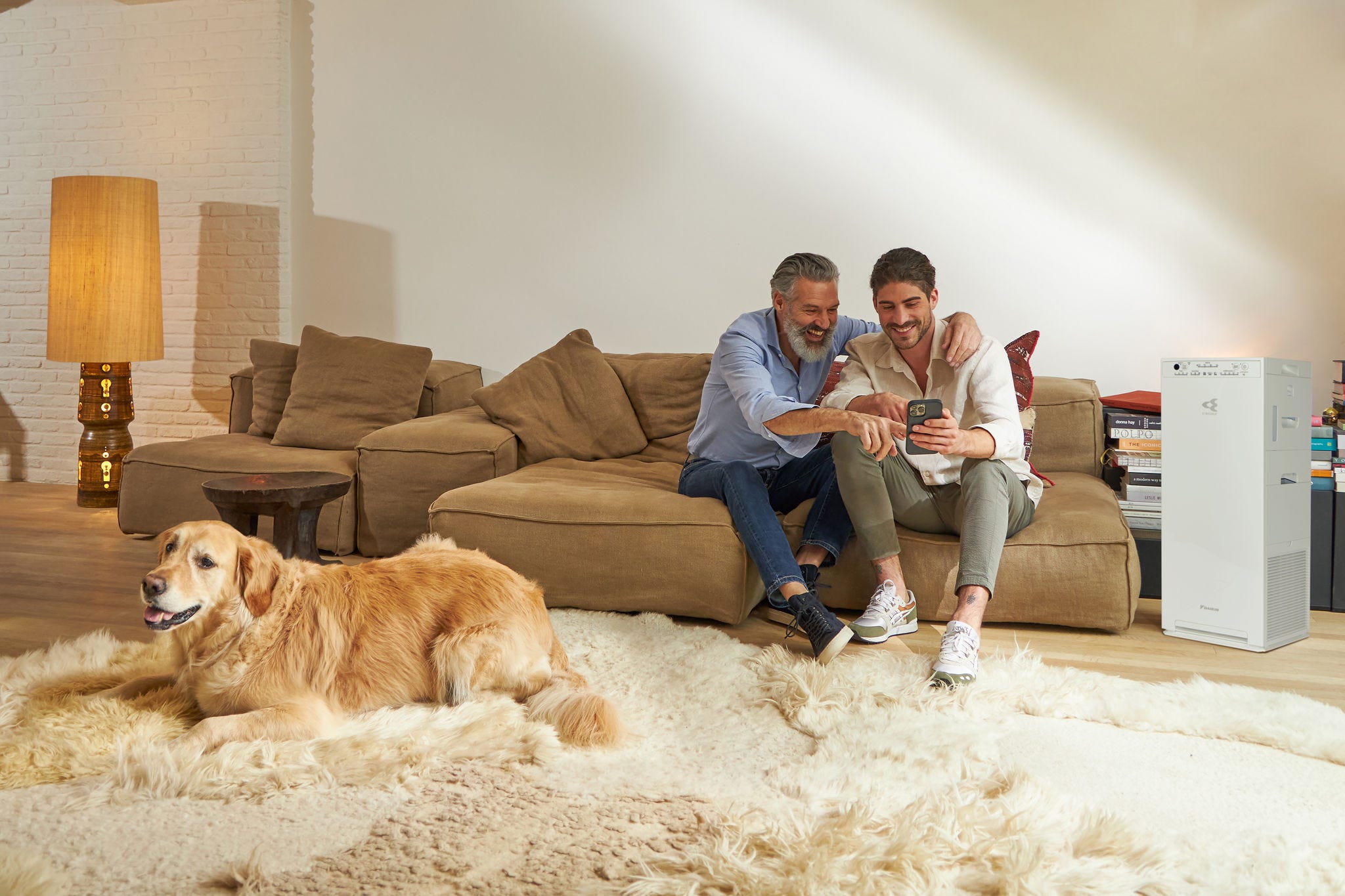
As people become more concerned about the environmental and indoor air quality, air purifier technology has become increasingly important to home comfort. This article explains how modern air purifier technology works, the latest filtration and sensor innovations, and what to consider when choosing the right air purifier for cleaner, healthier indoor air at home.
The growing need for cleaner indoor air
In recent years, awareness around the quality of indoor air has dramatically increased. Indoor air quality is often poorer than outdoor air, especially in tightly insulated homes where pollutants like dust, allergens, and Volatile Organic Compounds (VOCs)1 can accumulate, posing serious risks to health.
On average, people spend between 60 - 90% of their time indoors, and exposure to indoor air pollution is linked to an estimated 3.2 million premature deaths annually worldwide.
The COVID-19 pandemic further propelled attention to air purification, with a surge in demand for devices capable of reducing aerosolised pathogens in enclosed spaces. Public and private spaces alike began installing filtration and disinfection systems to limit the spread of airborne viruses. As a result, air purifiers have shifted from niche appliances to mainstream household necessities.
Today’s air purifiers are rapidly evolving, integrating smarter sensors, multi-stage filtration, and portable yet powerful designs. Many units now exceed the cleaning power of traditional whole-home systems despite being compact and light enough to move from bedroom to living room. This stems from consumer demand for affordable, efficient, and user-friendly air quality solutions that truly make a difference in daily life.
1 VOCs are gases emitted from common household products (paints, cleaners, furniture) and industrial sites. Short-term effects include eye/throat irritation, headaches, and nausea. Long-term exposure can damage the liver, kidneys, and central nervous system.
How air purifier technology works
Air purifier technology is fundamentally about cleansing indoor air by drawing it through filters or active components that trap or neutralise pollutants. The goal is to remove harmful particles (like dust and pollen), reduce allergens, eliminate odours, and inactivate microbes.
Mechanically, this happens via dense media such as HEPA filters capturing particulates; chemically, activated carbon adsorbs gases; and electrostatically, charged plates or ions attract and immobilise contaminants.
Each method has distinct strengths and limitations, and many modern systems combine approaches to tackle multiple types of pollutants.
Core air purification technologies explained
HEPA filtration: the gold standard for particle removal
HEPA filters (High Efficiency Particulate Air) are widely regarded as the benchmark in particle removal technology. A certified HEPA filter is also known as a 'True HEPA filter'. While all HEPA filters aim to deliver high efficiency, true HEPA stands out consistently capturing 99.97% of particles, including pollen, smoke and bacteria. The Daikin electrostatic HEPA filter collects dust efficiently using electrostatic forces, so it’s not prone to clogging. HEPA filters typically last longer than other types of filters, making them a cost-effective option in the long run. The Daikin filter has a lifetime of 10 years, significantly reducing running costs.
Activated carbon filters: neutralising odours and gaseous pollutants
Activated carbon filters operate on the principle of adsorption, where gases and odours are trapped within the filter’s vast network of microscopic pores. One gram of activated carbon can have a surface area exceeding 32,000 square feet, enabling it to effectively capture smoke particles, VOCs from paints and cleaners, and persistent cooking odours.
This makes it a critical complement to particle-focused filters like HEPA, since HEPA cannot remove gases. Many modern air purifiers integrate a dual-stage setup -HEPA for particulates and activated carbon for odours and chemical vapours-offering comprehensive coverage for urban apartments and homes with smokers or pets. Special chemicals are added to the filter to help break down harmful gases such as formaldehyde and nitrogen dioxide.
The main drawback is that carbon becomes saturated over time, requiring replacement every three–six months for optimal performance. However, integrated filter life indicators and modular cartridge designs now make replacements easier and more predictable.
What makes a good air purifier?
Multi-stage filtration systems
The most advanced air purifiers now combine multiple filtration and treatment methods into a single unit. A typical configuration might include a:
- Pre-filter for large particles
- True HEPA filter for fine particulates
- Activated carbon filter for gases and odours
This layered approach ensures that pollutants are removed across the full spectrum—solid, gaseous, and biological.
Such systems are especially effective in urban homes, where air can contain a mix of traffic pollution, indoor allergens, and seasonal pollen. Multi-stage systems deliver:
- A better Clean Air Delivery Rate (CADR)
- A longer filter life
- Less frequent maintenance for the consumer
Daikin air purifiers typically use a four-stage filtration process that includes a pre-filter for large particles, an Electrostatic HEPA Filter for fine particles, a Deodorising Filter for odours and VOCs, and their unique Flash Streamer technology to decompose chemical substances caught on the filters. Daikin’s patented Flash Streamer Discharge generates high-speed electrons that activate oxygen and nitrogen molecules, effectively decomposing bacteria, viruses, and hazardous gases without producing harmful byproducts. Some Daikin models also include extra features like a UVC LED light or a humidifying filter, which help improve air purification and enhance overall comfort.
Air purifiers vs. ventilation and HVAC systems
Your ventilation system keeps fresh air flowing, while a purifier targets pollutants. The best results often come from using both.
HVAC systems are critical when creating indoor environments that are safe and comfortable for people to use. Dedicated purifiers, by contrast, use specialised filtration media and can be placed in high-use areas for targeted cleaning.
Monitoring air quality in real-time
With real-time monitoring, you can see exactly how clean your indoor air is and adjust it instantly.
Modern air purifiers increasingly include integrated sensors to monitor:
- Carbon dioxide (CO₂)
- Humidity
- VOC levels
- Particle matter (PM): a mixture of solid particles and liquid droplets found in the air. PM is classified by size with the largest PM10 and the smallest PM2.5 and PM1, which are tiny enough to reach your lungs. Daikin’s advanced PM sensors actively monitor your impurity level in the house.
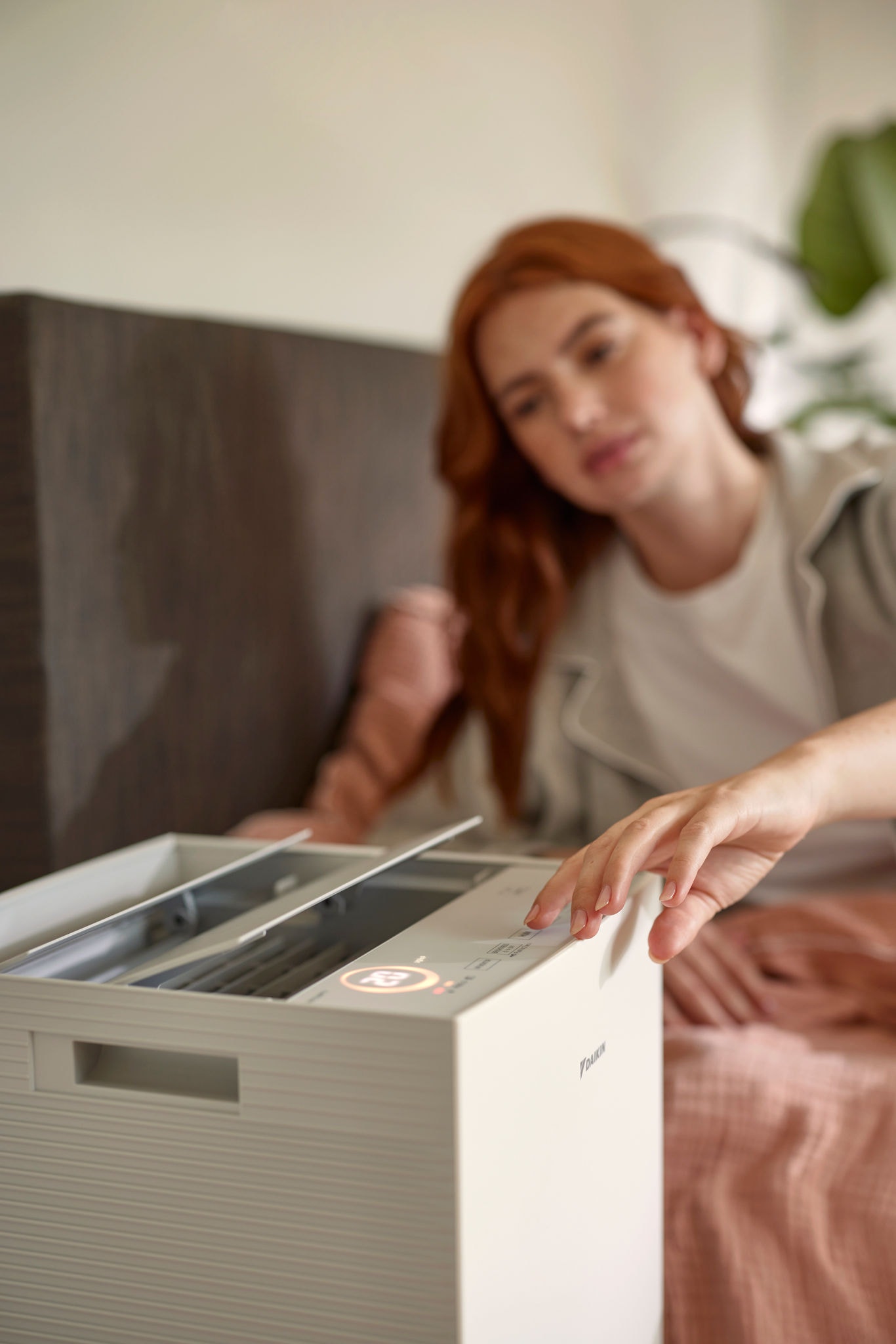
Daikin plug-and-play air purifiers, MCK70ZB and MC80ZB, connect to Daikin’s Onecta app, which allows you to control, monitor, and schedule air purification through a smartphone or tablet.
Voice assistant compatibility with Alexa or Google Assistant means adjustments can be made hands-free. This tech-driven approach makes air purification more integrated into daily life, enhancing convenience without sacrificing performance.
Smarter filter design and maintenance
The latest advances in filter technology include washable pre-filters that extend the lifespan of main filters, nanofiber membranes that increase particle capture efficiency, and electrospun materials that maintain airflow while blocking microscopic pollutants. Filter change indicators now rely on actual usage data rather than fixed timelines, reducing waste and ensuring replacements are made only when necessary. Less frequent replacements mean lower costs and less hassle.
Targeted air purification for allergy, smoke, and pets
Manufacturers now produce specialised air purifiers to tackle specific indoor air challenges.
- Allergy-focused models use high-grade HEPA and pre-filters to trap pollen, dust, and mould spores.
- Smoke-specific units pair HEPA with thick activated carbon layers to adsorb tar, ash, and VOCs common in urban pollution or wildfire-prone areas.
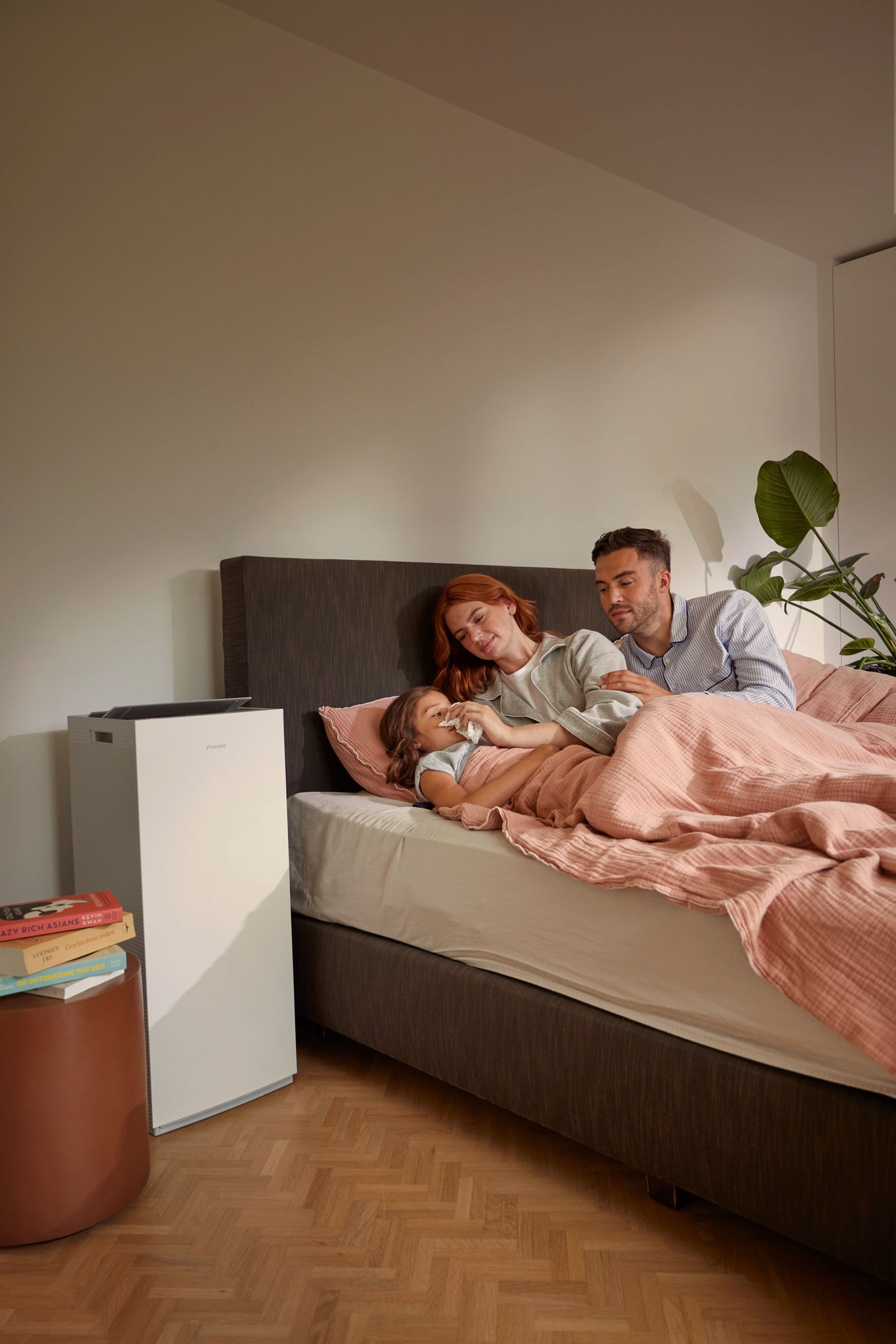
- Pet-centric purifiers target dander and odours, often including antimicrobial coatings to neutralise bacteria from pet hair.
Daikin air purifiers combine all these solutions.
Innovation, market trends and buying guidance
The future of air purifier technology
New developments in air purifier technology make them cheaper, safer and more sustainable for you. Emerging innovations include plasma air purification, which uses reactive plasma clusters to break down contaminants at a molecular level, and AI-driven algorithms that predict pollution events before they happen. Sustainable solutions such as biodegradable filters and solar-powered units are entering the market, responding to consumer demand for greener products.
Choosing the right air purifier for your needs
Selecting the right air purifier begins with correctly sizing it to your space. In Europe, experts recommend calculating the room volume (length × width × height) and multiplying it by the desired air changes per hour (ACH):
- 3 ACH for general use
- up to 5 ACH for allergy or infection control
This figure gives you the required Clean Air Delivery Rate (CADR) in cubic metres per hour. For example, a 30 m² room with 2.5 m ceilings (75 m³) at 3 ACH needs a purifier delivering at least 225 m³/h CADR.
Matching filtration type to your needs is equally important: True HEPA for allergens and fine dust, activated carbon for odors and volatile organic compounds (VOCs), and UV-C or photocatalytic filters for microbial control. It’s also important to consider whether you need a humidifying function, especially in colder climates where dry air can exacerbate respiratory issues.
Noise level is a practical factor — bedroom-friendly units should operate below 32 dB on low speed — and energy efficiency matters for long-term running costs, with Energy Star or manufacturer-published low-wattage figures as a guide. European buyers should also look for ECARF (European Centre for Allergy Research Foundation) or Allergy UK certifications, which guarantee proven allergen removal, low ozone output (<7 ppb), and safe, effective airflow. Finally, AHAM Verifide® certification, while U.S.-based, remains a useful benchmark for performance claims in the EU market. Filter replacement availability and cost are also worth checking in advance, especially for premium models.
By combining room-size calculations, targeted filtration, independent certification, and efficiency checks, consumers can ensure their investment delivers healthier indoor air without unnecessary compromises.
Conclusion: Why next-generation air purifiers matter
Air purification technology has evolved rapidly. What were once bulky, noisy devices are now compact, quiet systems with smart sensors, adaptive fan speeds and app-based control. Air purifiers have moved from niche allergy solutions to essential home appliances for maintaining healthy indoor air.
Modern air purifiers do more than trap dust. They help neutralise odours, reduce allergens, and remove airborne pollutants such as gases, bacteria and viruses. As homes become more airtight, effective indoor air purification plays an increasingly important role in everyday wellbeing, from better breathing to improved sleep quality.
Choosing the right air purifier is no longer about convenience alone. It’s a practical investment in long-term health, comfort and energy-efficient living.
Key takeaways
- Modern air purifiers combine HEPA, carbon and smart sensor technology for comprehensive air cleaning
- Indoor air can be more polluted than outdoor air, especially in well-insulated homes
- Multi-stage filtration delivers better performance and longer filter life
- Real-time monitoring helps maintain consistent indoor air quality
- The right air purifier supports healthier breathing, sleep and daily comfort