Air purifiers for cat allergies: reduce dander at home
Cat allergies: relief without giving up your furry friend
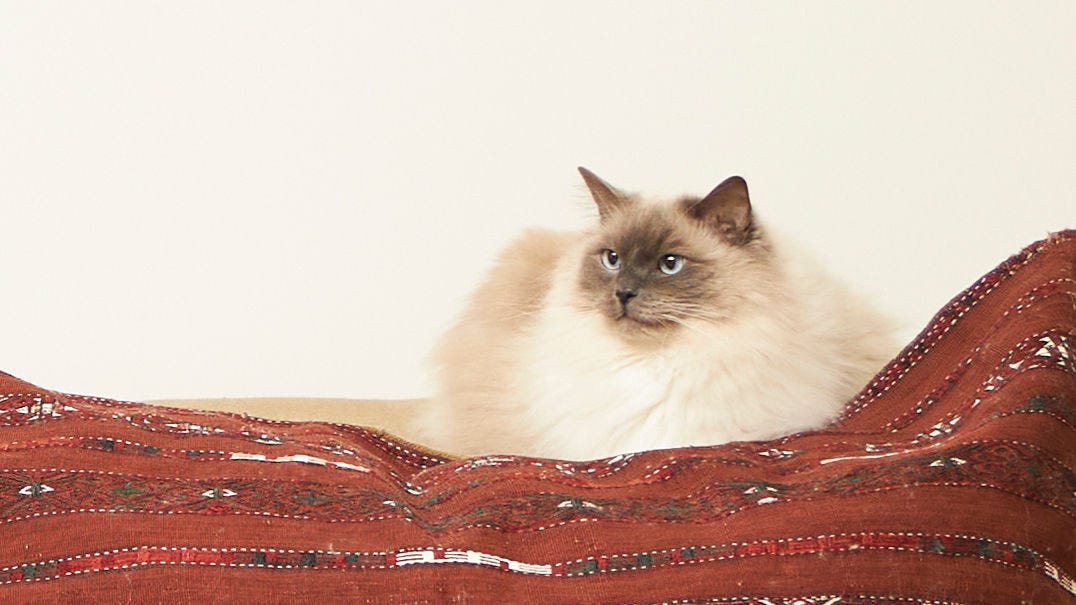
If you suffer from a cat allergy, read on to discover how air purifiers can reduce pet dander, hair, and airborne allergens in the home. Find out more about the types of purifiers best suited for you, and how to maintain optimal indoor air quality.
Living with cats and allergies
For millions of cat lovers around the world, the joy of feline companionship comes with a price: sneezing fits, watery eyes, and relentless congestion. Cat allergies are among the most common pet allergies globally, affecting up to 10-20% of the population. These allergic reactions are typically triggered by proteins found in a cat’s saliva, dander (dead skin flakes), and urine, rather than the fur itself, as is often assumed. When cats groom themselves, these proteins are transferred to their fur and skin, and once dried, they become airborne and easily inhaled.
As more households adopt indoor pets, managing indoor air quality becomes crucial for health and comfort. This is where air purifiers come into play, like the advanced Daikin models which claim to reduce allergens in the air by up to 99.97%, making daily life more breathable for sensitive individuals.
How do you know it’s a cat allergy?
Cat allergies are primarily caused by Fel d 1, a protein found in cat saliva, skin, and sebaceous glands. This microscopic allergen binds to pet hair and skin particles, which then shed naturally into the environment. In allergy sufferers, it can trigger:
- sneezing
- itchy skin
- runny eyes
- runny nose
- wheezing
Unlike seasonal allergens like pollen, cat allergens are persistent: they stick to soft furnishings, carpets, and clothing, and remain airborne for hours. Dander—the microscopic flakes of dead skin—is the most common culprit, though saliva and urine also play a key role, especially during grooming and litter use.
It’s important to distinguish between “cat allergies” and general “pet allergies.” While dogs can trigger similar symptoms, the proteins in cats are significantly more potent and smaller in size, allowing them to linger in the air longer and penetrate deeper into the respiratory system. Cat allergens can remain in a home for months after a cat has been removed, highlighting how deeply embedded these allergens become.
What is an air purifier?
Air purifiers draw in contaminated indoor air, pass it through filtration systems, and release purified air back into the room. This process helps reduce the concentration of airborne pollutants—including allergens like pet dander and hair—by continuously cycling the air. A high-quality air purifier can exchange the air in a medium-sized room up to five times per hour, ensuring constant particle capture.
There are several types of filtration technologies, but HEPA (High Efficiency Particulate Air) filters are widely recognized as the gold standard. Certified electrostatic HEPA filters, like those used by Daikin, trap 99.97% of particles as small as 0.3 microns, including pollen, dust mites, and of course, pet allergens.
For allergy sufferers, cleaner air isn’t just a comfort, it’s a necessity. A study cited by MedicAir found that using HEPA air purifiers in pet-owning homes significantly reduced symptoms of rhinitis and asthma.
Shop checklist for air purifiers
When shopping for an air purifier to combat cat allergies, one of the most important factors is whether the device uses an electrostatic HEPA filter—not just a “HEPA-type” or “HEPA-like” filter. An electrostatic HEPA filter captures at least 99.97% of particles as small as 0.3 microns, including allergens like cat dander and fine hair whereas “HEPA-like” filters often lack certification and can miss finer particles, making them unreliable for allergy sufferers.
The longevity of electrostatic HEPA filters represents a significant advancement in air purification technology. Traditional HEPA filters lose efficiency as they become clogged with particles, requiring frequent replacement. Unlike traditional HEPA filters that trap dust with a dense mesh and lose efficiency as they clog, Daikin’s electrostatic HEPA filters use charged fibers that attract dust like a magnet. Because the mesh isn’t so tight, air flows easily, keeping the filter from clogging, making the device quieter, and helping it stay effective much longer. This makes devices that use electrostatic HEPA filters the best ones for dust elimination.
Another key metric is the Clean Air Delivery Rate (CADR), which measures how quickly and efficiently an air purifier can filter specific contaminants like dust, smoke, and pollen. For pet dander, look for a CADR of at least 150 for small rooms, and 200+ for larger areas. It’s also essential to match the purifier’s recommended room size with the intended location. Using an underpowered purifier in a large space drastically reduces effectiveness. The CADR of Daikin’s range of air purifiers reaches 480m3/h, which is powerful enough to purify the air even in larger living rooms.
Multi-stage filtration systems are ideal. These typically combine a pre-filter (which traps large particles like hair), a carbon filter (which absorbs odours), and a HEPA filter (which captures microscopic allergens). This layered approach ensures both allergens and the distinctive smell of cats are managed effectively. Also, consider filter life expectancy—some filters need replacing every 6–12 months, while others offer washable or long-life options; Daikin’s electrostatic HEPA filters have a 10 year life expectancy.
Maximising the benefits of your air purifier
- For households with cats, placing air purifiers in high-traffic areas—such as living rooms, bedrooms, and near litter boxes—is crucial. Litter boxes are hotspots for both dust and ammonia-based odours, which activated carbon filters are specifically designed to neutralise.
- For best results, air purifiers should run continuously, especially during peak allergy seasons or if your cat spends most of its time indoors. Most modern models are energy-efficient, with power consumption comparable to a light bulb.
- It’s also worth combining your purifier with a vacuum cleaner equipped with a HEPA filter. Vacuuming floors, carpets, and upholstered furniture at least twice a week helps reduce the reservoir of allergens that purifiers may miss in static areas. For maximum coverage, pair multiple smaller units throughout your home to target allergen control in every room.
- Place purifiers away from walls and obstructions to allow optimal airflow and avoid corners where circulation is poor.
Why you need to maintain the filter of your air purifier
Even the best air purifier will underperform if its filters aren’t properly maintained. A clogged or worn-out filter compromises airflow, decreases purification efficiency, and in some cases, emits unpleasant odors or increased noise. Telltale signs that a filter needs replacing include a dusty smell, reduced airflow, or your device working harder and louder than usual. Ignoring these warnings can turn a helpful purifier into a glorified fan. Most quality purifiers come with indicators or app alerts for filter replacement.
Daikin filters last up to 10 years, making them a cost-effective option; other filters will need checking/changing every 6-12 months, depending on model. Activated carbon filters, used for odour absorption, often require more frequent replacement—every 3 to 6 months—especially in homes with multiple pets. Regularly cleaning or replacing pre-filters (which trap large particles like pet hair) helps extend the life of the core HEPA filter.
To ensure performance and safety, it’s important to purchase authentic replacement filters directly from the manufacturer or from certified retailers. Users should also check that air intake vents remain unobstructed, as blocked airflow can overburden the motor and reduce overall effectiveness. A small maintenance routine—cleaning, checking vents, and replacing filters on schedule—can help your device deliver consistent results year-round.
Can air purifiers alone fix an allergy to cats ?
Allergies are complex immune responses, and while air purifiers can significantly decrease the presence of dander, hair, and allergens like Fel d 1 in the air, they cannot eliminate allergens already embedded in fabrics, furniture, or on the cat itself. Clinical studies show that even with consistent filtration, some allergen particles remain in indoor environments, especially in soft materials and on hands after petting.
That’s where medical support plays a key role. Allergy sufferers may still require over-the-counter or prescription medications such as antihistamines, corticosteroid nasal sprays, or allergy immunotherapy (allergy shots) to manage symptoms. These approaches work in tandem with environmental control methods like purification and deep cleaning. The best results come from a layered strategy: using air purifiers to clean the air, vacuuming and surface cleaning to manage residues, and medical treatments to stabilize the immune response.
Vacuums and surface care
While air purifiers tackle airborne particles, allergens don’t just float—they settle. High-quality vacuum cleaners equipped with HEPA filters trap microscopic particles during vacuuming, preventing allergens like dander, fur, and dust mites from being re-released into the air. Standard vacuums without HEPA filtration can actually worsen allergy symptoms by stirring up rather than removing irritants.
Frequent cleaning is essential. Carpets, rugs, upholstered furniture, and curtains act like sponges for allergens. Experts recommend vacuuming at least twice a week, especially in areas where your cat spends most of its time. For pet hair accumulation, robotic vacuums can help maintain daily cleanliness, but should not replace manual HEPA vacuums.
Routine cat grooming also helps reduce the shedding of hair and dander—brushing your cat several times a week can significantly lower allergen levels in the home.
Some cleaning products and accessories are specifically formulated for pet homes. For example, vacuums with tangle-free brush heads and pet-specific attachments help extract embedded fur from sofas and bedding. Enzyme-based cleaners can neutralise protein allergens in saliva and urine residue, making them a smart addition to your routine.
Tips for holistic allergy control
Managing cat allergies doesn’t stop with technology—it’s also about lifestyle.
- Grooming
One of the most effective but often overlooked strategies is regular cat grooming. Brushing your cat several times a week can dramatically reduce the amount of dander and saliva-coated hair they shed into the environment. Some veterinarians even recommend occasional bathing with allergen-reducing shampoos—though not all cats will tolerate it, and it should only be done with cat species-safe products.
- Fabric sprays
Another useful tool in allergy control is the use of allergen-neutralizing sprays on fabrics. These sprays work by denaturing the protein structure of allergens like Fel d 1, rendering them inactive. Applying them to curtains, upholstery, and rugs once or twice a week can reduce reactivity in sensitive individuals.
- Pet-free zones
Creating pet-free zones, especially in the bedroom, also offers significant relief—keeping at least one area of the house dander-free allows the immune system a chance to recover overnight.
- Humidity
Maintaining optimal humidity levels (around 40–50%) helps prevent allergens from becoming airborne and limits dust mite proliferation, another common irritant. For example, Daikin's MCK70Z combines a humidifier and air purifier.
- Air circulation
Ensuring proper air circulation—either through open windows on clear days or with fan-assisted systems—reduces the buildup of stagnant, allergen-rich air.
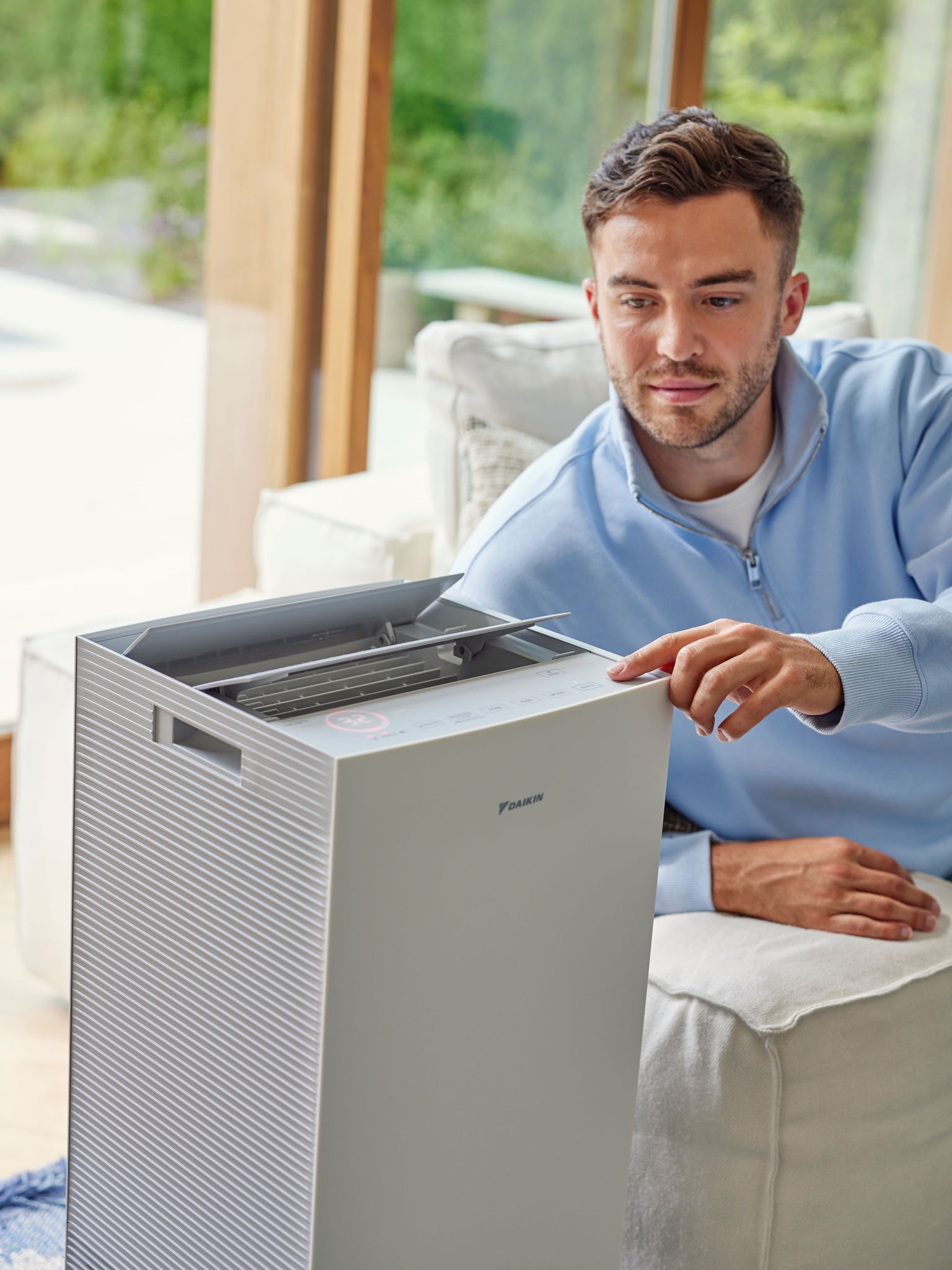

Enjoy your cat and your comfort
Thanks to technology and holistic cleaning practises, people are no longer accepting allergies as an unchangeable limitation.
Users of HEPA filters report marked improvements in allergy symptoms within weeks, particularly when combining purification with vacuuming and grooming routines. Proven technology like HEPA filtration, multi-stage systems, and smart sensors can reduce allergens by up to 99.97%, supporting allergy management. Air purifiers are no longer a luxury for pet owners—they’re a health essential, turning a home filled with sneezes and itching into a safe, breathable sanctuary.
With appropriate medical intervention and the right tools—air purifiers, HEPA vacuums, allergen sprays, and support from your vet—you can preserve the companionships and comfort of your cat and stay healthy.