Mould and health risks: do air purifiers really help?
Learn when air purifiers help with mould spores and why ventilation is key to prevention

For some people, mould is more than a mark on the wall, it can worsen asthma, trigger allergies or contribute to a persistent cough. Air purifiers can reduce airborne mould spores, but they do not remove mould or prevent it from growing. This article explains when air purifiers can help, why ventilation and humidity control matter more for long-term prevention, and when professional mould removal may be needed.
What is mould and how does it affect your health?
Mould thrives in damp, warm environments, reproducing by releasing microscopic spores into the air. These invisible particles travel through indoor spaces, settle on surfaces and can colonise new areas when moisture is present. Around 20–30% of UK households struggle with mould, often due to poor ventilation or hidden water leaks.
Exposure can trigger allergic reactions such as sneezing, nasal congestion and eye irritation. People with asthma, weakened immune systems or existing respiratory conditions are at greater risk. Some studies indicate that 10–15% of asthma attacks are linked to indoor mould exposure.
Infants, elderly individuals and those with pre-existing respiratory conditions face the highest risk. Mould often goes unnoticed until physical symptoms appear, making prevention and early detection crucial.
How air purifiers work
Air purifiers improve indoor air quality by filtering airborne contaminants such as dust, pollen and mould spores. A fan draws air through one or more filters, which capture and trap microscopic particles.
HEPA filters capture 99.97% of particles as small as 0.3 microns, making them highly effective against most common mould spores, which rangefrom 1 to 20 microns in size. Carbon filters, often paired with HEPA filters, remove odours and volatile organic compounds.
Understanding the difference between capturing airborne spores and stopping mould growth at its source is important. While HEPA filtration excels at trapping particles circulating through the air, it doesn't kill mould or remove spores already settled on walls, furniture or textiles.
The role of HEPA filters in managing mould spores
True HEPA filters capture particles of 0.3 microns or larger, including many mould spores found in homes. By removing these particles from circulation, HEPA filters can reduce inhalation risk and help relieve symptoms for people with allergies or asthma.
In a standard bedroom, a correctly sized HEPA air purifier can process the air multiple times per hour, significantly lowering airborne spore concentration. This can make a noticeable difference for sensitive individuals.
However, HEPA filtration does not address spores already settled on surfaces. Without tackling moisture sources and cleaning contaminated areas, mould can continue to grow and release new spores. HEPA filters should therefore be seen as part of a multi-layered mould management strategy, not a standalone solution.
Regular maintenance matters too. Daikin air purifiers feature electrostatic HEPA filters designed to last up to 10 years, offering a low-maintenance option compared with conventional filters that often need replacing every 6 to 12 months.
Do air purifiers help with mould?
Air purifiers can help with mould by reducing airborne mould spores, but they cannot eliminate mould itself. They capture particles floating through the air, which may provide temporary relief for allergy or asthma sufferers.
For example, a humid basement with visible mould on the walls will continue producing spores even if an air purifier runs continuously. True mould prevention requires addressing the root causes: excess humidity, condensation and leaks.
To control mould effectively, homeowners need to remove contaminated materials where necessary, repair leaks and dry affected areas. Without tackling moisture problems, mould can regrow quickly, making air purifiers only a partial solution.
Experts generally recommend combining air purification with proper cleaning, dehumidification and ventilation for meaningful mould control.
Why ventilation matters more for mould prevention
Ventilation regulates airflow and reduces indoor humidity, addressing the fundamental cause of mould growth. Poor ventilation allows moisture to accumulate, creating ideal conditions for mould. The World Health Organization recommends maintaining indoor humidity between 30% and 50% to minimize mould proliferation.
Opening windows, using exhaust fans in kitchens and bathrooms, and installing mechanical ventilation systems in tightly sealed homes all help. Good airflow disperses spores before they settle on surfaces. Studies show that homes with poor ventilation are up to 50% more likely to develop persistent mould problems.
Modern whole-home ventilation systems combine airflow management with humidity control to significantly reduce mould risk. Daikin's ventilation solutions provide consistent airflow, expelling moist air while introducing fresh, dry air from outside. This process maintains the recommended humidity range, inhibiting mould growth. These systems operate quietly and efficiently, ensuring that maintaining optimal indoor air quality doesn't increase energy costs.
Ventilation addresses the source of the problem, while air purifiers mainly manage symptoms.
Is an air purifier better than a dehumidifier for mould?
Neither device alone solves mould problems, but they serve different purposes. Dehumidifiers directly tackle the moisture that enables mould growth, making them more effective at prevention. An air purifier captures airborne spores, helping reduce exposure.
A dehumidifier in a damp basement can lower relative humidity from 65% to 45% within hours, dramatically reducing conditions that support mould. Air purifiers, meanwhile, capture airborne spores but don't affect moisture levels or surface contamination.
The most effective approach combines both:
- A dehumidifier to control humidity
- An air purifier to capture airborne spores
- Ventilation to provide long-term airflow and moisture control
This pairing works particularly well for sensitive individuals who need both environmental control and immediate symptom relief.
For long-term mould prevention, proper ventilation remains the priority, supported by humidity control through dehumidifiers and air cleaning through air purifiers. This layered strategy addresses both the cause and the symptoms.
When air purifiers can help
Air purifiers prove particularly useful during or after mould cleaning. After remediation, airborne spores can linger for hours or days. A HEPA air purifier captures these residual particles and prevents reinhalation.
They can also provide temporary relief in high-humidity climates while homeowners improve ventilation and humidity control. Individuals with allergies or asthma may benefit from using air purifiers in bedrooms, living rooms or basements, as studies show a 30-50% reduction in airborne spores can meaningfully alleviate symptoms.
Portable air purifiers allow targeted use in problem areas. They can be useful after water leaks, heavy rain or minor mould outbreaks when immediate spore reduction is needed. However, benefits remain limited if surfaces stay damp or contaminated, reinforcing that air purifiers are a complementary solution.
Limitations of air purifiers in mould-infested homes
Air purifiers cannot substitute for remediation in heavily mould-infested environments. Visible mould on walls, ceilings or furniture requires direct cleaning and professional intervention, as air purifiers cannot remove established colonies.
High humidity levels above 60% continue promoting mould growth regardless of air filtration. Using an air purifier alone may reduce some airborne spores but doesn't stop new spores forming on contaminated surfaces.
Additionally, air purifiers cannot treat hidden mould in HVAC ducts, behind drywall or under flooring. Over-reliance on filtration can create a false sense of safety, delaying necessary remediation.
Experts recommend viewing air purifiers as a supportive measure, not a primary solution, in environments with persistent mould. Addressing moisture sources, cleaning affected surfaces and ensuring proper airflow remain essential steps to fully eliminate mould.
Recognising mould at home
Early recognition proves crucial to prevent long-term health risks. Common signs include a musty odour, black or green patches on walls, peeling paint and persistently damp air.
Mould often hides in areas with limited airflow, such as:
- Bathrooms and shower cubicles
- Basements and cellars
- Kitchens, especially around sinks
- Behind furniture placed against external walls
- Window frames and sills
- HVAC systems and ductwork
Regular inspection of plumbing leaks, roof damage or condensation on windows helps detect conditions conducive to mould. Using a hygrometer to monitor indoor humidity identifies problem areas before mould appears.
Professional inspection becomes necessary if mould covers an area larger than one square metre or if occupants experience persistent allergy or respiratory symptoms.
How to choose the right air purifier for mould spores
Choosing the right air purifier improves performance against airborne mould spores. Look for a true HEPA filter, which captures 99.97% of particles 0.3 microns and larger. Deodorising or carbon filters remove odours associated with mould, while pre-filters trap larger dust particles to prolong HEPA life.
Optional UV-C lights may inactivate some microbes but should be used cautiously, as effectiveness against spores remains limited. Noise level matters for bedrooms or home offices, with quieter units enhancing usability.
Coverage area proves critical. An air purifier designed for a small bedroom will not clean the air effectively in a large open-plan space. Match the device to your room size for optimal performance.
Daikin air purifiers feature electrostatic HEPA filters designed to maintain effectiveness for up to 10 years without replacement, reducing maintenance while supporting consistent indoor air quality. This contrasts with conventional filters requiring changes every 6 to 12 months.
Humidity control and dehumidifiers
Maintaining indoor humidity between 30-50% stands as a critical step in mould prevention. Dehumidifiers complement air purifiers by reducing moisture that supports mould growth.
A dehumidifier in a damp basement can lower relative humidity from 65% to 45% within hours, dramatically reducing spore proliferation. Monitoring systems with built-in hygrometers provide real-time feedback and allow homeowners to adjust settings proactively.
Combining dehumidifiers with air purifiers ensures that spores captured from the air don't resettle in damp conditions. In homes prone to leaks or condensation, this approach prevents recurring mould outbreaks.
Ideally, dehumidifiers and air purifiers should be sized appropriately for room volume to maintain consistent results.
Maintaining your air purifier
Proper maintenance ensures your air purifier continues to capture mould spores effectively. Conventional HEPA filters typically require replacement every 6 to 12 months, depending on usage and indoor air quality. Pre-filters may need monthly cleaning to remove dust build-up.
Daikin electrostatic HEPA filters are designed to maintain effectiveness for up to 10 years without replacement, reducing long-term costs and maintenance effort. The outside surfaces of the air purifier should still be wiped regularly to prevent dust and spores from settling.
Signs maintenance may be overdue include reduced airflow, unusual odours or visible dust accumulation on the filter. Some units include filter indicators to make upkeep easier.
Failing to maintain the unit can reduce spore-capturing efficiency by up to 50%, limiting effectiveness in allergy prevention. Combining maintenance with humidity control and cleaning routines ensures optimal indoor air quality.
When to call professionals
Professional intervention becomes necessary when mould covers large areas, recurs despite preventative measures, or causes health symptoms. DIY removal proves adequate only for small, non-porous surfaces. Extensive contamination requires professional teams who safely handle serious infestations.
Prolonged exposure to mould can trigger chronic respiratory issues, immune reactions and allergic sensitisation. Remediation specialists assess moisture sources, remove contaminated materials and treat affected areas to prevent regrowth.
They use protective equipment to avoid spreading spores during cleaning. Air purifiers can support remediation by capturing lingering spores during and after the process. However, they don't replace the expertise needed for proper mould removal and source control.
Whole-home ventilation systems
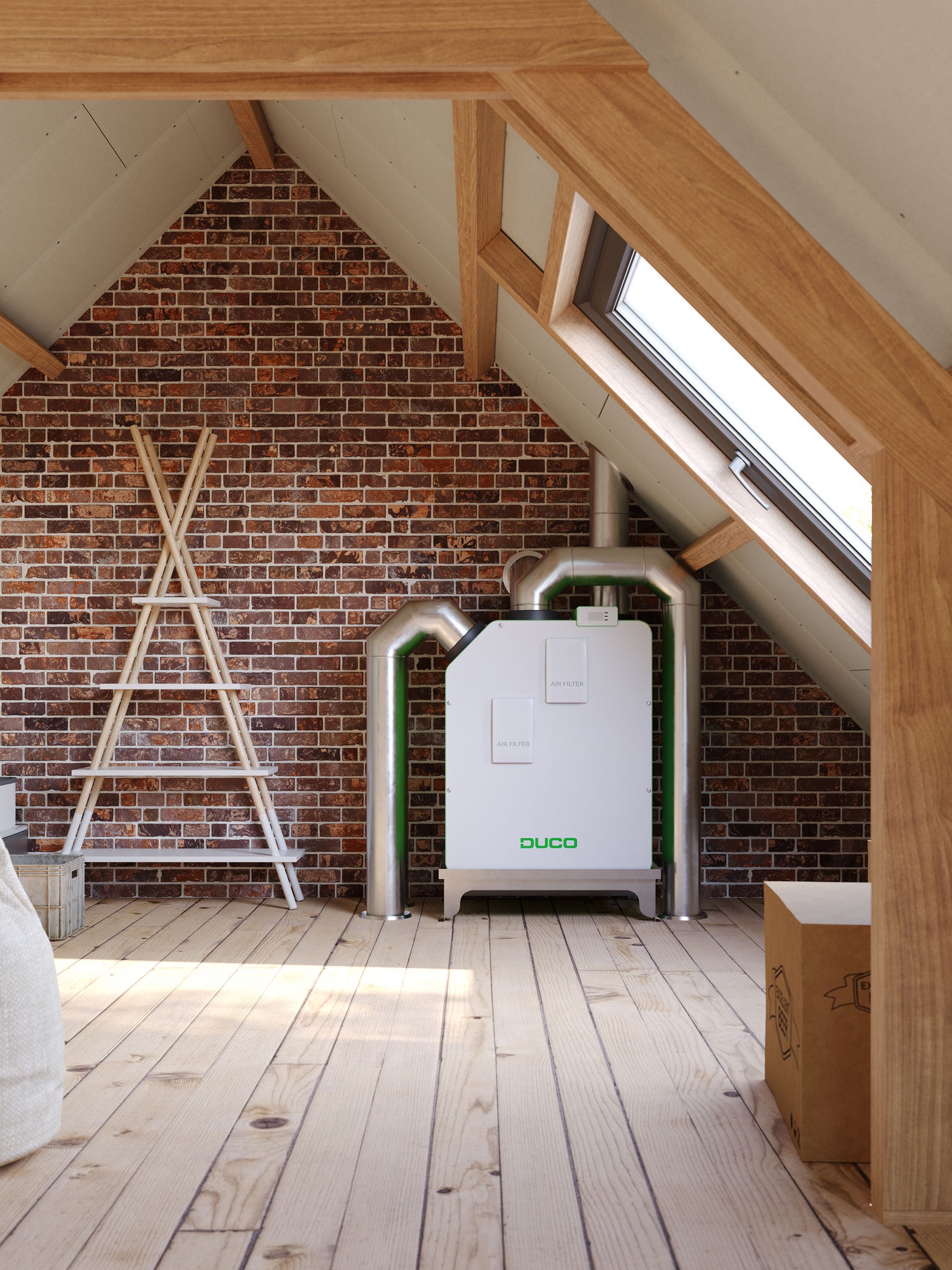
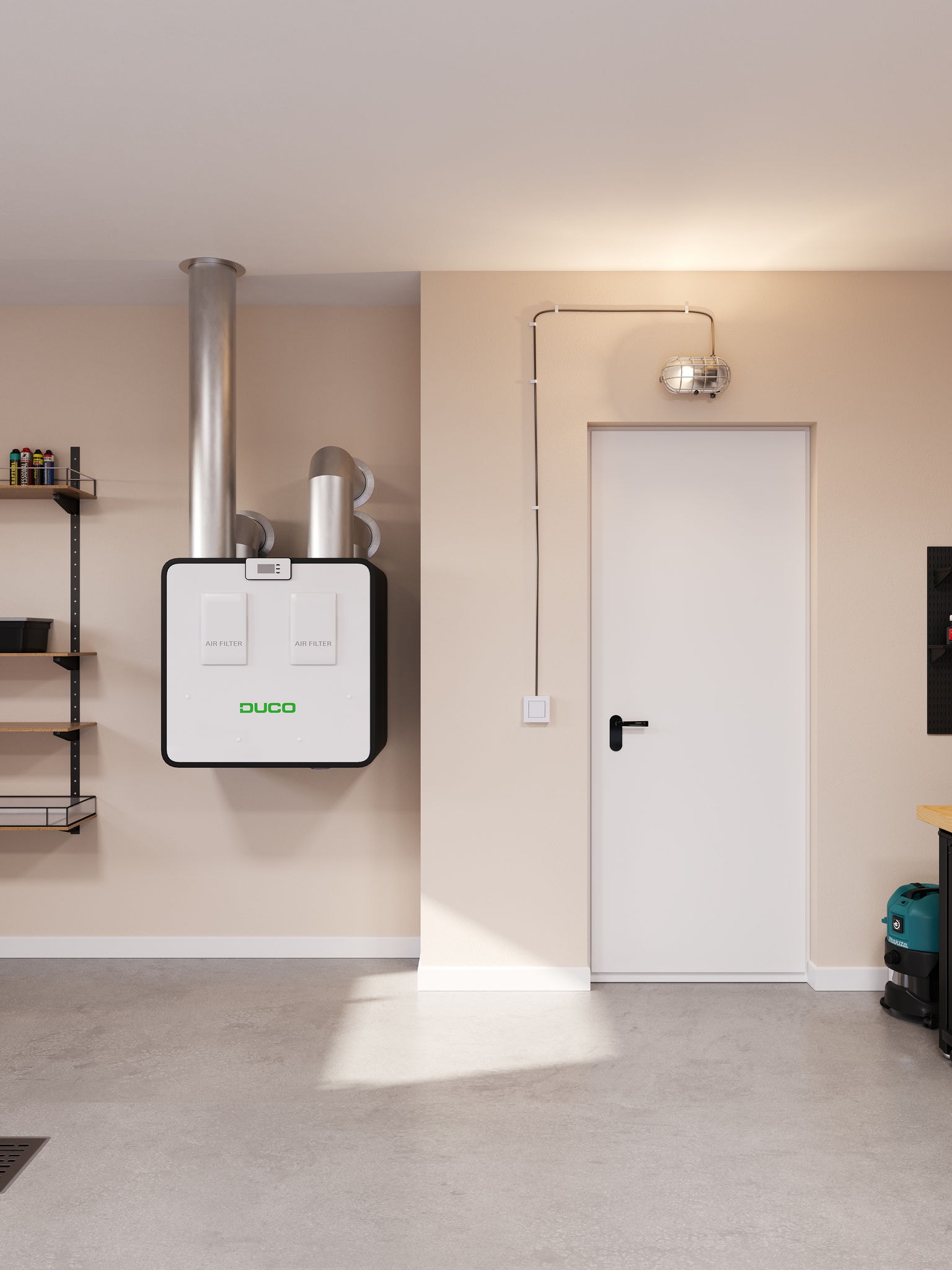
Whole-home ventilation systems provide one of the most effective long-term defences against mould risk by regulating airflow and helping maintain consistent humidity levels. These systems draw fresh air in, expel stale air and filter particulates before circulation.
By keeping humidity in the 30-50% range and promoting constant air exchange, they prevent the damp conditions mould needs to grow. Homes equipped with mechanical ventilation experience fewer mould outbreaks and improved indoor air quality compared to naturally ventilated spaces.
These systems work alongside air purifiers and dehumidifiers to provide comprehensive protection. Modern units integrate into HVAC setups or install as standalone solutions, operating quietly and efficiently.
Conclusion
Air purifiers play a valuable supporting role in capturing airborne mould spores, but they do not address the underlying causes of mould growth. Long-term mould prevention depends on controlling moisture through ventilation, humidity management, cleaning and remediation where needed.
For sensitive individuals, layered solutions can help manage both air quality and environmental conditions. Whole-home ventilation systems provide the most reliable long-term protection by reducing excess humidity and supporting consistent airflow throughout the home.
Key takeaways
- Air purifiers capture airborne mould spores but cannot eliminate mould growing on surfaces or address moisture problems.
- Proper ventilation systems outperform air purifiers by controlling humidity and preventing the damp conditions that enable mould growth.
- HEPA filters effectively trap 99.97% of particles including mould spores, with Daikin's electrostatic HEPA filters lasting 10 years without replacement.
- Combining air purifiers with dehumidifiers and ventilation creates the most effective multi-layered defence against mould.
- Professional remediation is needed for serious mould problems, while air purifiers can help manage airborne spores during and after cleaning.
Looking for a long-term solution to healthier indoor air?