Reduce home allergens: breathe easier every day
Your guide to reducing indoor allergens for long-term relief
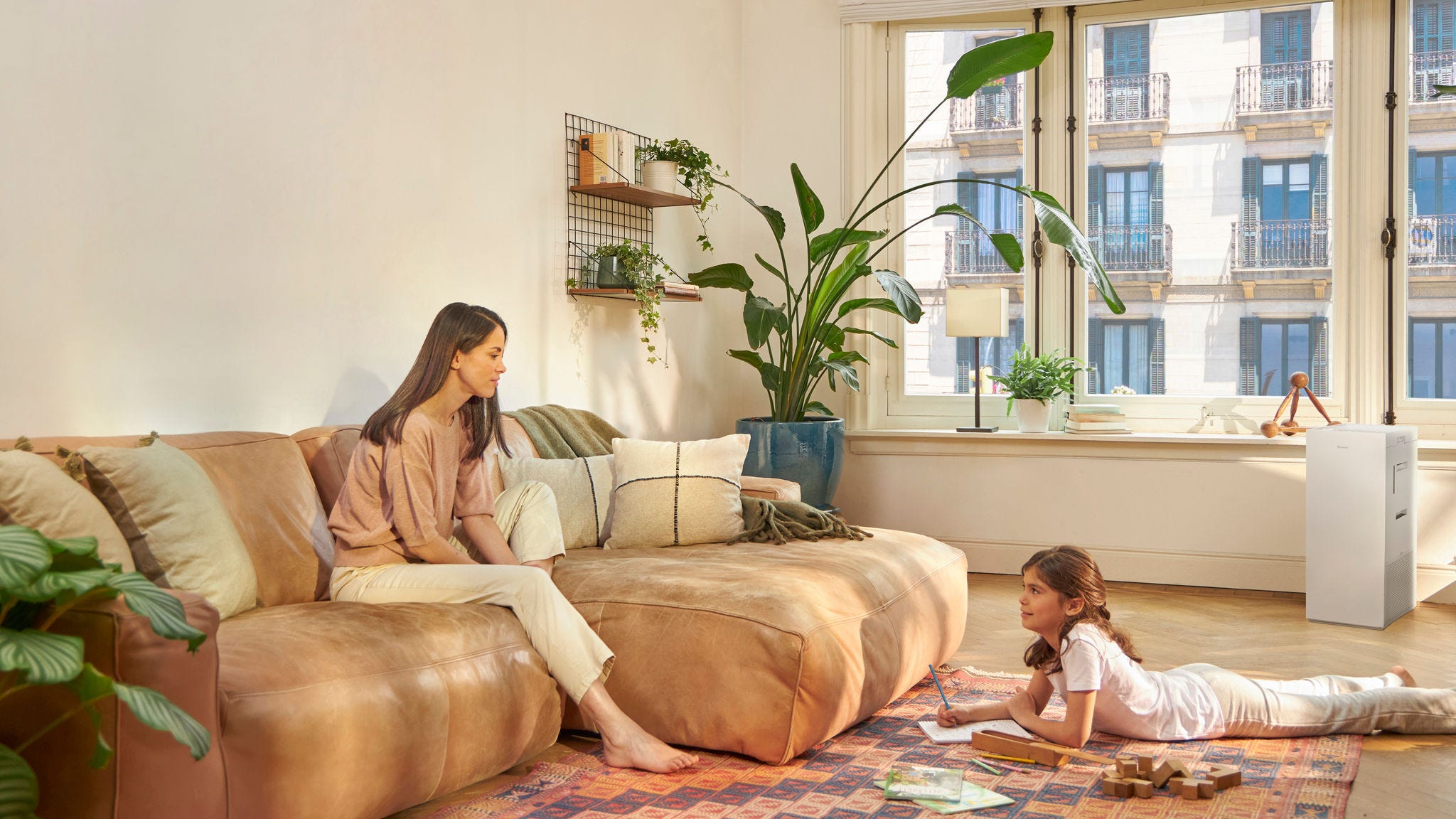
Indoor allergens like dust mites, mould, pet dander, pollen, and house dust can be reduced by a combination of good ventilation, regular air circulation, HEPA vacuuming, removing carpeting, and high-quality filtration. In this article, you’ll learn how to combine different methods and how to reduce common allergy symptoms that provoke immune responses, especially sneezing, nasal congestion, itchy eyes, eczema, and asthma.
Indoor allergens like dust mites, mould, pet dander, pollen, and house dust can be reduced by a combination of good ventilation, regular air circulation, HEPA vacuuming, removing carpeting, and high-quality filtration. In this article, you’ll learn how to combine different methods and how to reduce common allergy symptoms that provoke immune responses, especially sneezing, nasal congestion, itchy eyes, eczema, and asthma.
What are indoor allergens?
Indoor allergens contribute to common allergy symptoms by provoking immune responses - but how do we know when it's an allergy?
Is it an allergy?
Typical symptoms of an allergy can last from weeks to months, without a corresponding temperature, and are often linked to long spells spent indoors.
How does improving indoor air quality help?
When indoor air quality is low, allergens like dust mites, pollen, mould spores, pet dander, and volatile organic compounds (VOCs) accumulate and recirculate. Poor ventilation and filtration allow these particles to stay airborne longer, increasing exposure and triggering allergic reactions more frequently. Clean indoor air is essential for minimising exposure to airborne allergens and pollutants, especially in modern homes that are increasingly airtight.
Maintaining effective ventilation and regular air circulation is crucial for reducing indoor allergens such as dust mites, mould spores, and pollen. By ensuring a constant exchange of indoor and outdoor air, allergens are diluted and removed, significantly lowering their impact on respiratory health. Good ventilation “replaces stale air with fresh, filtered air,” which directly contributes to improved indoor air quality and greater comfort for allergy-sensitive individuals.
Poor air quality can make allergy symptoms significantly worse by irritating the respiratory tract and intensifying the body’s immune response to allergens. Pollutants like ozone, nitrogen dioxide, and particulate matter not only cause inflammation on their own, but they also make the nose more sensitive to airborne allergens like pollen, dust, and mould. This heightened sensitivity means that even low levels of allergens can trigger stronger or more frequent reactions. In effect, air pollution acts as a “booster” for allergic symptoms, making seasonal and indoor allergies harder to manage.
How to handle common allergen culprits?
Dust mites - what to do
Thriving in bedding, sofas, carpets and curtains dust mites can cause morning sneezing, itchy eyes and eczema.
What to do:
- Enclose mattresses and pillows in allergen-impermeable covers
- Use tightly woven cotton or hypoallergenic fabrics for soft furnishings
- Declutter regularly
- Use washable curtains and wash monthly at 60 °C
- Wash bedding weekly at 60 °C
- Vacuum frequently
- Pair regular cleaning with a HEPA-filter air purifier to keep particles from recirculating
Hay fever - what to do
Pollen allergens enter via open windows, clothing and pets.
What to do:
- Monitor local and pollution levels on apps
- Keep windows closed during high pollen periods
- Brush hair before bed to remove pollen and other allergens that can cling to your hair and transfer to your pillow
- Shower nightly
- Wash pets regularly
- Dust daily
- Deep clean every quarter
- Use non-toxic fragrance-free EU Ecolabel cleaning products to reduce allergens
- Use an air purifier to remove pollen
Animal allergies - what to do
Pet dander, particularly from cats, is a leading indoor allergen.
What to do:
- Create pet-free zones (especially bedrooms)
- Bathe and groom pets outside
- Wash hands after handling pets
- Pair regular cleaning with a HEPA-filter air purifier to keep particles from recirculating
Mould - what to do
Damp environments foster dust mite and mould growth which can trigger allergies.
What to do:
- Check mould prone areas; basements, bathrooms, kitchens, attics, laundry rooms, garages, shower areas, vents, bathroom tiles, chimneys, fireplaces, inside wall cavities, windowsills, behind walls
- Measure humidity with a hygrometer and aim for humidity of between 40–50%
- Use white vinegar to clean mould with the appropriate protective clothing
- Improve ventilation
- Repair leaks
Importance of reducing allergens for children and the elderly
Children and the elderly are more susceptible to respiratory conditions owing to reduced lung function and lower immunity, so they have a heightened sensitivity and are more vulnerable to indoor allergens.
Create safe space low allergen zones in bedrooms, nurseries and senior areas, through the use of air purifiers and washable fabrics. Consider also making these areas no-go for pets to minimise allergens being brought in.

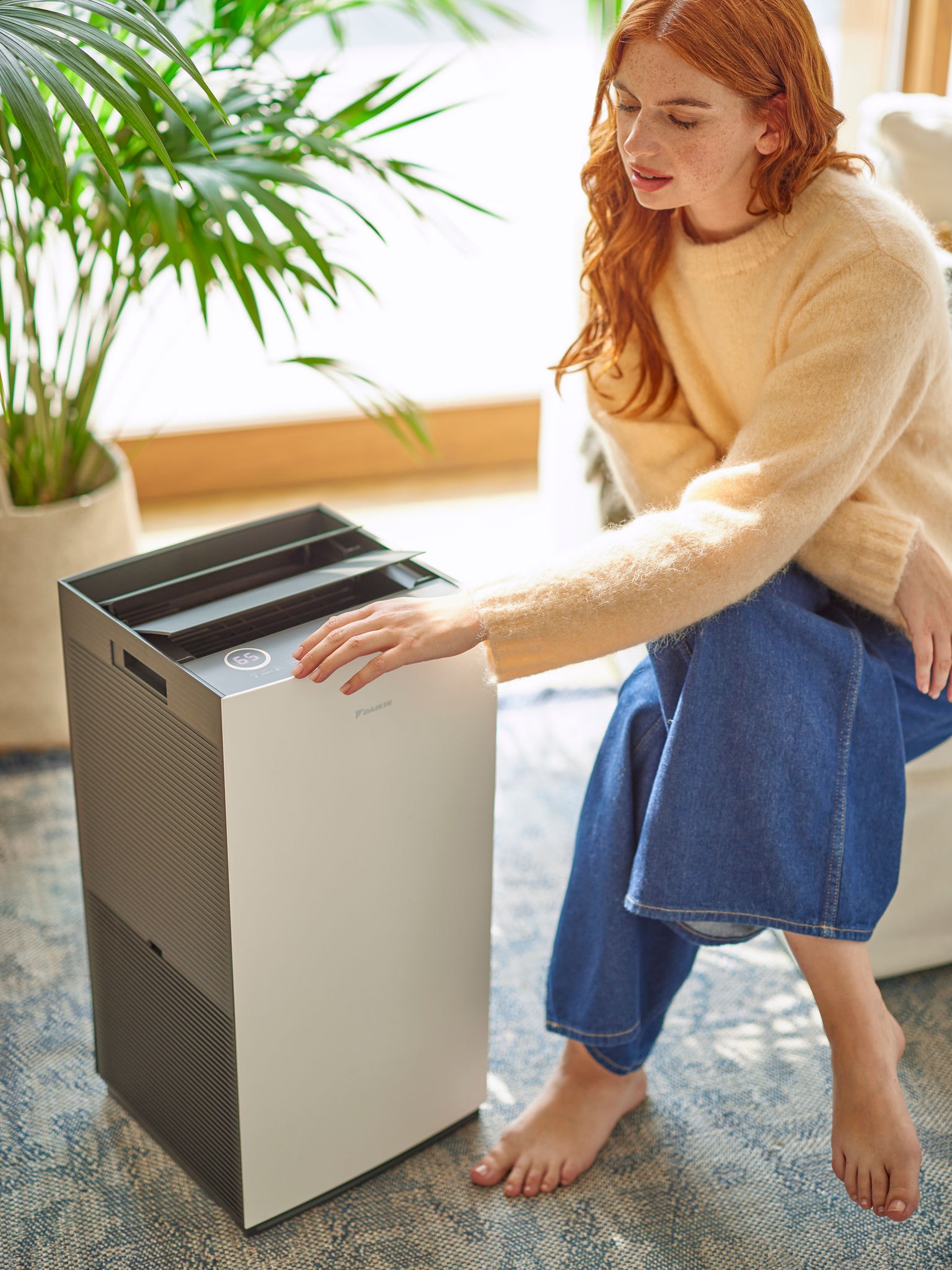
Saline nasal irrigation and natural relief methods against allergies
Allergy control need not mean anti-histamines, as natural relief options are available.
Saline nasal rinses help alleviate allergy symptoms by gently flushing out mucus, allergens, and irritants from the nasal passages. This process reduces nasal congestion, soothes irritated tissues, and helps clear away pollen, dust, and other particles that trigger inflammation and sneezing. According to European allergy health experts, saline irrigation is a safe, drug-free method that supports natural mucous membrane function and provides relief for conditions like allergic rhinitis and sinusitis
To use a neti pot, fill it with a sterile saline solution, tilt your head sideways over a sink, and gently pour the solution into one nostril. The liquid flows through your nasal passages and drains out the other nostril, flushing out mucus and allergens.
For saline sprays, simply spray into each nostril as directed to moisturise and clear nasal passages. Always use distilled or sterilised water and clean your device after each use to prevent infection.
Additional natural remedies for allergies include steam inhalation, supported by HEPA air purification.
Is vacuuming effective against allergies?
For better dust and allergy control, use a vacuum with a HEPA filter to trap fine particles effectively. Vacuum at least once a week, or more often if you have pets. Bagged vacuums are also a smart choice, as they help prevent allergens from escaping when you empty them.
Does carpet worsen allergies compared to hard floors?
Carpet traps dust, pollen, and pet dander, making allergies worse. Hard floors like wood, tile, or vinyl are easier to clean and more allergy-friendly. If you keep rugs, choose natural fibers and vacuum regularly with a HEPA filter. A no-shoes rule and regular pet grooming also help reduce allergens.
Do air purifiers work on allergens?
The simplest device to ensure your home and household enjoys clear, clean air is a an air purifier, with a four-stage filtration system specifically designed to remove allergens like pollen, pet dander, smoke, and dust from the air. The MC55W air purifiers has been tested as allergy friendly by renowned institutions like ECARF and the British Allergy Foundation, and proved effective against respiratory viruses by Institut Pasteur de Lille.
Daikin air purifiers, which purify to a volume of up 82m², comes with both auto mode and pollen mode. The auto mode senses the PM, or Particulate Matter (tiny solid particles and liquid droplets suspended in the air) levels in the room and starts its air purification process accordingly. Anti-pollen mode works by creating a gentle air turbulence in the room. This catches and deals with the pollen before it has a chance to land on the floor of your home.
Place your air purifier in open area with good airflow, near common sources of pollutants like kitchens or entryways with adequate space around the unit for proper circulation.
Can HEPA filters help with air purification?
HEPA filters act as a barrier, preventing dust, pollen, pet dander, mold spores, and other airborne particles from circulating throughout your home. By trapping these pollutants, filters help improve indoor air quality and reduce the presence of allergens and irritants, which can be beneficial for those with allergies or respiratory issues.
The higher the MERV (Minimum Efficiency Reporting Value) rating, the better it filters. For most homes, a MERV rating between 8 and 13 is a good balance of air quality and HVAC system performance. Factors like the presence of pets, allergies, and local air quality should be considered when selecting a MERV rating.
Regular filter maintenance is crucial for maintaining good air quality and HVAC system efficiency. Dirty filters restrict airflow, causing the system to work harder and potentially increasing energy consumption and leading to potential breakdowns. Most manufacturers recommend changing filters every 1-3 months, but this can vary based on factors like the filter type, usage, and environmental conditions. Daikin’s electrostatic HEPA only requires a change every ten years.
How to maintain HEPA filters in your air purifier
Heating systems can spread or trap allergens unless properly filtered, so keep on top of your HVAC servicing and clean vents quarterly. Clean or replace air filters, inspect and clean the outdoor unit and its surroundings, check and clean ducts, and schedule professional maintenance checks. Maintaining proper airflow and ensuring the system is level can also improve efficiency and prevent potential issues.
Conclusion: Creating a healthier, low-allergen home
For people who suffer from allergies, reducing indoor allergens requires a consistent, layered approach. Regular cleaning, good ventilation, and awareness of common allergen sources all play an important role in improving indoor air quality.
Air purifiers with high-efficiency filtration can significantly reduce airborne allergens such as pollen, pet dander and dust, especially when combined with smart habits like HEPA vacuuming, humidity control and proper HVAC maintenance.
If allergy symptoms persist despite these measures, it’s advisable to consult a medical professional or have your HVAC system checked by a qualified specialist to ensure optimal filtration and airflow.
Key takeaways
- Maintaining effective ventilation and regular air circulation is crucial for reducing indoor allergens such as dust mites, mould spores, and pollen.
- An air purifier with four-stage filtration is the easiest way to keep your home free of pollen, pet dander, smoke, and dust.
- Natural relief options such as saline nasal rinses and steam inhalation, supported by HEPA air purification, are also effective.
- For better dust and allergy control, use a vacuum with a HEPA filter and remove carpeting because a hard floor it is more allergy-friendly.