The art of transitioning a Grade 1 listed gallery to a sustainable future
Compton Verney Art Gallery
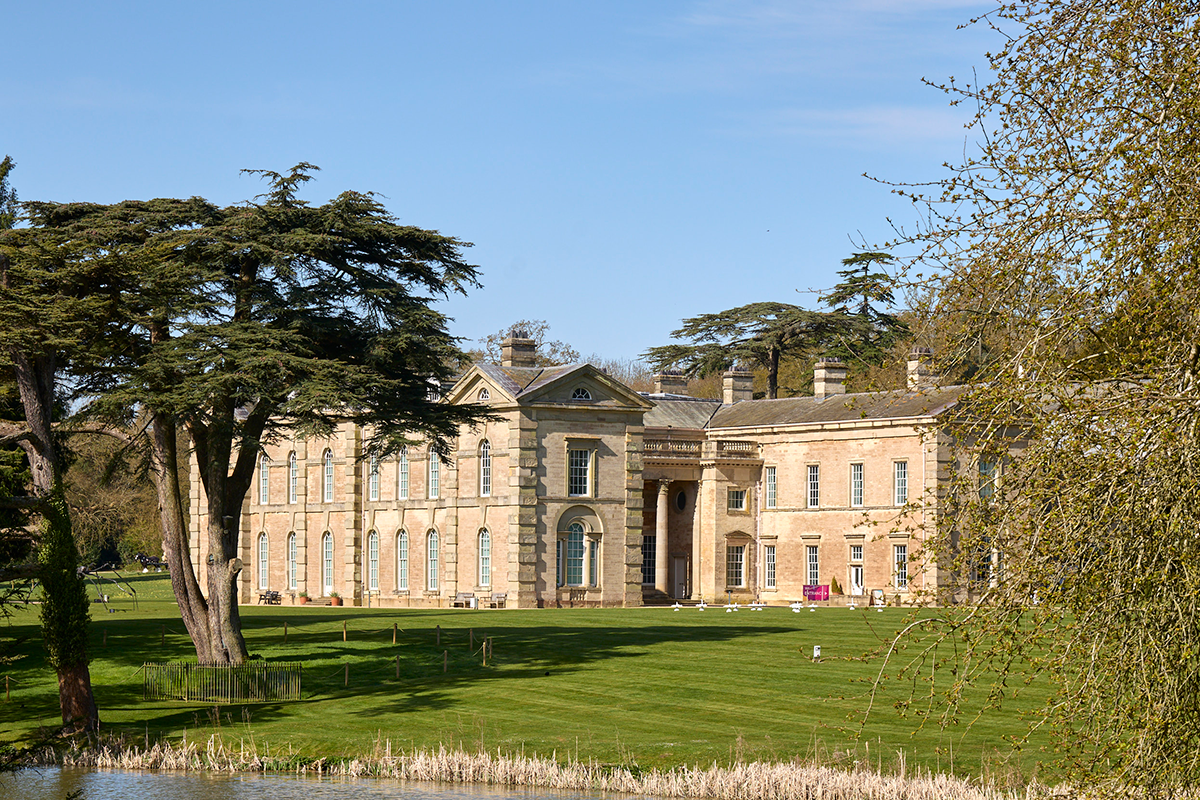
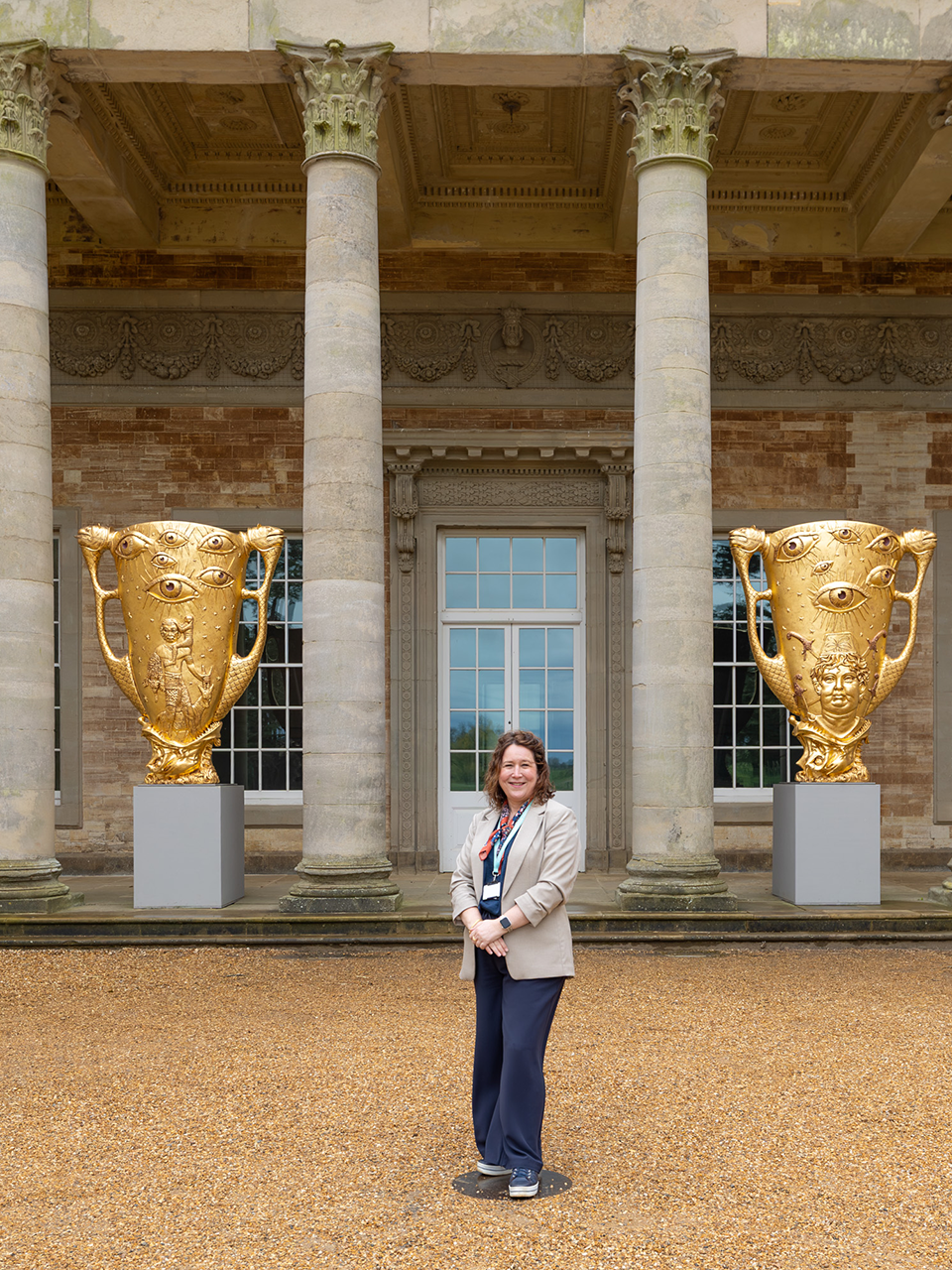
When Compton Verney set out to modernise its ageing mechanical and electrical systems, the goal was clear: improve efficiency, reduce reliance on fossil fuels and future-proof a unique heritage site, set in glorious gardens landscaped by ‘Capability’ Brown. With a mix of historic buildings and a more modern education and office extension, the project required a carefully considered approach - one that balanced performance, sustainability and sensitivity to the site’s Grade 1 listed status.
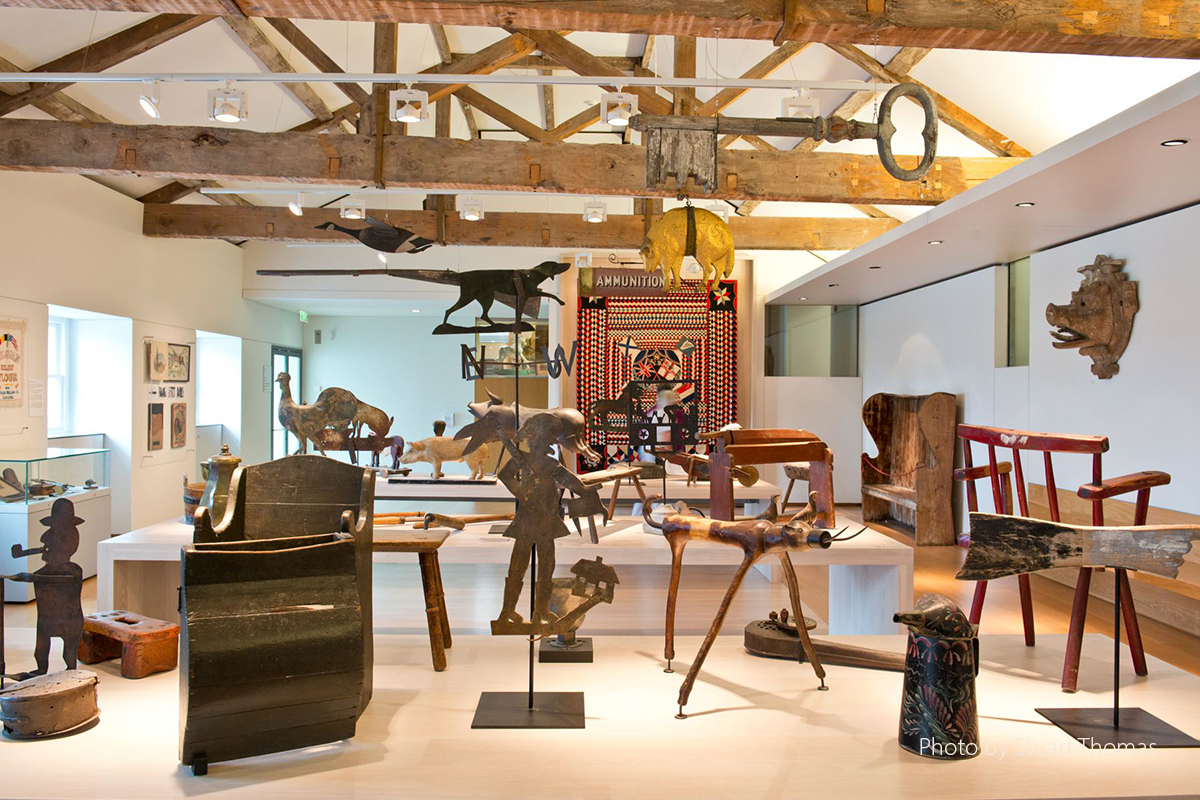
Home to internationally significant art collections and welcoming around 6,000 school children each year, amongst its many other annual visitors, maintaining precise environmental conditions is critical. “Because of the nature and value of the artworks, environmental controls run 24-7,” explains Sharon Taylor, Head of Facilities at Compton Verney. “Temperature and humidity stability are absolutely essential, particularly with loaned pieces where the requirements are very strict."
A phased approach to modernisation
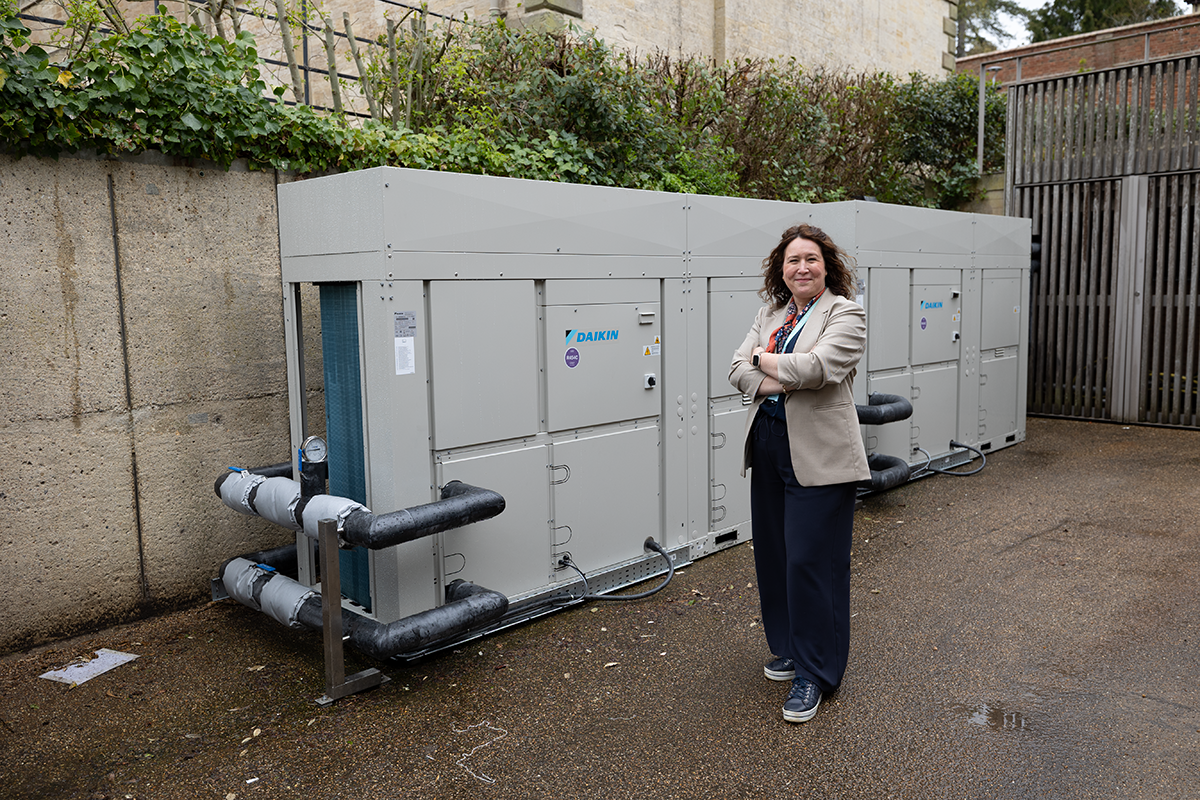
Rather than a single upgrade, the project evolved in three carefully managed stages. The first phase, completed in early 2024, involved replacing an outdated packaged chiller responsible for supplying cooled water to the gallery’s air handling systems. These systems play a vital role in preserving artwork by maintaining consistent humidity and temperature levels.
Due to the Grade I listed status of the building and its proximity to residential properties, strict acoustic requirements added complexity to the installation. “Noise levels had to be incredibly low,” explains installer Josh Feasey of Valley Engineering Limited. “That meant careful selection of equipment and acoustic treatment to ensure compliance without compromising performance."
Daikin’s EWAT~B- reduced sound Multiscroll air cooled packaged chiller was chosen as the most suitable cooling solution installed within an Allaway AA305LSX acoustic enclosure.
Lake-source heat pump
The chiller replacement project was followed by the recommissioning of an existing lake-source heat pump, which had been out of operation for several years. The system uses water from the estate’s lake to provide a renewable source of heat. “It wasn’t the unit itself, but the surrounding systems that needed reconfiguring,” Josh explains. “Once we optimised everything around it, we were able to bring it back online and deliver reliable, efficient heating."
Faith in Daikin and a trusted installation partner
The final phase focused on the education and office building, where two ageing oil-fired boilers - one already beyond repair - were replaced with a modernlow-carbon solution. Having successfully delivered the earlier phases of the project, Valley Engineering were well positioned to recommend and install the new system. The decision to adopt Daikin technology was also influenced by previous success on site. “We’d already had a positive experience with the chiller replacement,” Sharon notes. “So there was confidence in both the equipment and Valley Engineering.”
Thoughtful design and straightforward installation
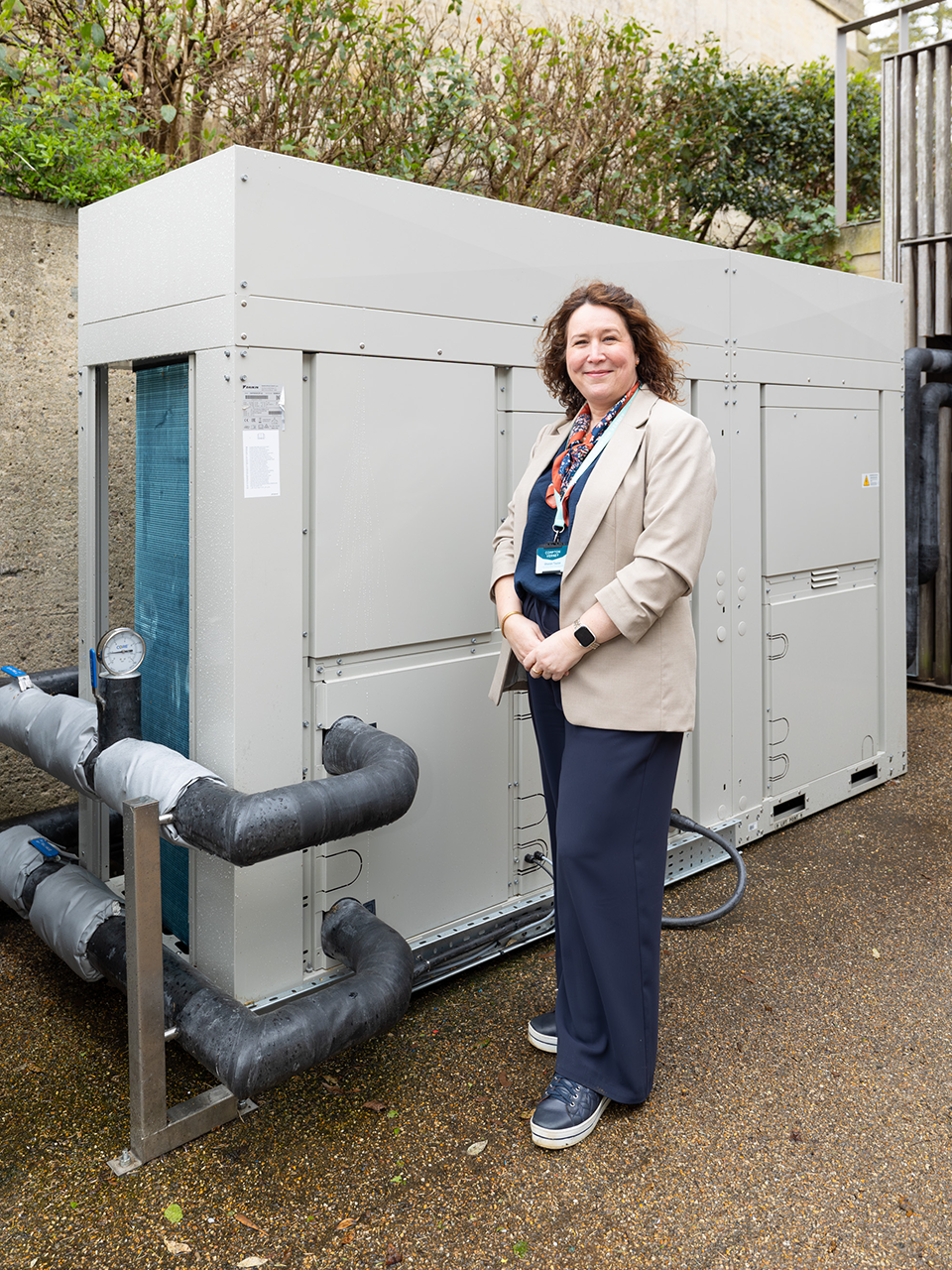
The upgrade involved removing two 50kW oil boilers and replacing them with two Daikin 50kW CZ high-temperature air source heat pumps utilising R-454C refrigerant. Despite the broader project complexities, this phase proved relatively straightforward from an installation perspective. “Once planning permission was secured, it was one of the most straightforward jobs we’ve done in quite a while,” says Josh. “From start through to commissioning, it took around two to three weeks."
The system now serves the education centre - a multi-use space combining offices, classrooms and activity areas for visiting schools. As a high-occupancy environment with varying usage patterns, reliability and responsiveness were key considerations.
Supporting long-term sustainability goals
For Compton Verney, the move to air source heat pumps forms part of a wider sustainability strategy. Following a comprehensive energy audit, the organisation has invested in solar photovoltaic installations, voltage optimisation technology and ongoing improvements to building fabric and controls.
“As a charity, every cost matters,” Sharon explains. “But it’s also about reducing our reliance on fossil fuels and lowering our carbon footprint. Moving away from oil was a key step for us and aligns with our long-term plans.”
While the upfront investment in heat pump technology was significantly higher than simply replacing the oil boilers, the long-term environmental and operational benefits made it the preferred option.
Performance, comfort and early results
Although still in the early stages of operation, the system is already delivering encouraging results. “Most areas are warm and comfortable,” says Sharon. “We’re still fine-tuning some settings, particularly in a large open-plan office space, but that’s part of getting used to a new system.”
Energy monitoring is due to be introduced, with submeters planned to provide more detailed insights into electrical consumption. However, meaningful comparisons - particularly against previous oil usage - will only become clearer after a full winter cycle.
Early signs of significant savings
Earlier upgrades on site have already demonstrated the potential for significant savings. “With the chiller replacement, they saw around a 30% reduction in energy consumption,” Josh notes. “So, there’s every reason to expect strong performance from this new system as well.”
Initial concerns around noise levels have also proven unfounded. “That was something we were mindful of, given the nature of the site,” Sharon adds. “But so far, it hasn’t had any noticeable impact.” Sharon concludes. “This is part of a much bigger journey for us. Compton Verney has made a significant investment in our infrastructure, and while it’s still early days, this is an important step towards a more sustainable and efficient future.”
By combining proven Daikin technology with experienced installation, the Compton Verney project demonstrates how complex heritage environments can successfully transition to low-carbon heating solutions without compromising performance or operational requirements.
"With the chiller replacement, they saw around a 30% reduction in energy consumption. So, there’s every reason to expect strong performance from this new system as well.” Josh Feasey Valley Engineering Limited


Get in touch with an installer
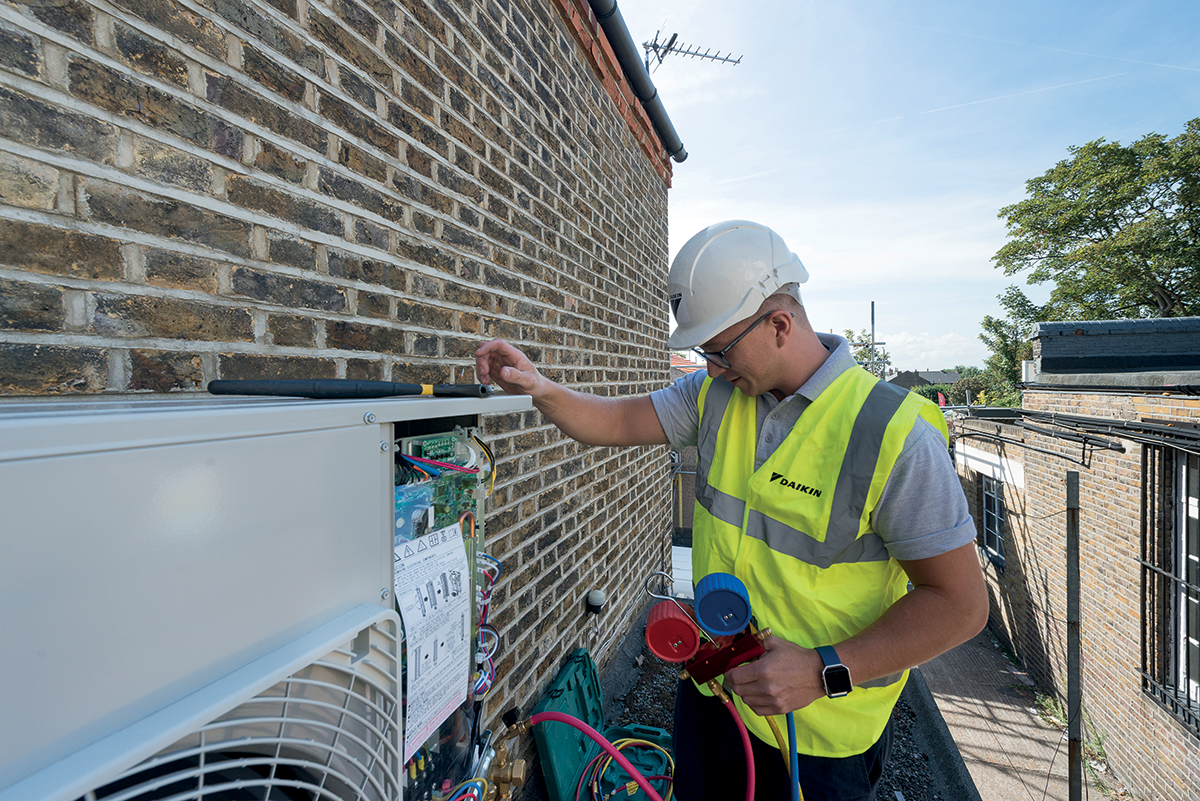
Daikin has a nationwide network of independent installers, who are experts in installing Daikin systems.