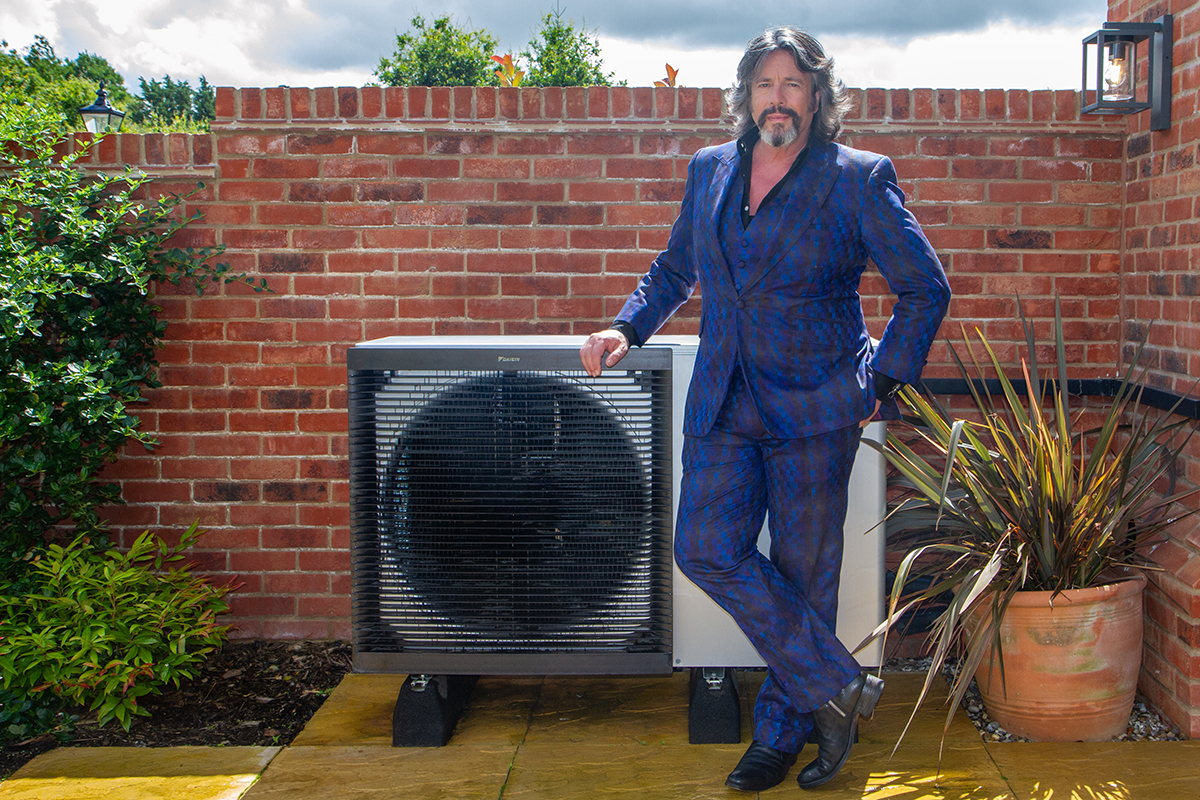
People are spending more money on their homes than ever before as they sacrifice other 'luxuries' like eating out and new cars
28.04.26
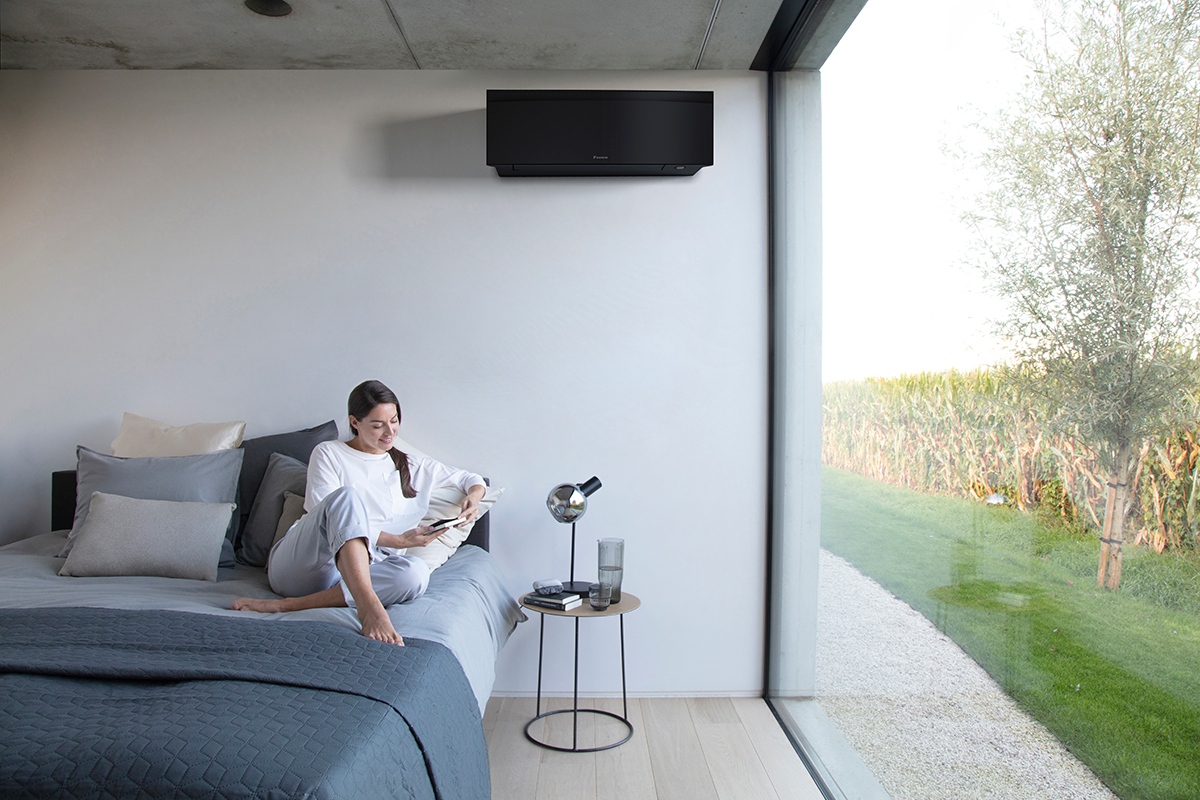
A poll of 2,000 homeowners found that, despite concerns around the economy, average spending has increased to £3,140 per year on home improvements – up from £2,870 in 2024.
And nearly a third (30%) plan to spend more again on home improvements in 2026 than they did last year, with homeowners sacrificing holiday plans (24%) and buying a new car (14%) in favour of renovations.
Two thirds (67%) are shifting focus – and their finances - to home improvement to prioritise comfort, while 32% want more control over their energy bills.
With 22% worried about energy security, and 32% often concerned about price volatility of gas and electricity.
The poll, commissioned by heat pump manufacturer Daikin, also found 63% consider investing in energy efficiency to be very important to them, to ‘futureproof’ their home against price volatility.
In fact, 55% of homeowners believe making their property more energy efficient would increase its resale value, with 43% making these changes to attract future buyers, despite not even having plans to move soon.
And 47% said alternative energy sources like heat pumps and solar panels would be good investments for their future.
Lucy Gaby, residential marketing manager from Daikin said: “Most people spend the majority of their time at home, so it is imperative to make it a comfortable and relaxing space throughout the seasons, to cope with all conditions - from heatwaves to cold snaps.
“We’re seeing a clear shift in priorities, with homeowners increasingly willing to invest in their living environment rather than more traditional luxuries. This trend towards prioritising home improvements reflects a desire for security, wellbeing and long-term value.
“Recent increases to Government support, including grants of up to £9,000 through the Boiler Upgrade Scheme, are important in making such options more accessible.
“This is in line with policies like the Future Homes Standard that are setting a clear direction for the future of housing, with new homes expected to be built around low-carbon heating and much higher energy efficiency standards.
“Creating an energy-efficient home not only boosts comfort but also helps manage rising energy costs and improve energy security. For those looking to take more control, starting with a heat pump and improving insulation can make a real difference. Speaking to a qualified installer is a good first step.”
The research also found that others considered improving insulation (35%), draught-proofing doors and windows (27%) and double or triple glazing (25%) among their top priorities.
But 14% had already added alternative energy options to their home.
And for 79% of those who have undergone work, the desire for uninterrupted availability of energy, or energy security was the deciding factor.
More than a quarter (27%) ranked saving for retirement lower than household updates (36%).
While 39% said they would be willing to put off any major life purchase to invest in their property.
The research, carried out via OnePoll, found that when buying in the future, 46% would opt for an energy efficient home over just 7% who would choose a property in need of these updates.
Almost half (44%) even went as far as to say they would pay more for a low-energy consumption home.
Lucy Gaby from Daikin, which will be at Grand Designs Live this weekend, added: “With fluctuations in weather conditions alongside energy price volatility, it’s no surprise that future-proofing our homes is now top of mind for most of us.