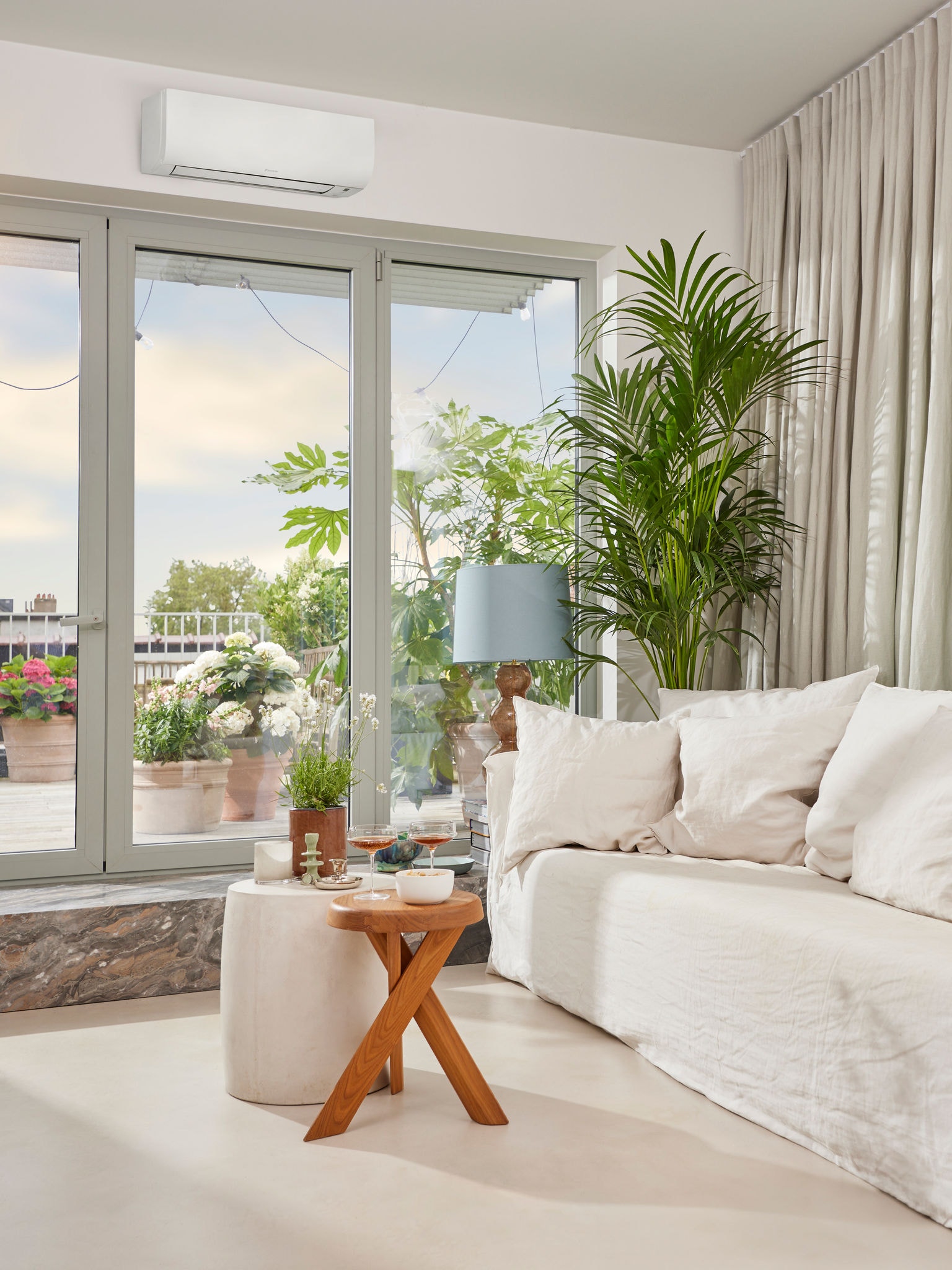
Is air conditioning bad for your health? Myth vs. science
It’s time to shift the conversation from speculation to scientific fact

As homes become more insulated and energy efficient, indoor air quality is becoming a key health priority. According to a 2022 WHO report, over 90% of people worldwide breathe air that exceeds pollution limits - much of it indoors. Air conditioning (AC), also known as an air-to-air heat pump, is no longer just about cooling during hot months, but about controlling indoor climates with draught-free airflow and air filtration to support year-round comfort and wellbeing.
How modern air conditioning supports health
For decades, the question “Is air conditioning bad for your health?” has circulated in both popular media and consumer discussions, rooted in outdated systems and anecdotal complaints. However, modern systems are engineered not just for thermal comfort but for active air quality management, supporting human health through purification, and filtration. At Daikin, for example, we use cutting-edge innovations like Flash Streamer technology that decomposes allergens and harmful chemicals, helping to eliminate pollutants such as pollen, fungal allergens, mould and even odours.
Today’s most sophisticated units don’t just respond to temperature—they “read the room,” adjusting airflow direction in real time. The question is no longer “Is air conditioning bad?”—it’s “How can air conditioning improve your health?”
Beyond summer: Year-round comfort
An air-to-air heat pump isn’t just a summer essential. It also offers heating features in winter. Smart technology adjusts output based on room needs, which is particularly helpful in spring or autumn when the weather fluctuates unpredictably. Additionally, many modern units include built-in air filtration, that works 365 days-a-year to trap airborne particles such as pollen, pet dander, and dust. AC is fast becoming an all-season essential for holistic well-being.
Beyond cooling: What air conditioning really does
Contrary to common belief, an air-to-air heat pump is not limited to the emission of cold air. It is, in fact, a two-pronged system for thermal regulation, and air purification. Effective air conditioning systems monitor and adapt these factors to ensure consistent indoor climates, which are crucial for everything from sleep quality to productivity and even mental health. Studies have shown that offices with proper climate control see an increase in productivity and fewer reports of fatigue or headaches among staff. This is particularly relevant today, as more people are working remotely and many children study from home. In effect, the home has become a multi-purpose environment—serving as an office, classroom, and living space
In modern residential systems, air quality has become as important as temperature control. Daikin units, for instance, include Flash Streamer technology that uses electrons to trigger chemical reactions with airborne particles. This helps break down allergens such as pollen and fungal contaminants, including mould spores, while also removing bothersome odours to create a cleaner indoor environment.
Another overlooked advantage is that AC can improve sleep. Multiple studies have found that room temperature has a direct correlation with sleep quality, with 18–20°C identified as the optimal range. Smart air conditioning units with programmable timers and sensors help maintain this ideal window throughout the night. For older adults this can reduce the number of times that they wake up during the night.
Cooling can also reduce some humidity as a by- product. Hence why there is condensate built up when AC provide cooling during summer.
Debunking the myth of “air-conditioning disease”
The myth of “air-conditioning disease” probably originates from poorly maintained systems in the late 20th century, that were often installed without proper ventilation or filtration, leading to symptoms like dry eyes, throat irritation, and in rare cases, outbreaks of Legionnaires’ disease in commercial buildings.
Modern systems are fundamentally different. Today's air conditioners are designed with multi-stage filtration and auto-clean functions.
Cold air doesn't make you ill
Furthermore, the notion that air conditioning must blow freezing air to be effective is a long-standing myth. Today’s top systems are engineered to cool rooms gradually and evenly, avoiding the sudden “cold shock” associated with older units. Improper use, such as setting temperatures too low, can cause discomfort or even light illness, especially in poorly ventilated spaces. Modern units integrate programmable thermostats, thermal sensors, and controlled airflow, that ensure ambient, not aggressive, cooling.
Daikin air-to-air heat pumps feature many sensors and functions that direct airflow exactly where it is needed. For example the intelligent thermal sensor in Daikin Emura and Stylish divides the room into 64 different parts and intelligently examines the temperature difference which leads to detecting the temperature difference and directing airflow where needed. The two-area motion detect human presence and divert airflow away. This means that with a Daikin air-to-air heat pump, you can always be assured that you experience the most comfortable climate.
Additionally, modern units run whisper-quiet, eliminating one of the common complaints from older systems. Systems with self-cleaning coils, anti-microbial ducts, and real-time diagnostics now require only periodic servicing to remain hygienic.
Air conditioning and everyday wellbeing
Air conditioning and respiratory health
Modern air conditioners do far more than cool the air, they help clean it. For people with asthma, allergies, or other respiratory sensitivities, this is a real game-changer. By preventing indoor pollutants from building up, air conditioners create a breathing environment that is more stable and less reactive for sensitive individuals.
No more cold draughts
One of the most common complaints about traditional air-to-air heat pumps is the sensation of cold air blowing directly onto the body. These “cold draughts” often cause discomfort, dry skin, or neck and muscle tension. Leading manufacturers have invested heavily in redesigning airflow to eliminate these discomforts. For example, our Coanda airflow technology1, which uses specially designed vanes in the unit to distribute air along walls or ceilings rather than directing it toward occupants.
1The Coanda Effect is a principle borrowed from aerodynamics and refers to the natural tendency of air to cling to surfaces like walls or ceilings. Rather than blowing cold air directly at occupants, some systems use this effect to evenly distribute air, creating a more natural and comfortable environment and an enhanced user experience.
3D and 2D airflow for customised comfort
To meet the diverse needs of modern interiors, from compact bedrooms to open-plan living areas, advanced air conditioners now come with 2D and 3D airflow systems. In Daikin units, 2D airflow allows for vertical and horizontal swing movements, while 3D airflow combines these motions in a coordinated cycle to deliver truly omnidirectional air distribution. These features are particularly useful in large or oddly shaped rooms and, for people sensitive to cold air, being able to programme the flow direction away from seating or sleeping areas is a game-changer.
Smart thermal sensors for human-centric cooling
Smart thermal sensors are transforming air-to-air heat pumps into a truly human-centric technology. They monitor body heat, room occupancy, and even movement, allowing systems to adjust heating or cooling in real time. Our systems use intelligent thermal sensors, visualised by the Daikin eye, to track human presence and temperature differences in the room. When no one is detected for 20 minutes, the unit switches to energy-saving mode; when someone enters, it readjusts to optimal comfort. Responsible cooling practices are key to reducing complaints of “AC fatigue” and headaches often caused by abrupt temperature drops. In residential settings, these systems can learn user patterns and pre-cool rooms in anticipation of use, merging convenience with energy efficiency.
Clean air, always: Built-in filtration benefits
Daikin’s air-to-air heat pumps are equipped with advanced air purification technologies designed to ensure superior indoor air quality.
- At the core is the patented Flash Streamer technology, that uses electrons to trigger chemical reactions that break down harmful airborne substances such as pollen, fungal allergens, and unpleasant odours, converting them into harmless atoms and water molecules.
Complementing this are other filters:
- The Titanium Apatite Deodorising Filter neutralises odours and captures allergens
- The Static Filter, treated with static electricity, captures dust efficiently
- The basic Air Filter removes airborne dust.
Together, these components create a cleaner, healthier indoor environment—though it's important to note that Flash Streamer technology is not intended for medical use.
Sleep better with stable, clean cooling
The connection between temperature and sleep is well-documented: cooler environments promote the onset of deeper, more restorative sleep cycles. Research suggests that the ideal sleeping temperature lies between 18–20°C. Modern air conditioners can maintain this range with precision using smart thermostats and automatic night modes.
Beyond temperature control, airflow quality matters. Uneven cooling or sudden draughts can trigger micro-awakenings, reducing sleep efficiency and increasing next-day fatigue, so having a quiet, clean, and thermally stable bedroom is a key part of overall health.
Air conditioning can lead to enhanced focus and productivity
Research shows that when indoor temperatures are too hot or too cold, cognitive performance drops by up to 13%, and fatigue increases significantly. An air-to-air heat pump, when properly managed, can play a direct role in enhancing concentration, focus, and mental clarity.
Modern systems go one step further by offering personalised climate control, using intelligent sensors to adjust temperature and airflow automatically based on movement and heat detection. Additionally, quieter operation reduces auditory distractions that can affect focus.

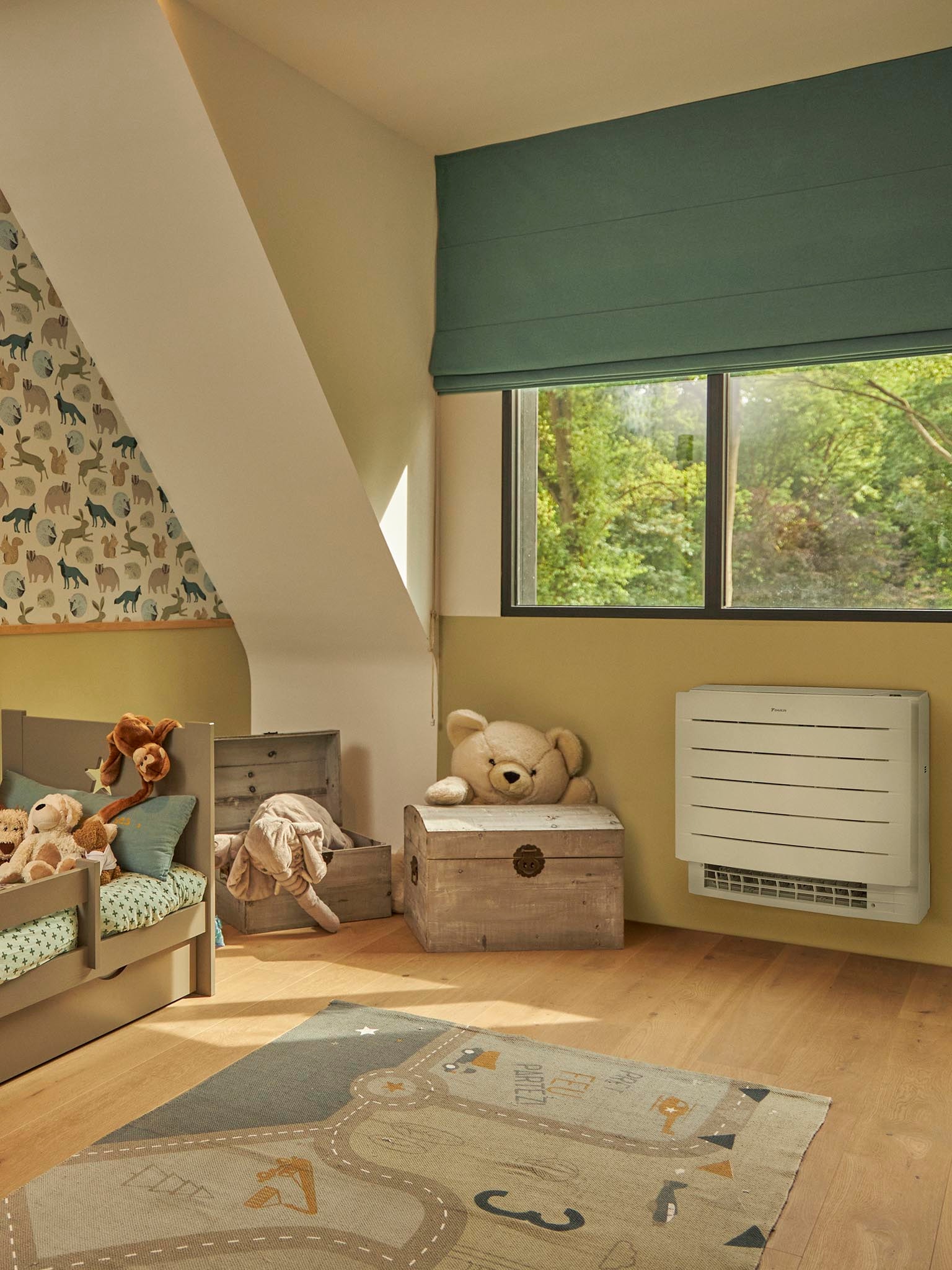
Energy efficiency and environmental health
Today’s best air conditioning systems are designed with both comfort and sustainability in mind. In particular, inverter technology can reduce energy consumption by up to 30% compared to traditional systems, lowering bills and reducing the environmental footprint of indoor climate control.
Smart thermostats and occupancy sensors help prevent overcooling - one of the most common sources of unnecessary energy consumption in older buildings. Additionally, the use of eco-friendly refrigerants, such as R-32, further reduces the global warming potential (GWP) of these systems. Some models even allow integration with renewable energy setups, such as solar panels.
Avoiding the pitfalls: Maintenance matters
Air-to-air heat pumps, when poorly maintained, have been linked to respiratory discomfort, musty smells, or even bacterial contamination. Most issues arise from neglected maintenance, particularly dirty filters and moisture build-up in ducts or drip trays. Filters should be cleaned every two weeks in heavy-use months and replaced as per manufacturer guidelines.
These simple steps ensure homeowners can enjoy healthier indoor environments at a lower cost and with reduced environmental impact.
Why air conditioning matters most for kids and the elderly
Children and older adults are among the most vulnerable to temperature extremes and poor indoor air quality. Advanced filtration technology removes allergens, bacteria, and dust, improving respiratory health for users with asthma, weakened immunity, or sensitive lungs. Maintaining a consistent room temperature, ideally between 20–22°C for daytime and 18-20°C for sleep, is especially important for infants and elderly individuals.
Designing comfort-led, wellness-centred homes
The integration of air-to-air heat pumps into health-first architecture is part of a broader movement toward wellness-centred design. To create balanced and self-regulating environments, the systems need to be increasingly integrated with air quality monitors, humidity sensors, and home automation. This allows homeowners to maintain healthy levels of temperature, humidity, and purification 24/7, without manual adjustments or guesswork.
Smart air conditioners can work in tandem with other wellness technologies, like circadian lighting, aromatherapy, or noise control, to create rooms that reduce stress and support healing. Bedrooms, meditation spaces, and home offices benefit from cooling technologies that eliminate allergens, stabilise temperature, and encourage focus or rest.
Maintenance is key
The most common problems arise from poor maintenance, such as dirty filters, clogged vents, or settings that push temperatures to extremes. Fortunately, these issues are easily avoided.
Air conditioning is a wellness tool, not a health risk
Modern air-to-air heat pumps are no longer just about staying cool - it’s about living well. The latest systems are designed around human health, offering features like draught-free airflow, air purification, and thermal sensors that respond to real-time movement and body heat.
When paired with smart connectivity, these systems enhance daily routines—supporting better sleep, greater focus, and even emotional calm. For instance, maintaining optimal temperature can reduce irritability and fatigue, boosting productivity and mood. This aligns with a broader shift in public perception: AC is no longer viewed as a luxury, but as a device that improves your overall lifestyle comfort.
Modern air conditioning: a health-focused solution
Air-to-air heat pumps, when designed and used correctly, support health, comfort and wellbeing. Today’s systems focus on draught-free airflow, air purification and intelligent temperature control, helping to dispel long-standing myths around air conditioning and health.
Modern air conditioning is no longer just about cooling—it’s about creating stable, clean and comfortable indoor environments that support better sleep, focus and everyday comfort. With proper sizing, responsible settings and regular maintenance, air conditioning becomes a wellness tool rather than a health risk.
Key takeaways
Modern air conditioning supports indoor air quality through filtration and purification
Draught-free airflow and smart sensors improve comfort and reduce discomfort
Stable temperatures support sleep quality, focus and wellbeing
Poor experiences are usually linked to misuse or lack of maintenance, not the technology itself