Understanding heat pump comparison tables
Seven things comparison tables don't tell you about choosing the right heat pump for your home
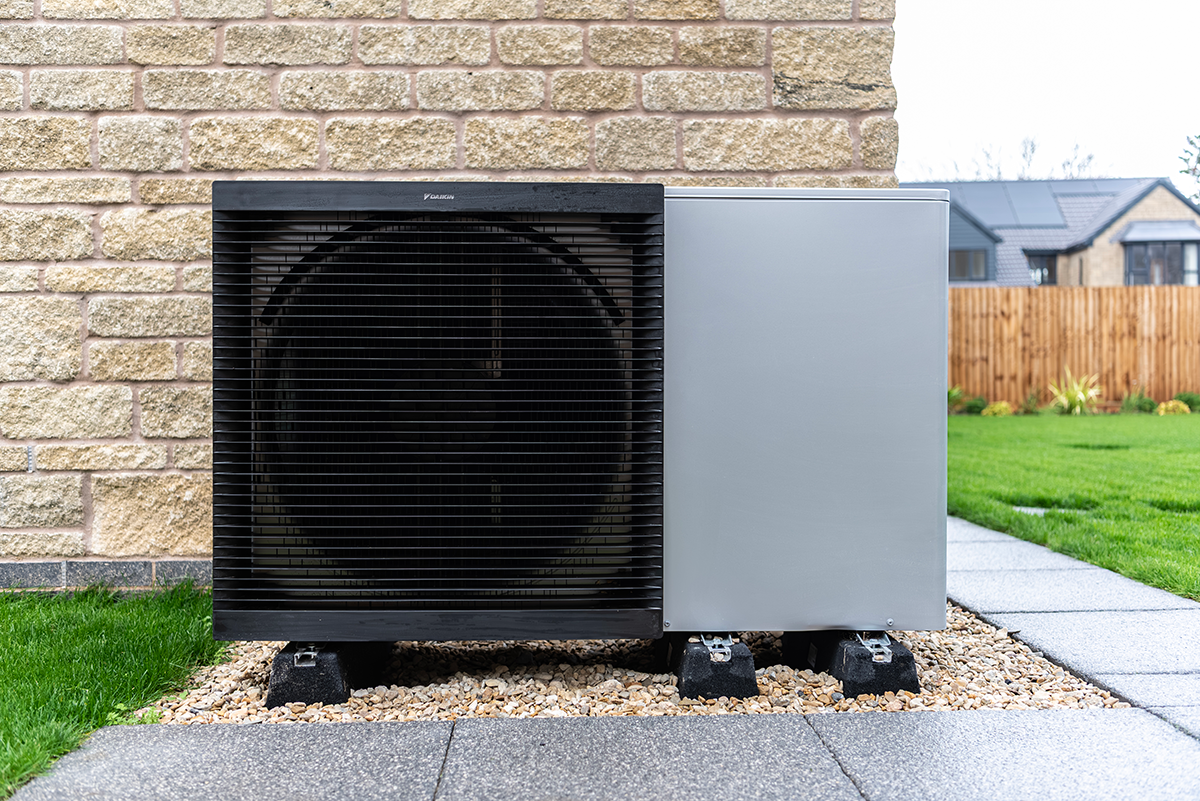
Choosing a heat pump involves more than selecting the product with the highest score in a comparison table. Efficiency, sound, warranty and controls all matter, but they need to be considered alongside the property, the system design and the quality of the installation.
The October 2026 edition of Which? compared popular air-to-water heat pumps from ten manufacturers, including the Daikin Altherma 3 M. Each manufacturer supplied details of one model, close to 8 kW, from its most popular range, scored out of 15 points across eight criteria: product range, warranty, efficiency, performance guarantee, refrigerant, app monitoring, sound and installer network.
This is a useful starting point, but a score built from one model and eight weighted criteria can't tell you which heat pump, or which type of heat pump, is right for your home. Warranty length alone carried up to five of the 15 points, more than efficiency, sound and refrigerant combined.
It's also worth understanding the types of heat pump available. Air-to-water heat pumps, the type Which? assessed, provide heating and hot water through a wet central heating system. Air-to-air heat pumps heat rooms by circulating warm air and can also cool them, an option the comparison didn't cover.
At Daikin, we recommend looking at the complete system, not a single model against a fixed set of criteria. These seven steps cover the same ground as the Which? comparison, plus the wider factors that determine how a heat pump performs in your home.
1. Start with your home
Every home has different heating, cooling and hot water needs. Which? assessed one model, of one capacity, from each manufacturer, but the right heat pump depends on the property, not on which model a magazine feature happened to compare.
The property's size, age, construction, insulation, occupancy and existing heating system all influence the right capacity and design. A qualified installer should complete a room-by-room heat-loss calculation, covering heat emitters, hot water demand, available space and cooling requirements, before any model is chosen.
The Daikin approach
Daikin offers air-to-water and air-to-air heat pumps, giving homeowners options for heating, hot water and cooling.
The Altherma portfolio includes low, mid and high-temperature air-to-water systems from 4 kW upwards, with ongoing investment in new technology as the range develops. Daikin's air-to-air range provides efficient heating and cooling, while Daikin Multi+ connects several indoor units and a hot water tank to one outdoor unit. A Daikin-trained installer can recommend a system from across this range, rather than a single representative model.
2. Compare efficiency on the same basis
Efficiency is commonly measured through COP (coefficient of performance) and SCOP (seasonal coefficient of performance). Which? compared SCOP at 35°C and 55°C flow temperatures, awarding one point based on this figure.
That single point doesn't tell the whole story. Heat pumps are tested at two flow temperatures, 35°C, suited to underfloor heating, and 55°C, suited to radiators, and always show a higher SCOP at the lower temperature. The figure that matters is the one that matches your own heating system, not simply the highest number on a spec sheet. Outdoor conditions, heat emitters, controls and system design all affect real-world performance, so even the right SCOP figure is a starting point, not a guarantee.
The Daikin approach
Daikin publishes performance information under defined operating conditions, helping installers assess how different heat pumps could perform within a proposed system.
Rather than relying on one efficiency figure, a Daikin-trained installer considers the required flow temperature, heat emitters, outdoor design conditions and overall heating requirement together. With low, mid and high-temperature systems across the Altherma portfolio, installers can match the product to the property's design, rather than the other way round.
3. Look beyond a single sound score
Sound was scored out of two points based on a published figure for each model, but sound is more nuanced than one number suggests.
Sound power describes the energy a unit emits; sound pressure describes what's measured at a specific position and distance. The two aren't interchangeable, and a published figure won't tell you how a heat pump will sound in your garden or against your neighbour's wall. Installation matters as much as the product: the outdoor unit's position, distance from nearby properties and surrounding surfaces all affect what you'll actually hear.
The Daikin approach
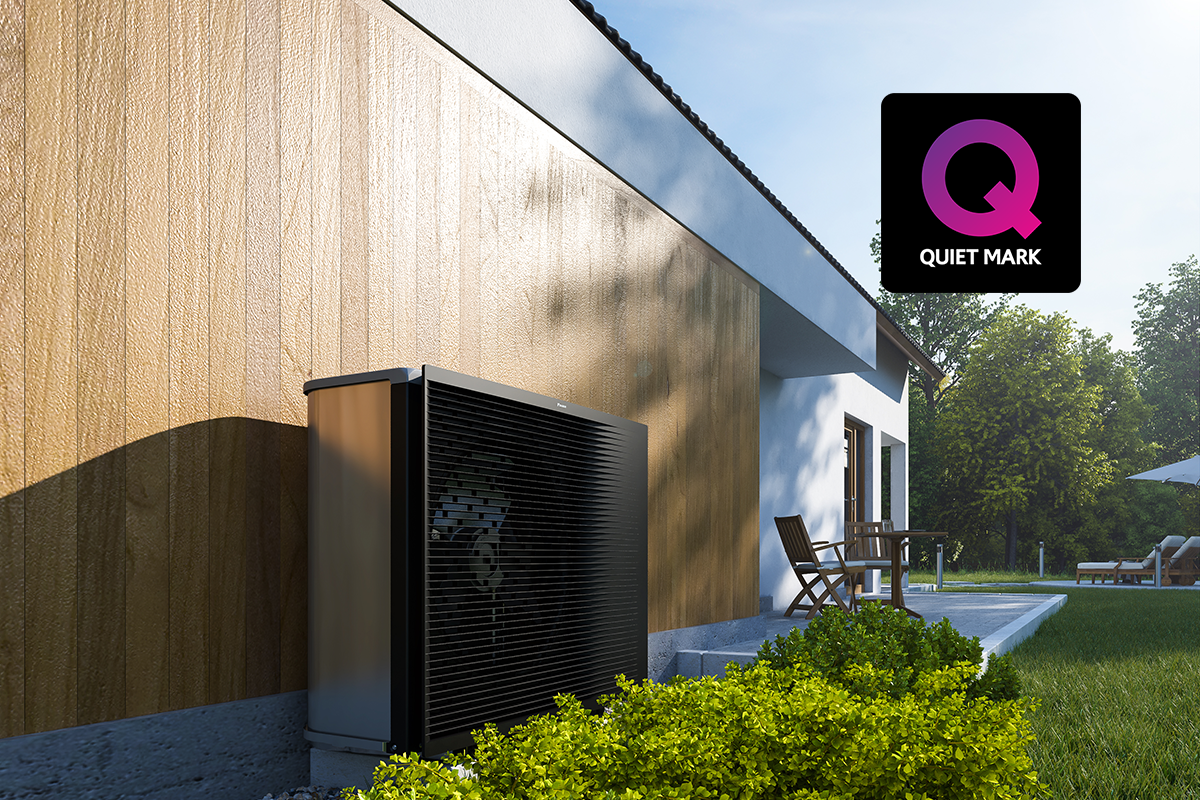
Daikin offers independently certified options across its portfolio. The Altherma 3 H HT and Daikin Multi+ have both received Quiet Mark certification, following independent acoustic assessment and laboratory testing separate from any manufacturer's own figures.
Product selection is only part of managing sound. A Daikin-trained installer will also consider the outdoor unit's position and surroundings, so certified performance is matched by sensible installation.
4. Understand what the warranty actually covers
Warranty was the most heavily weighted criterion, worth up to five of the 15 points, more than efficiency, sound and refrigerant combined. That reflects genuine homeowner concern about newer technology, but length alone doesn't say what's covered, who provides it, or what keeps it valid.
Check whether parts and labour are included, whether registration or professional installation is required, and what happens if something goes wrong. These conditions matter more day to day than the headline number of years.
The Daikin approach
Daikin heat pumps come with a warranty as standard, which can be extended free of charge once the installer has registered the system with Daikin. A further extension may also be available, depending on the installer's accreditation.
Specific terms and conditions apply, including annual servicing requirements to keep the warranty valid, so it's worth asking your installer to confirm exactly what cover applies to your system.
5. Make the most of smart controls
Which? scored whether a manufacturer offered a free app, worth one point out of 15. That single tick doesn't reflect what the app actually lets you do, which varies considerably between products, and a basic app isn't the same as one that genuinely helps you manage your heating.
Look for remote control, heating and hot water schedules, energy-use information, room-by-room control, and voice assistant support. It's also worth asking how easy the app is to set up and use day to day, since a feature-packed app that's confusing to navigate won't get used. Check what's actually included, not just whether an app exists.
The Daikin approach
Daikin's smart controls work through the Onecta app, letting you manage heating, cooling and hot water remotely, set schedules, boost hot water and check energy use, with voice control available through Amazon Alexa and Google Assistant.
For extra comfort, Daikin Home Controls adds smart radiator thermostats for room-by-room control, so different rooms can be heated to different temperatures without adjusting the whole system. Daikin also offers the Altherma UP series for homes that want fully automated energy management. Whichever level suits your home, a Daikin-trained installer can set the controls up correctly and show you how to get the most from them.
6. Weigh the installer network, not just its existence
Which? awarded one point for having an accredited installer network, without assessing its size, training or the support it provides, a meaningful gap, since the installer influences performance more than almost any other factor.
Look for an MCS-certified installer with relevant heat pump experience and manufacturer-specific training, who can explain sizing, flow temperature, any changes to heat emitters, and what servicing, warranty and support will look like afterwards.
The Daikin approach
Daikin supports homeowners through its network of over 300 MCS-accredited installers, who understand Daikin products and how to apply them correctly.
Daikin invests in product and system training so installers design, install and commission systems properly, rather than simply fitting equipment. Support continues after installation through Stand By Me and access to Daikin technical expertise.
7. Look at the complete package, not the total score
The Which? criteria combine into a score out of 15, built from one model, assessed against eight weighted factors in which warranty alone counted for a third of the total, and price wasn't scored at all. That's an accurate reflection of that scoring system, but not a complete assessment of the product, the wider range, or how a heat pump will perform in your home.
Before treating any score as decisive, check which model was assessed, what was and wasn't included, and how heavily each factor was weighted. A product that scores modestly on paper may still suit your property better once system design and installation are considered.
The Daikin approach
Daikin offers air-to-water and air-to-air heat pumps, alongside smart controls, installer training, warranty options and ongoing technical support, rather than a single product assessed in isolation.
This breadth lets a Daikin-trained installer consider what the home actually needs, whether that's heating and hot water through Altherma, heating and cooling through an air-to-air heat pump, or all three through Daikin Multi+. Heat pump technology also continues to move forward. Daikin's latest product, Altherma 4, is launching shortly and represents a further step forward in heat pump technology, an example of how the range keeps evolving.

Make an informed choice
Independent comparisons help you understand the market and ask better questions, but a table built from one model per manufacturer, scored against fixed weighted criteria, is a snapshot rather than the complete picture. It works best alongside a proper assessment of your property and a clear explanation of the system proposed.
A successful installation begins with good design: correctly sized equipment, heat emitters and controls that work with it, and a system commissioned by someone with the right experience.
Heat pump technology doesn't stand still, and today's products reflect years of development since any single model was last assessed. By following these seven steps, you can compare heat pumps on the same criteria Which? used, and on the ones it didn't, and choose a system designed around your home rather than a single published score.