How heat pumps and solar panels save you money
Why combining heat pumps with solar panels boosts energy efficiency and lowers energy bills
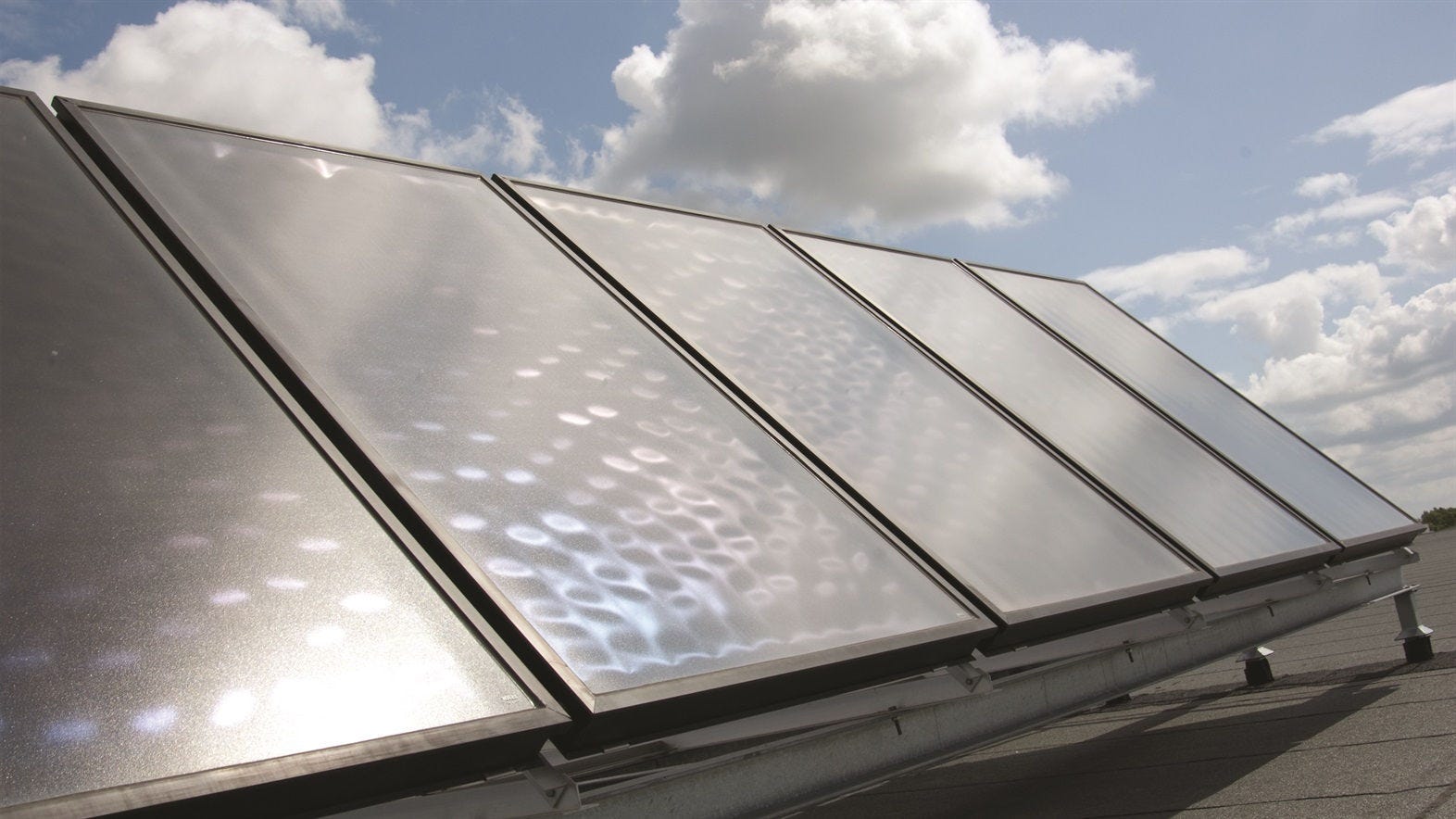
When the sun is shining bright, it’s a great time to rethink heating with smart solar self-consumption.
Pairing heat pumps with photovoltaic panels is one of the most effective ways to increase energy efficiency and reduce energy bills. Solar panels generate electricity while heat pumps use that electricity to heat your home and produce hot water. This means more self-consumed renewable energy, less reliance on the grid, and greater energy independence.
Are you making the most of your solar panels?
lt's almost the beginning of the summer. Solar panels will soon be working hard, but are consumers really making the most of them?
Installing a heat pump can help you save money on heating bills. Connecting it to photovoltaic panels should deliver even greater cost savings, as homes become even more energy-efficient.
When heat pumps are paired with photovoltaic panels, much of the electricity they need to operate comes — free — from the electricity the panels generate. As a result, they draw less electricity from the grid, so energy bills drop.
Self-generating electricity instead of getting it from your energy supplier makes financial sense in more ways than one.
Why solar self-consumption makes financial sense
Firstly, you can be paid for the electricity they produce, even if you don’t use it all. Excess energy can be transported back to the grid and you may receive a fee in return, known as a feed-in tariff.
Feed-in tariffs have been an attractive selling point for some time. Today, however, they are being reduced, and as a result homeowners are getting paid less for their electricity than in previous years.
At the same time, net metering will soon be a thing of the past and energy prices are rising. Also, sustainability targets and Net Zero legislation are increasing pressure to decarbonise homes. For these reasons, it has never been more important to increase self-consumption of solar energy.
How heat pumps and solar panels work together
So how does it work? Primarily, electricity produced by photovoltaic panels can be used to heat hot water all year round, reducing the need for gas or other fossil fuels.
In addition, a hot water tank coupled with a heat pump can also function as a kind of energy "battery".
Excess electricity produced during the day can be used to heat more water than your household immediately needs. This hot water is then stored and used later, increasing solar self-consumption.
Smart technology maximises solar self-consumption
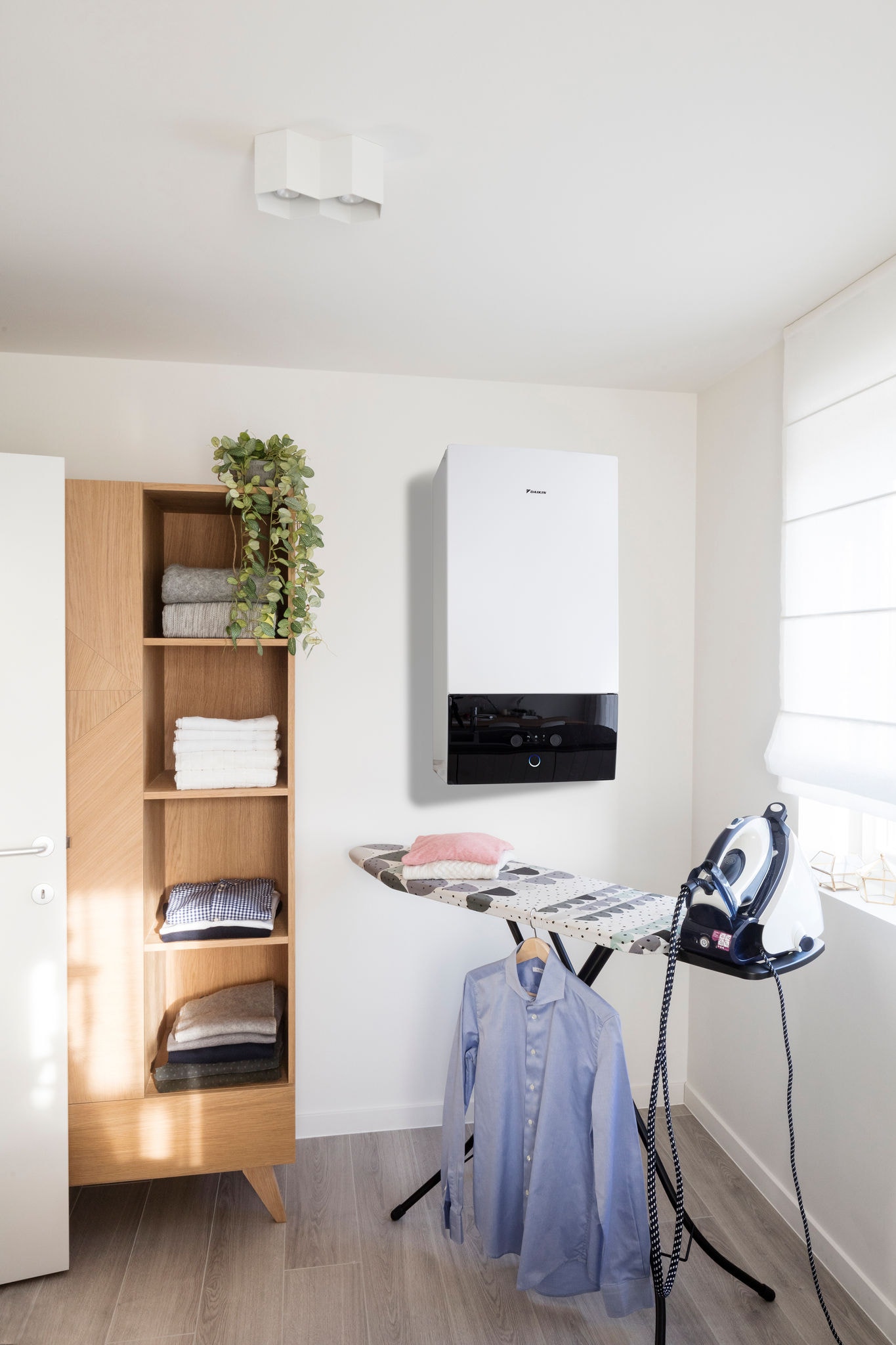
Technology makes this more straightforward than it sounds. Daikin heat pumps use smart algorithms to analyse a household’s energy usage — identifying peak demand periods and lower-usage times — and then determine the most efficient way to ensure the solar panels and heat pump work together. This intelligent system helps maximise the use of solar energy while maintaining comfort and efficiency.

Proven cost savings: the Daikin experiment
Daikin conducted an experiment* using a Daikin Altherma heat pump with a 250-litre hot water tank, connected to photovoltaic panels.
Over the course of a year, up to half (35-50%) of the energy needed to produce hot water came from solar energy. This represents:
around 10% more solar usage compared with photovoltaic panels alone
annual savings of approximately €80–€120 for hot water production
By comparison, selling that same energy back to the grid would earn a homeowner around €23 per year. The case for solar self-consumption is therefore compelling.
*Test carried out in Belgium in 2022 with a PV installation of 5kWp. Water heated to increased temperatures of 10° above normal. Savings calculated using 0,293 euro / kWh for electricity consumption and 0,078 euro / kWh feed-in tariff (using energy prices as of June 2023).
Conclusion: maximise the value of solar energy
Combining heat pumps with photovoltaic panels is one of the most effective ways to increase home energy efficiency. By using solar electricity directly for heating and hot water, homeowners can reduce reliance on the grid, increase self-consumption and lower energy bills. Smart technology further improves this synergy by ensuring the heat pump uses solar energy whenever it is available.
For detailed data, sources and methodology behind these results, explore the full study.