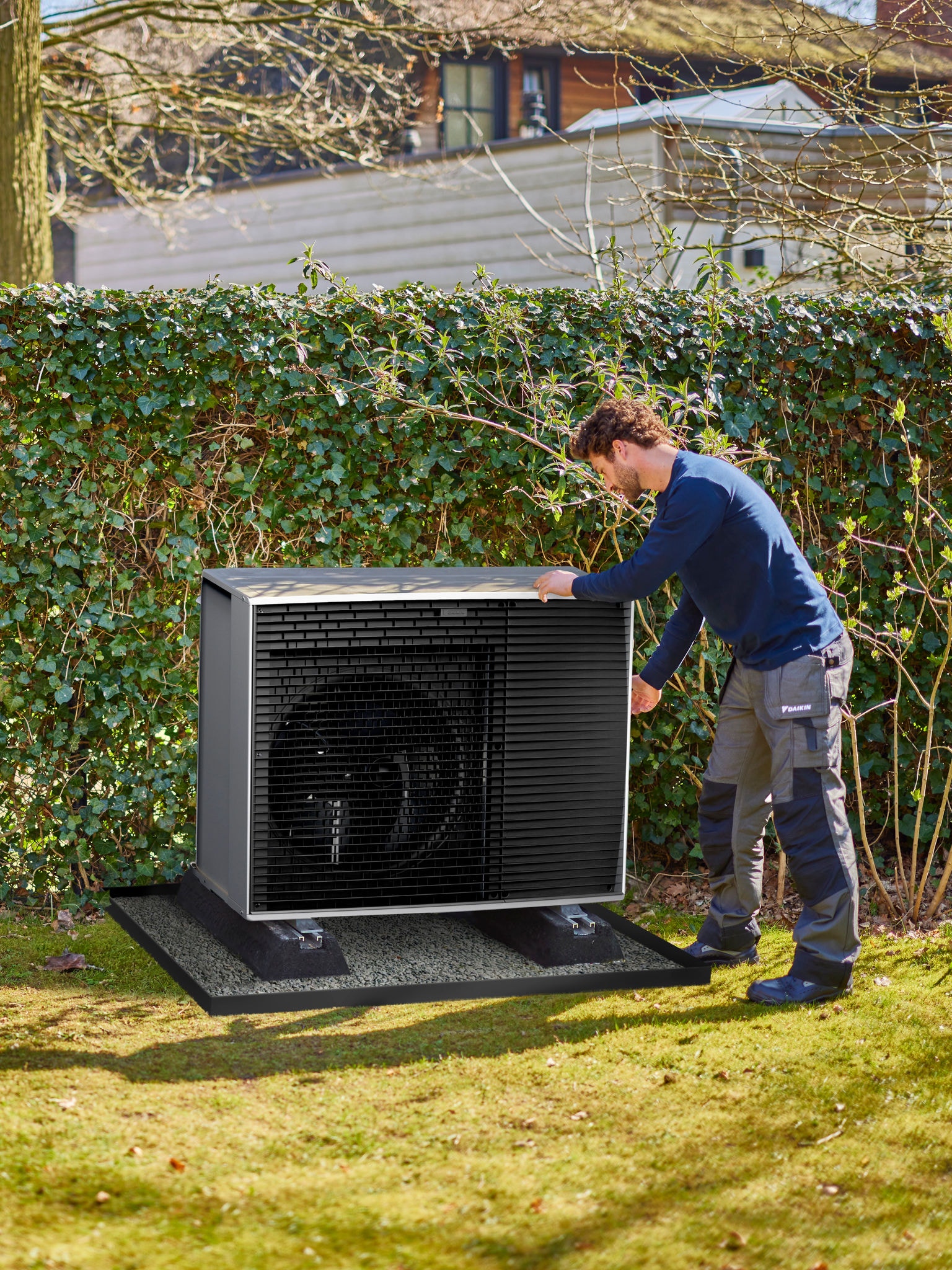
Air source heat pump servicing: costs, checks and benefits
Keep your heat pump running efficiently, reliably and cost-effectively all year round

Regular servicing keeps your air source heat pump efficient, reliable and cost-effective. Most systems should be serviced annually to maintain performance, prevent breakdowns and protect warranty coverage. This guide explains how often to service your heat pump, what a service includes, typical costs, and how to keep your system running efficiently year-round.
Understanding air source heat pumps
An air source heat pump extracts thermal energy from outside air and transfers it into your home using a refrigeration cycle. Two main types serve different purposes:
- Air-to-air systems distribute warm or cool air directly into rooms
- Air-to-water systems heat water for radiators, underfloor heating, or domestic hot water
These systems move heat rather than generate it, making them highly efficient — typically delivering three to four times more thermal energy than the electricity they consume. Key components include the outdoor unit, compressor, indoor heat exchanger, and controls, all working together to maintain comfortable temperatures.
Why regular servicing matters
Manufacturers recommend annual servicing by qualified installers or engineers to maintain efficiency and warranty eligibility. Without scheduled maintenance, systems gradually lose performance as coils accumulate dirt, refrigerant levels drift, or electrical connections loosen. These small changes compound over time, increasing energy bills and reducing comfort.
Professional servicing helps preserve your heat pump’s seasonal coefficient of performance (SCOP), ensuring it continues delivering maximum heat output for every unit of electricity consumed. Early detection of minor issues — such as refrigerant leaks or electrical irregularities — helps prevent costly breakdowns and extends system life. A well-maintained heat pump typically operates reliably for 15 to 20 years.
Regular service visits also fulfil warranty requirements. Many manufacturers specify that missed maintenance may void coverage, leaving you responsible for repair costs that proper servicing could have prevented. Keeping documented service records protects your investment and provides peace of mind.
What's included in a heat pump service?
A comprehensive service begins with a visual inspection of all major components, including the compressor, pipework, valves and electrical connections. Engineers also check temperature readings at various points to verify that the system operates at expected efficiency levels.
Inspection and testing
All refrigerant circuits undergo pressure testing to detect leaks. Engineers clean the outdoor coil, indoor heat exchanger and filters to ensure optimal heat transfer and airflow. Electrical safety checks verify that wiring, terminals and connections remain secure and properly insulated.
System optimisation
All refrigerant circuits undergo pressure testing to detect leaks. Engineers clean the outdoor coil, indoor heat exchanger and filters to ensure optimal heat transfer and airflow. Electrical safety checks verify that wiring, terminals and connections remain secure and properly insulated.
Performance verification
After completing checks and adjustments, the engineer runs the system through heating and cooling cycles. They verify temperature outputs, listen for unusual sounds and confirm that controls respond correctly. You will receive a service report documenting findings, completed work and recommendations.
How often should you service your heat pump?
Annual servicing ensures efficiency and warranty compliance, ideally scheduled before the heating season. High-usage or larger systems may benefit from additional checks in both spring and autumn to detect wear early and maintain consistent performance.
Air-to-water systems typically require attention before winter, while air-to-air systems benefit from checks ahead of summer. Your installer can advise on the most suitable servicing schedule based on your system and usage.
Signs your system needs attention
There are several indicators that suggest your heat pump may require professional attention between scheduled services:
- reduced heating or cooling output
- longer time to reach set temperature
- difficulty maintaining consistent comfort
- unusual noises or vibrations
- increased energy consumption
These signs may indicate dirty components, refrigerant imbalance or general wear.
Service costs and what to expect
Professional heat pump servicing typically costs between £150 and £300, depending on system complexity and regional labour rates. Standard service packages generally include labour, inspections, leak tests, cleaning and electrical safety checks.
This relatively modest investment helps maintain efficiency and avoid the significantly higher costs associated with emergency repairs or premature system replacement.
What's included in standard pricing?
Most service visits include:
- full system inspection
- refrigerant pressure testing
- coil and filter cleaning
- electrical checks
- control system verification
Additional costs to consider
Additional costs may arise for:
- refrigerant top-ups
- filter replacements
- major component repairs
Budgeting for annual servicing is recommended, and service plans can offer better long-term value by spreading costs.
Heat pump maintenance made simple
Regular maintenance ensures your heat pump operates efficiently and reliably. Stand By Me offers structured maintenance packages designed to keep your system operating at peak performance.
These plans provide:
- scheduled annual service visits
- priority support when needed
- full documentation of all service work
Plan benefits and coverage
Stand By Me includes labour costs, genuine Daikin parts and expert knowledge of your specific system. Registration builds a digital service history, which can support warranty claims and property resale.
Peace of mind protection
With Stand By Me, only trained professionals work on your system using manufacturer-approved procedures. This protects warranty validity and ensures long-term system integrity. Fixed pricing also helps with budgeting.
Service plan advantages
Customers benefit from priority scheduling, particularly during peak seasons. The plan ensures accountability through clear maintenance records and supports long-term system health.
Smart monitoring with DCS Residential
Daikin Cloud Service (DCS) Residential enhances maintenance through connected technology. By linking your system to the cloud, it enables real-time monitoring, diagnostics and performance tracking.
- Predictive maintenance: DCS residential alerts you to issues early and reduces emergency call-outs
- Energy insights: tracks electricity use and helps optimise settings
- Availability: currently supports air-to-air systems (air-to-water coming soon)
Choosing a qualified engineer
Selecting a qualified professional ensures your heat pump receives the correct care. Look for engineers with relevant certifications such as F-Gas and REFCOM, and proven experience with heat pump systems.
Manufacturer training & authorisation
Engineers trained by Daikin have specialist knowledge, use genuine parts, and follow manufacturer protocols to protect warranties and optimise performance.
Service transparency
A reliable engineer should clearly explain qualifications, response times, available service plans and their approach to preventive maintenance.
DIY maintenance and professional care
Homeowners can support system performance with simple checks:
- Basic upkeep: Keep the outdoor unit clear of leaves, debris, and maintain ≥300 mm clearance around it to ensure efficient operation.
- Safe owner tasks: Ensure vents and grilles are unobstructed, clean or replace accessible filters every 1–3 months, and inspect the outdoor unit for damage or unusual sounds.
- Leave technical work to professionals: Refrigerant work, electrical repairs, and internal component adjustments require certified engineers. DIY attempts can void warranties, damage the system, or create safety hazards.
- Clear division of responsibilities: Owners handle cleaning and basic monitoring, while trained technicians manage internal, refrigerant, and electrical tasks to protect your system and safety.
Preparing for your service visit
Proper preparation helps ensure an efficient and thorough service visit:
- Prepare the area: Ensure clear access to indoor and outdoor units; move furniture and trim plants to avoid obstructions.
- Document issues: Note problems, unusual noises, temperature inconsistencies, and running patterns. Have system make, model, installation date, and previous service reports ready.
- Questions to discuss: Ask what will be checked, any adjustments made, and recommendations. Discuss optimal temperature settings and usage impacts.
- Post-service verification: Run the system with the engineer if possible, check controls and outputs, and review the service report for parts replaced, adjustments, or future recommendations.

Common issues and solutions
Refrigerant leaks
Refrigerant leaks represent one of the most frequent problems discovered during servicing. Engineers detect leaks through pressure or vacuum testing, then repair the affected area and recharge the system to the correct levels. Addressing leaks promptly is essential, as unresolved issues can lead to reduced efficiency, higher energy consumption and potential compressor damage.
Electrical and control problems
Loose wiring, corroded terminals or failing contactors often emerge during electrical safety checks. Technicians tighten connections, replace degraded components and verify that insulation remains intact. In some cases, thermostat or control board issues may require recalibration, firmware updates or component replacement to restore accurate and reliable operation.
Cold weather complications
In colder climates, defrost cycles can sometimes malfunction, leading to excessive ice build-up on the outdoor coil. Engineers may adjust defrost algorithms or clean heat exchange surfaces to resolve the issue. They will also check that the unit remains level and that drainage flows freely, helping to prevent further ice-related problems and maintain performance during winter conditions.
Water system imbalances
Air-to-water systems can occasionally develop flow or pressure imbalances, affecting how heat is distributed throughout the home. Technicians may tune circulation pump settings, bleed radiators to remove trapped air or recharge expansion vessels. These adjustments help restore proper water movement and ensure consistent, even heating across all rooms.
Environmental benefits of regular servicing
Clean coils and filters improve heat transfer, allowing your heat pump to operate more efficiently. This reduces electricity consumption while maintaining the same level of comfort, which in turn lowers the carbon emissions associated with your energy use. Well-maintained systems operate closer to their design efficiency, maximising their environmental performance.
Sustained low-carbon heating
Heat pumps already offer significant environmental advantages compared to fossil fuel systems by extracting renewable thermal energy from the air. Regular servicing ensures that this advantage is maintained over time. When performance degrades, efficiency drops — reducing the environmental benefits and increasing energy demand.
Resource conservation through longevity
Proper maintenance extends your heat pump’s operational lifespan, delaying the need for replacement. A longer service life means fewer systems need to be manufactured, transported and installed, contributing to reduced material use and environmental impact.
Reduced electricity consumption also helps lower demand on energy infrastructure. As electricity grids increasingly incorporate renewable sources, efficient heat pumps play a role in accelerating the transition away from fossil fuels in both heating and power generation.
Long-term value of proper maintenance
A well-serviced heat pump can operate efficiently for 15 to 20 years, while neglected systems often fail prematurely. This difference represents significant financial value through avoided replacement costs, reduced repair expenses and consistently lower energy bills over time.
Maintaining your system properly includes:
- Schedule regular servicing: Have your heat pump checked routinely to detect minor issues before they develop into major failures.
- Monitor for early warning signs: Pay attention to refrigerant leaks, unusual noises or electrical irregularities and address them promptly.
- Maintain system efficiency: Keep filters clean, ensure airflow is unobstructed and maintain components in good condition to support consistent comfort and lower energy use.
- Document service history: Keep records of all servicing and repairs to protect your warranty, support property value and demonstrate responsible system ownership.
Conclusion: protect performance and long-term value
Regular air source heat pump servicing is essential to maintain efficiency, prevent breakdowns and extend system lifespan. With annual professional maintenance, smart monitoring and proper care, your heat pump will continue delivering reliable comfort and lower energy costs for years to come.
Key takeaways
- Annual servicing maintains efficiency and warranty
- Typical cost: £150–£300 per service
- Prevents breakdowns and extends lifespan (15–20 years)
- Service plans improve reliability and convenience
- Smart monitoring enables predictive maintenance
Keep your system performing at its best with the right solution.