
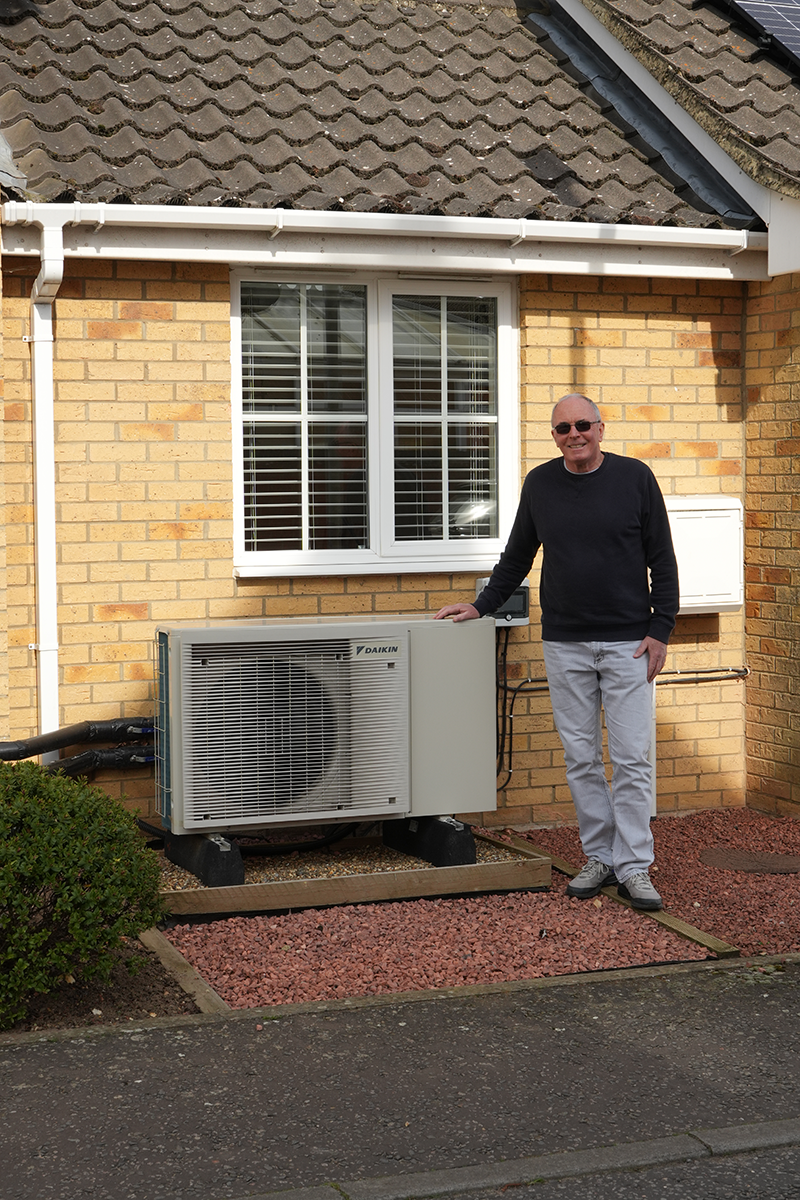
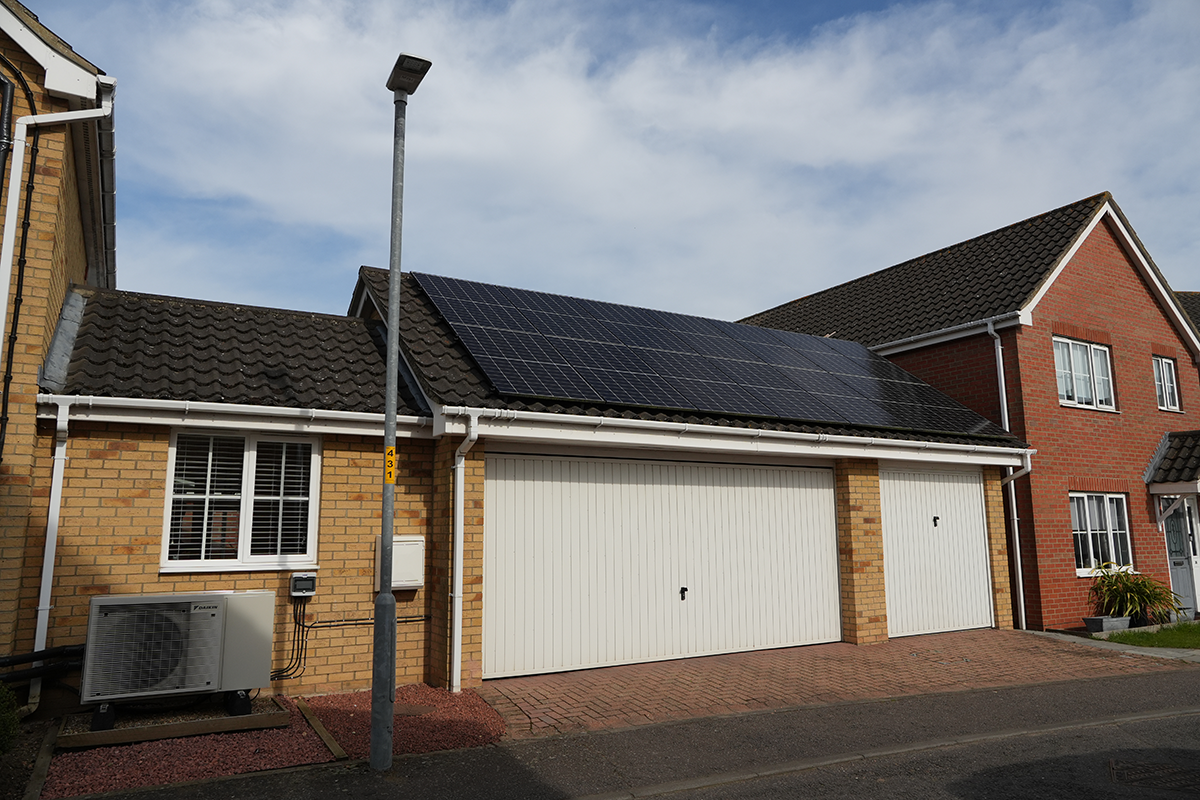
When homeowners Rob and Diane Menhinick decided to upgrade their home’s heating system, they opted for a more sustainable solution. They replaced their aging gas boiler with a Daikin heat pump, seamlessly integrating it with their existing solar panels, solar battery and solar diverter. The result? A highly efficient, eco-friendly system that maximises renewable energy.
Living in a four-bedroom detached home built in 2004 on the outskirts of Attleborough, Norfolk, the Menhinicks were motivated by several factors: reducing energy costs, future-proofing their home, lowering their carbon footprint, and making better use of their existing solar energy setup.
While the upfront investment was significant, the long-term benefits made it worthwhile. “We plan to live at our current home for the rest of our lives and hope that the system will pay back the installation cost in our lifetime and probably within 10 years,” says Rob. “The government grant for heat pump installation also helped, allowing us to replace our inefficient gas boiler with a heat pump system for not much more than the cost of a new gas boiler.”
A smooth installation in just one week
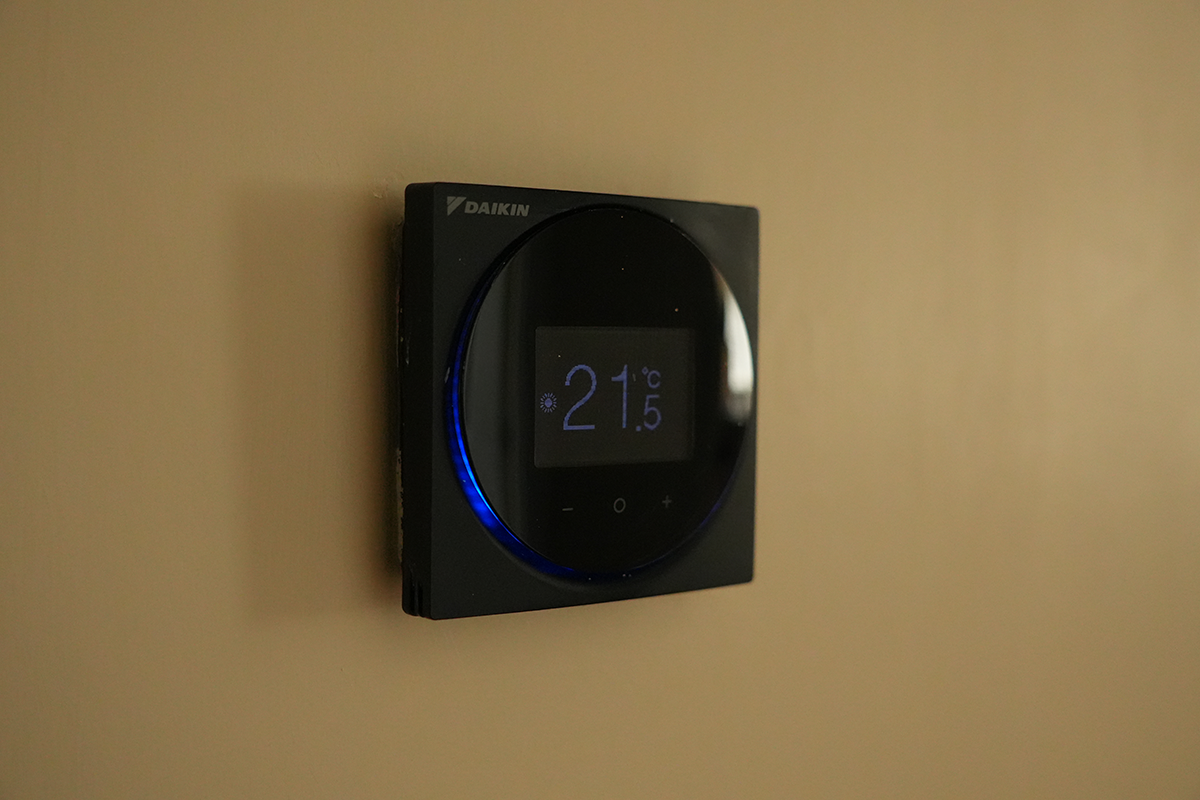
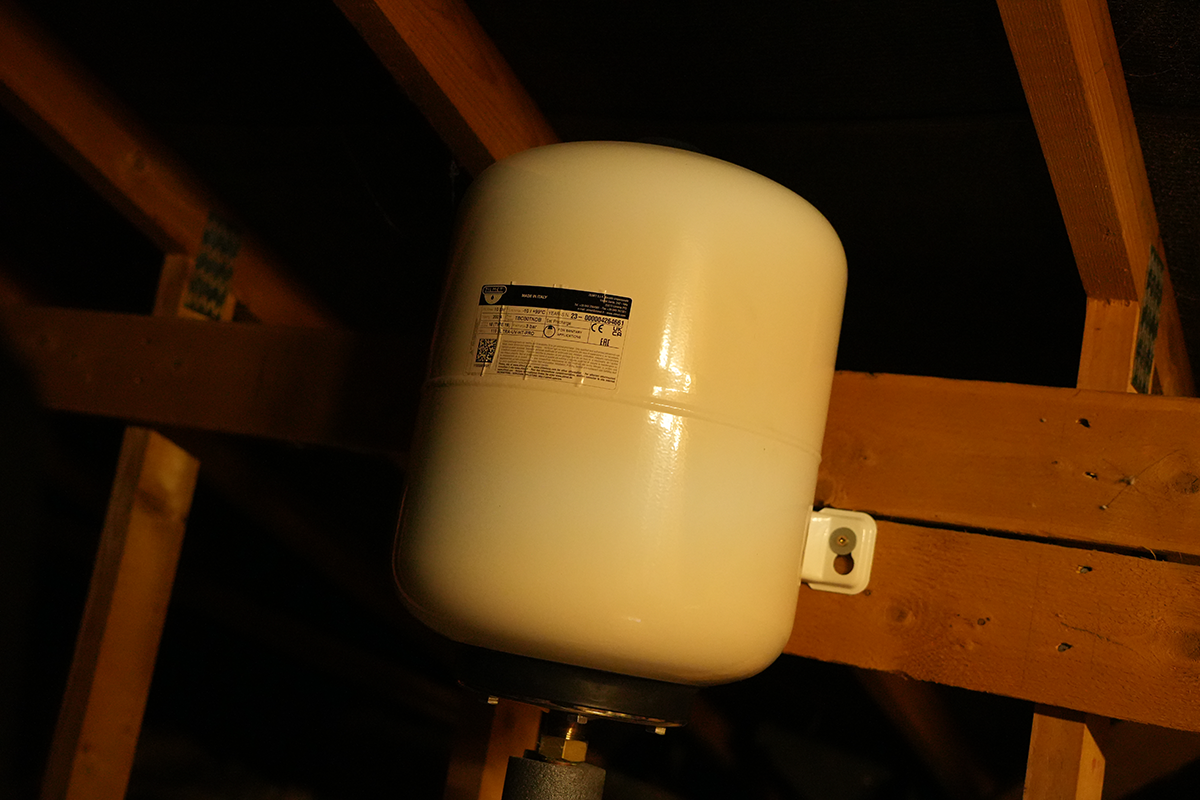
The installation took place over a week in February 2024 during cold and wet conditions. Some modifications were necessary to ensure the system ran at peak efficiency, including installing new radiators, upgrading pipework for three radiators, and fitting a new hot water tank and thermostat.
The Menhinicks chose Octopus for the installation and were very pleased with the process and support. The Octopus quote, which included replacing most of the radiators and pressurised hot water cylinder, was lower than competitor quotes who had not priced for larger radiators but who had instead specified a larger wattage heat pump. “We were happy to be able to enjoy heat provided at a lower electrical running cost from a lower wattage Daikin heat pump and to have the benefit of newer and only marginally larger radiators,” says Rob.
The switch to a pressurised hot water cylinder significantly improved their hot water pressure, eliminating the need for an old plastic cold water storage tank in the loft. This not only freed up space but also removed the risk of a potential leak from the aging tank. The new system’s compatibility with a solar diverter allowed them to heat water using solar energy, reducing reliance on the heat pump for hot water.

Seamless integration with solar power
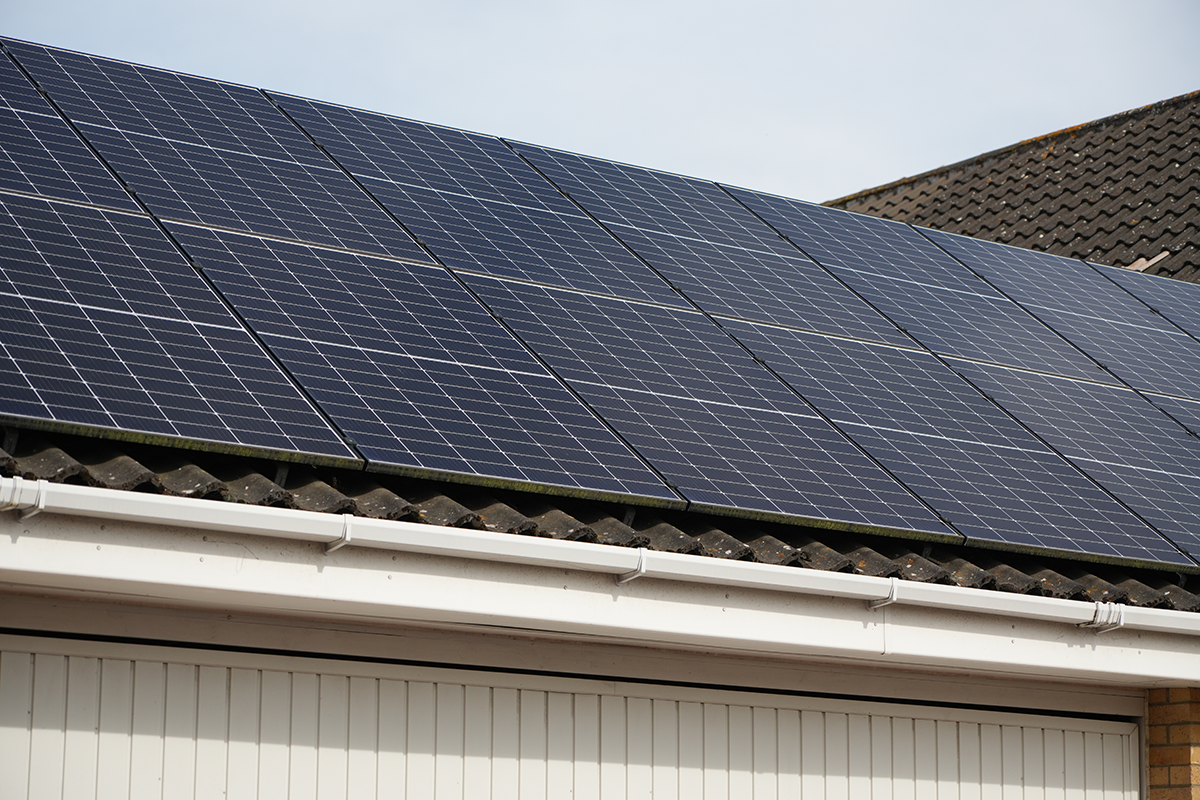
A major advantage of the new system is how well it works with the home’s existing solar panels and battery. The heat pump prioritises solar and battery power over grid electricity whenever possible, significantly shortening the payback period for both systems.
The solar diverter optimises energy use by directing excess solar power to heat water, reducing grid electricity consumption. This allows more of the generated solar power to be used in the home rather than being exported to the grid. Additionally, the solar battery stores electricity bought at cheaper overnight rates, helping power the heat pump before the sun rises.
Comfort, convenience, and quiet operation
One of the biggest benefits for the Menhinicks has been the ease of use and improved comfort levels. They use the Daikin Onecta app for remote scheduling, making it simple to adjust heating settings while away. “When we were on holiday in Tenerife, we lowered the heating and restored it just before returning home,” says Rob.
By maintaining a steady temperature, the heat pump keeps their home more comfortable than their previous gas heating system. “The whole home is heated to a more even temperature 24/7, which is far more comfortable than before,” Rob explains. “Previously, with the gas heating system, we used to turn the heating off during the night and during a midday period. We did not heat unused rooms and the house was cycling between being heated then cooling down. This was far less comfortable than it is now.”
A smart, sustainable future
Switching to a heat pump has allowed the Menhinicks to enjoy consistent warmth while reducing their energy costs and environmental impact. “We can now heat the whole house evenly 24/7 at a lower cost than we were paying for gas while only heating certain rooms part of the day.”
Their experience highlights how modern renewable heating solutions can provide comfort, savings, and sustainability—all in one smart package.
"On sunny days, the heat pump can be completely powered by solar panels during daylight hours for much of the year."
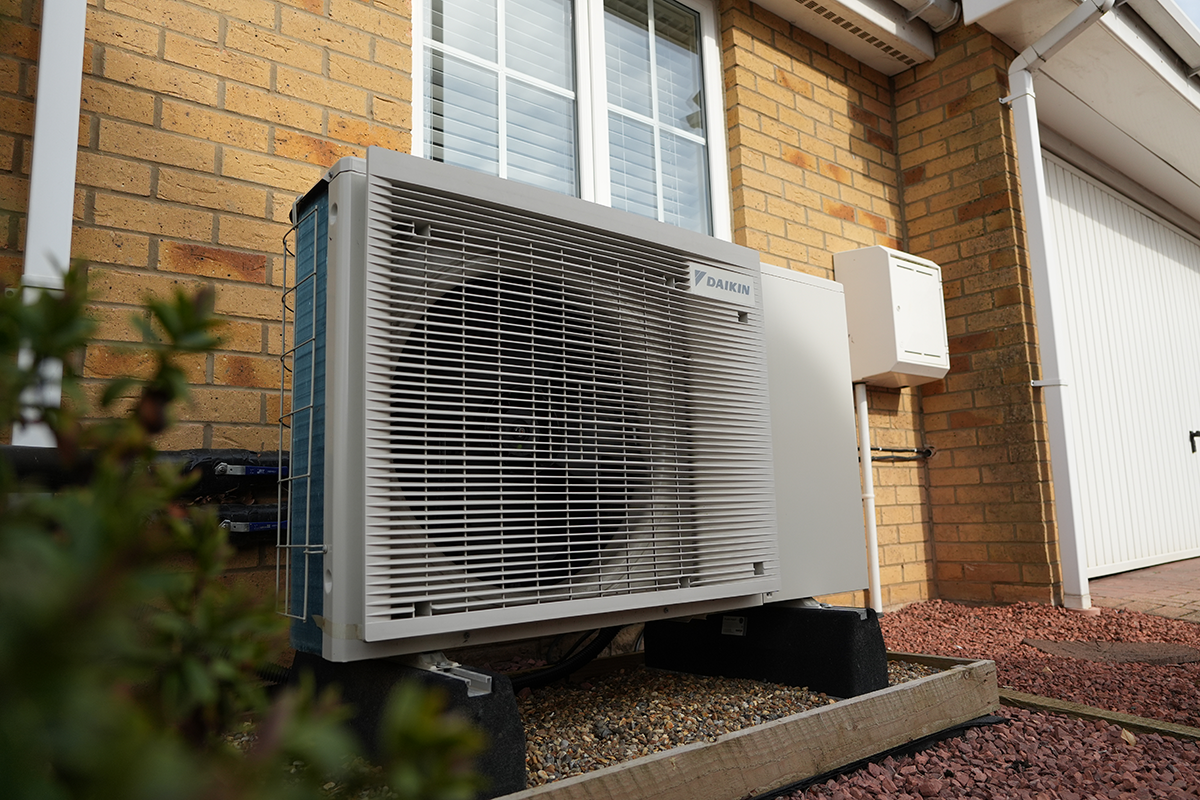



Products used on this project

Get in touch with an installer
Complete the form to be contacted by one of our carefully selected installers for expert advice