How one Hampshire household got off gas for good and now gets paid to run their house
Fleet, Hampshire
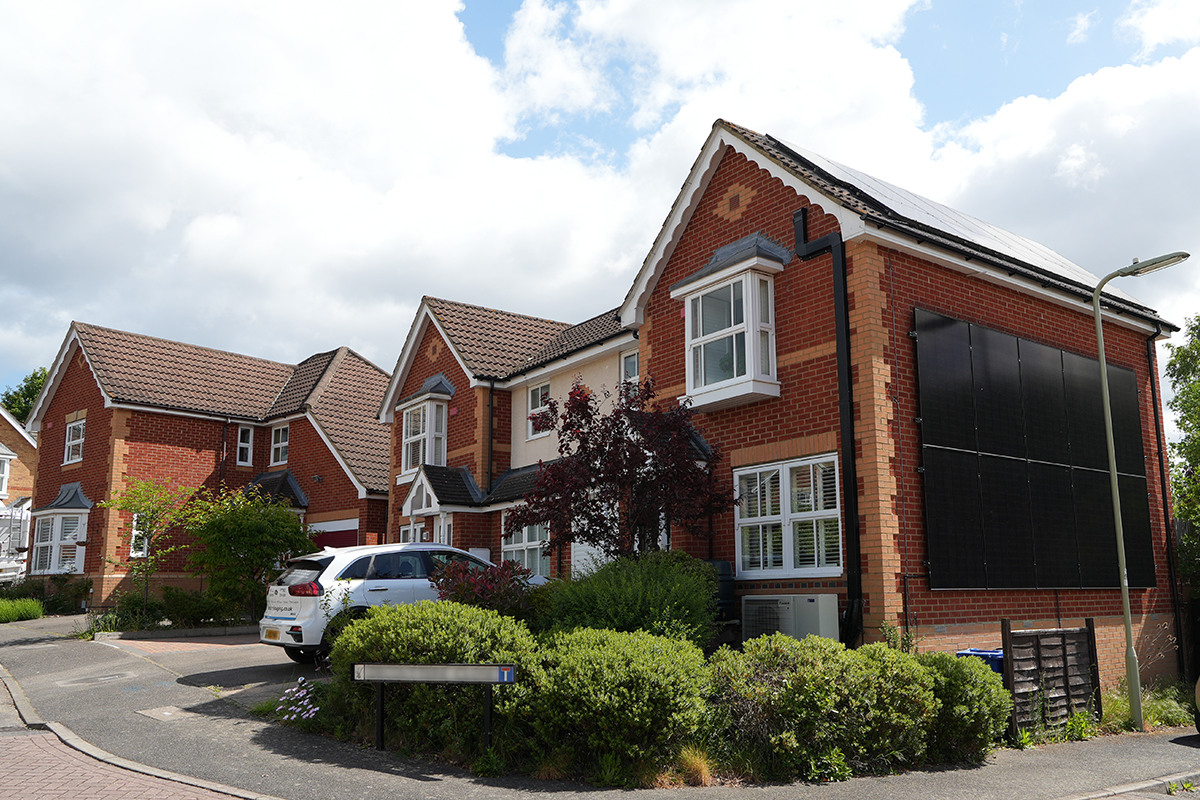
When photographer and renewable energy enthusiast David Hogg and his wife Steffi moved into their three-bedroom semi-detached home in Fleet, Hampshire, in 2019, they had a clear vision for its future. The property was a typical late-1990s home, fitted with a conventional gas boiler and a standard central heating system. But for David, the move represented an opportunity to create a fully-electrified, low-carbon home that combined solar panels, a battery storage system and Daikin’s highly efficient, air pump heating technology.
Building an all-electric home
Having installed solar panels and battery storage in a previous property, David was keen to push the concept further in his new home. “We knew straight away that we wanted to make the house as green and energy efficient as possible.”
The transformation began soon after moving in. Roof-mounted solar PV panels and a battery storage system were installed, alongside improvements to loft insulation and cavity wall insulation to reduce heat loss. Later, David added a wall-mounted solar array to a south-facing brick elevation, maximising the home’s solar generation potential.
At the same time, the household had already transitioned away from using gas for hot water, instead relying on an electrically-heated hot water cylinder. This meant the property’s ageing gas boiler was being used solely for space heating. “Everything else in the house was electric already,” David says. “So the obvious next step was to remove gas completely.”
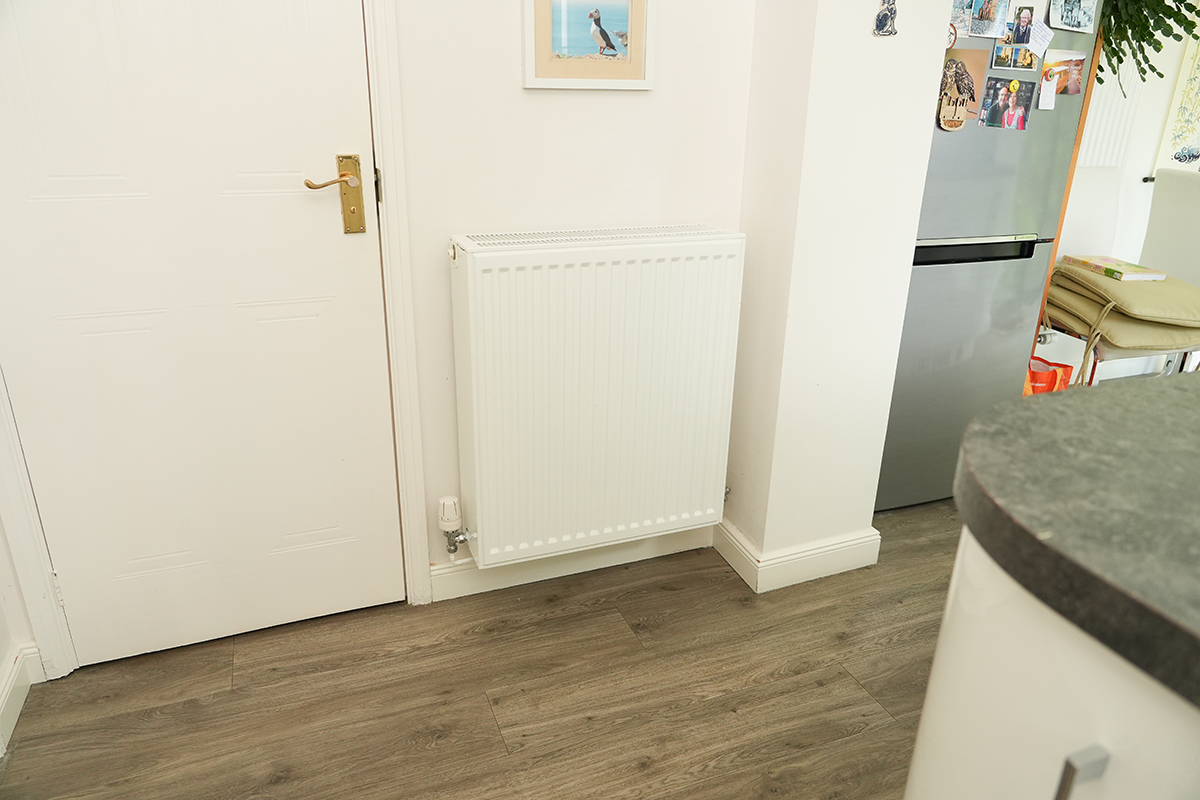
Initially, however, the idea of installing a heat pump felt daunting. “I’d always liked the concept of heat pumps, but I associated them with major disruption, changing radiators, re-piping the house and very high upfront costs,” he explains. “It wasn’t until Octopus Energy began offering installations at a very competitive price, with a system that didn’t require re-piping the house, that I seriously reconsidered it.”
Choosing a Daikin heat pump
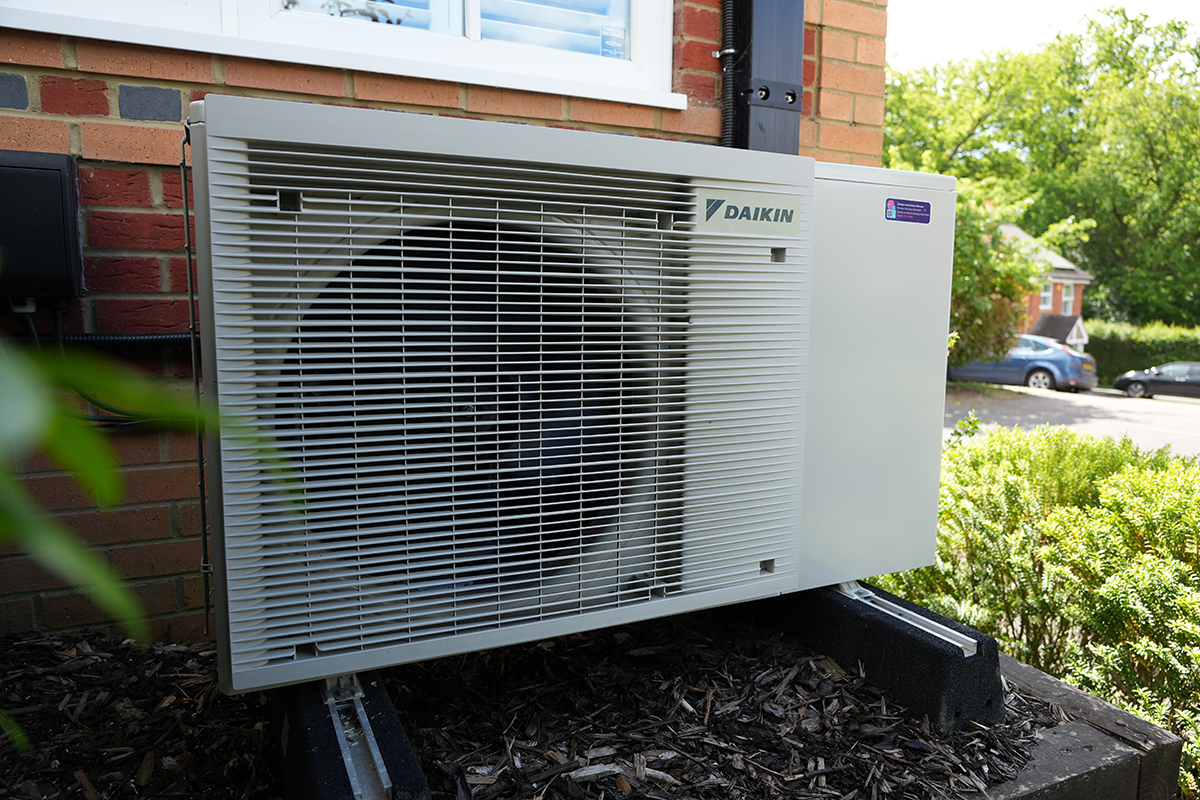
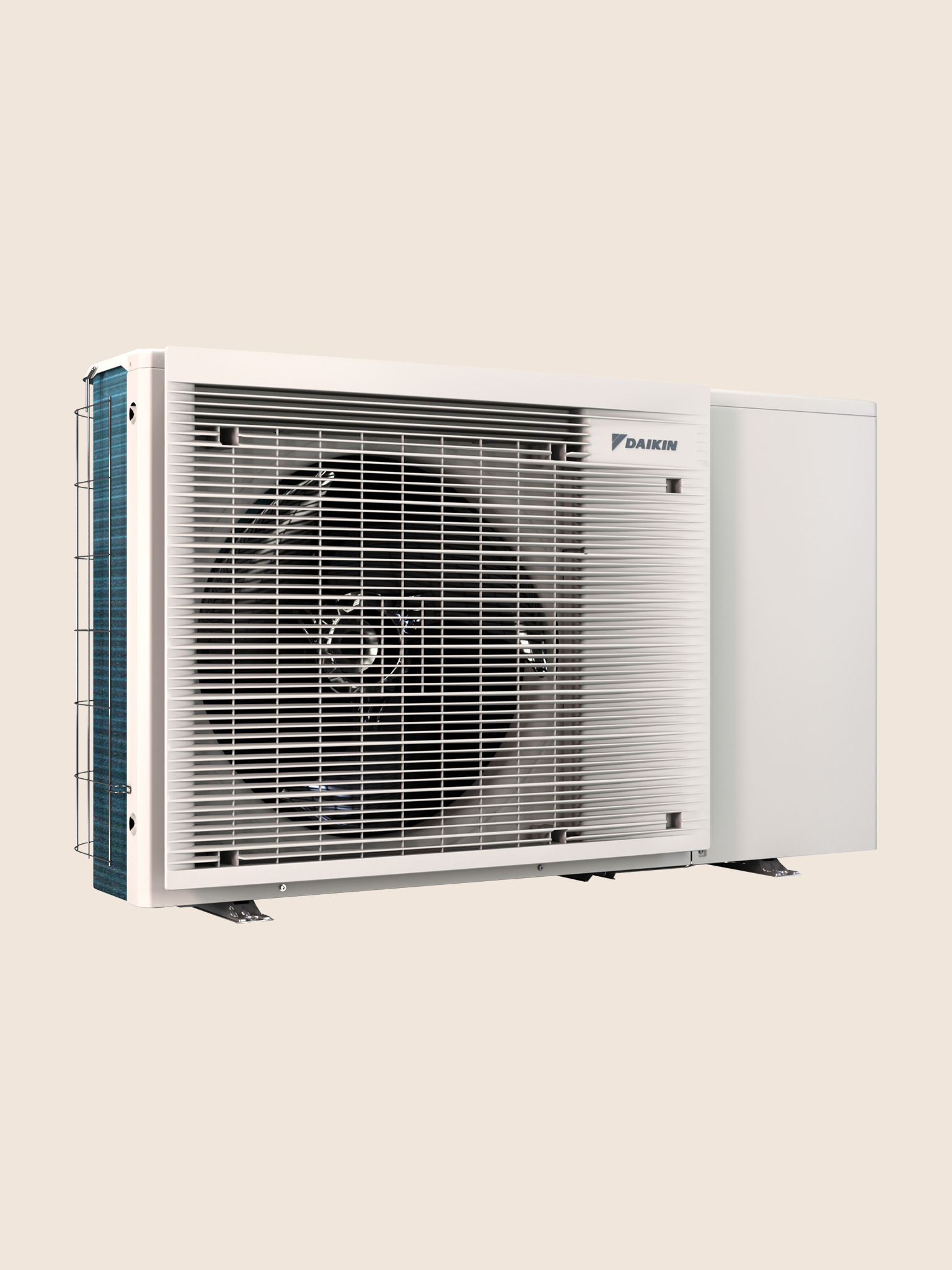
After researching options in late 2023, David proceeded with an air-source heat pump installation through Octopus Energy, who were installing Daikin systems as part of their rollout programme. Following a detailed heat loss assessment, a 6kW Daikin Monobloc was installed.
David says the decision to proceed aligned closely with his environmental priorities. “The primary driver was reducing our carbon footprint and getting off gas entirely,” he explains. “But I also knew electrification would save money in the long term, especially when combined with solar and battery storage. It would also help to protect us and future homeowners from volatile gas prices.”
Overcoming planning and installation challenges
As with many retrofit heat pump projects, the installation process presented several logistical challenges. David had initially hoped to position the outdoor unit discreetly at the side of the property, but local planning restrictions prevented this due to the land’s designation as protected amenity space.
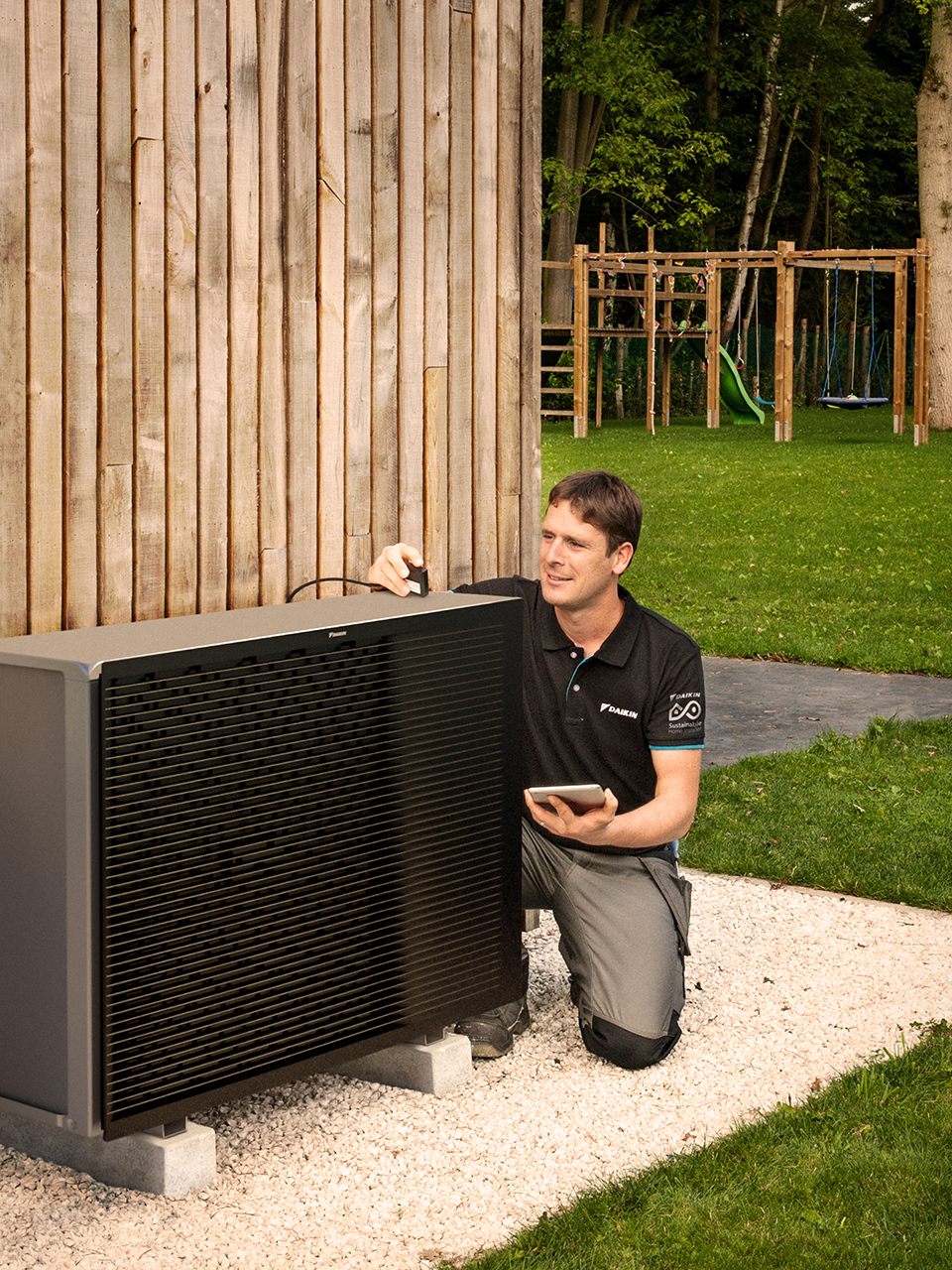
Alternative locations were explored and permission was granted to install the unit at the front of the property. David opted for a floor-mounted arrangement after researching ways to minimise vibration and sound transmission, and a bespoke raised base was constructed ahead of installation to create a suitable level platform for the outdoor unit.
The installation proceeded smoothly over the course of a week. “The onsite team were excellent,” says David. “They were patient, professional and very accommodating throughout the process.”

Immediate comfort and efficiency improvements
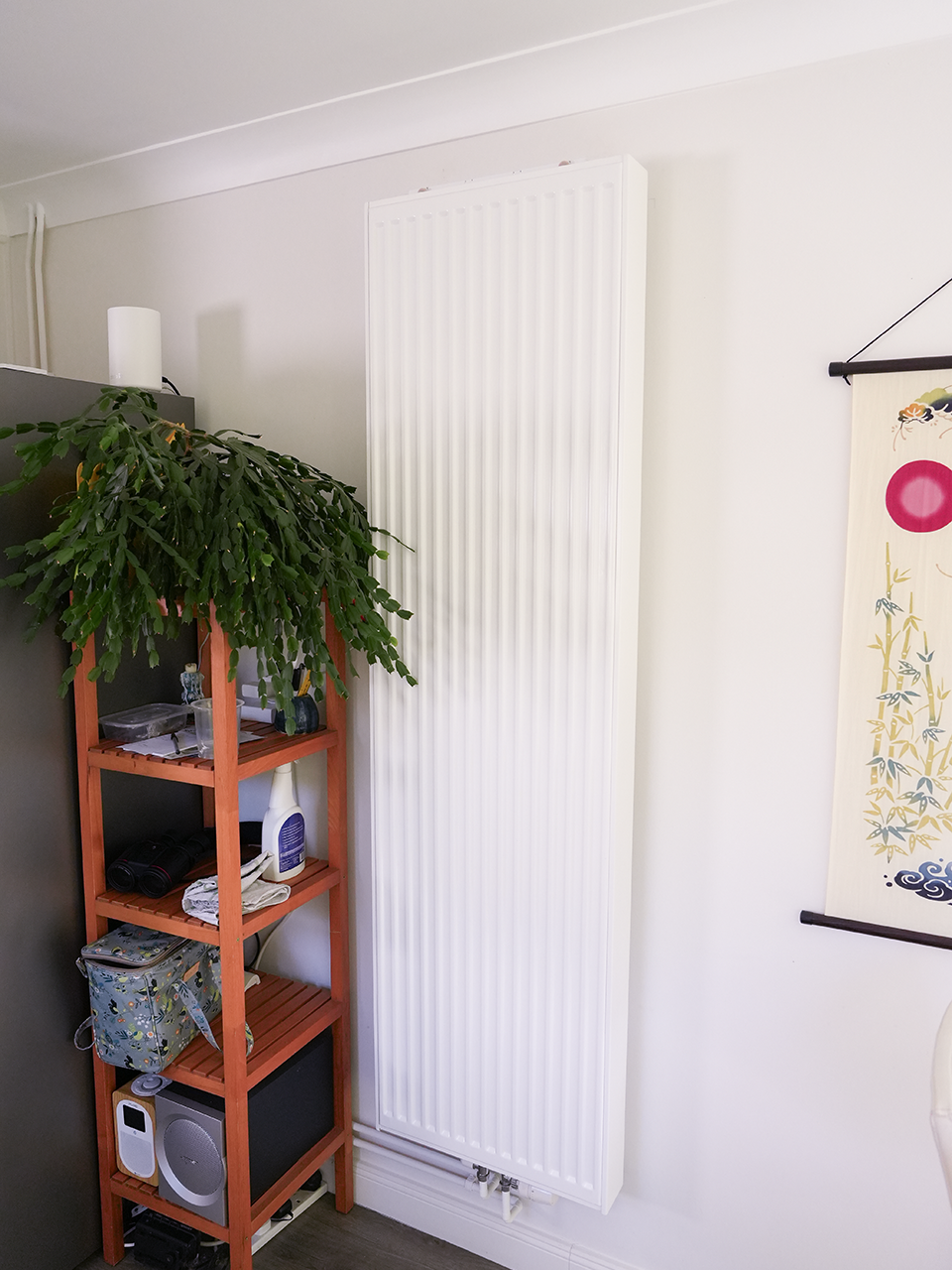
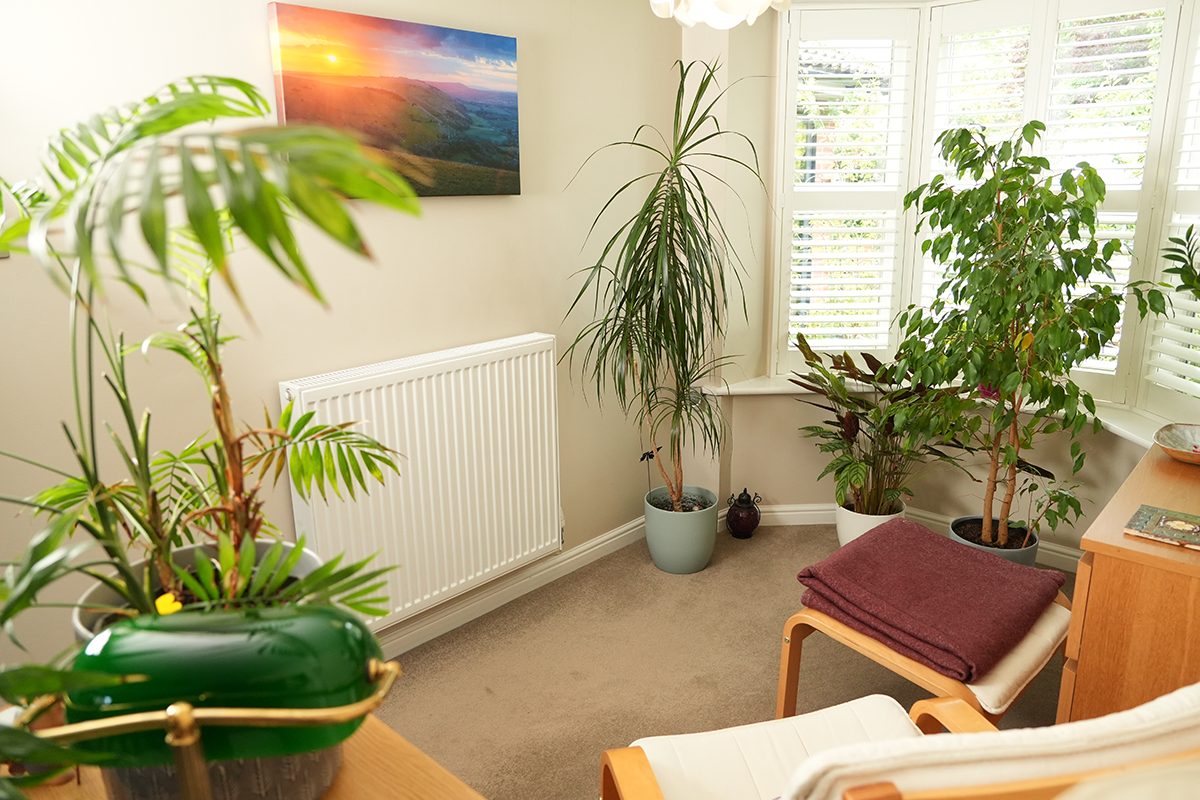
Since commissioning in February 2025, the Daikin heat pump has transformed the way the property is heated. David notes that comfort levels throughout the home have improved significantly compared with the previous gas boiler system which, to save gas, tended to only be used in the mornings and evenings, meaning the house cooled down significantly during the day. “The heat pump itself has been fantastic. It provides a very stable and comfortable temperature throughout the house, and the system has been extremely reliable.”
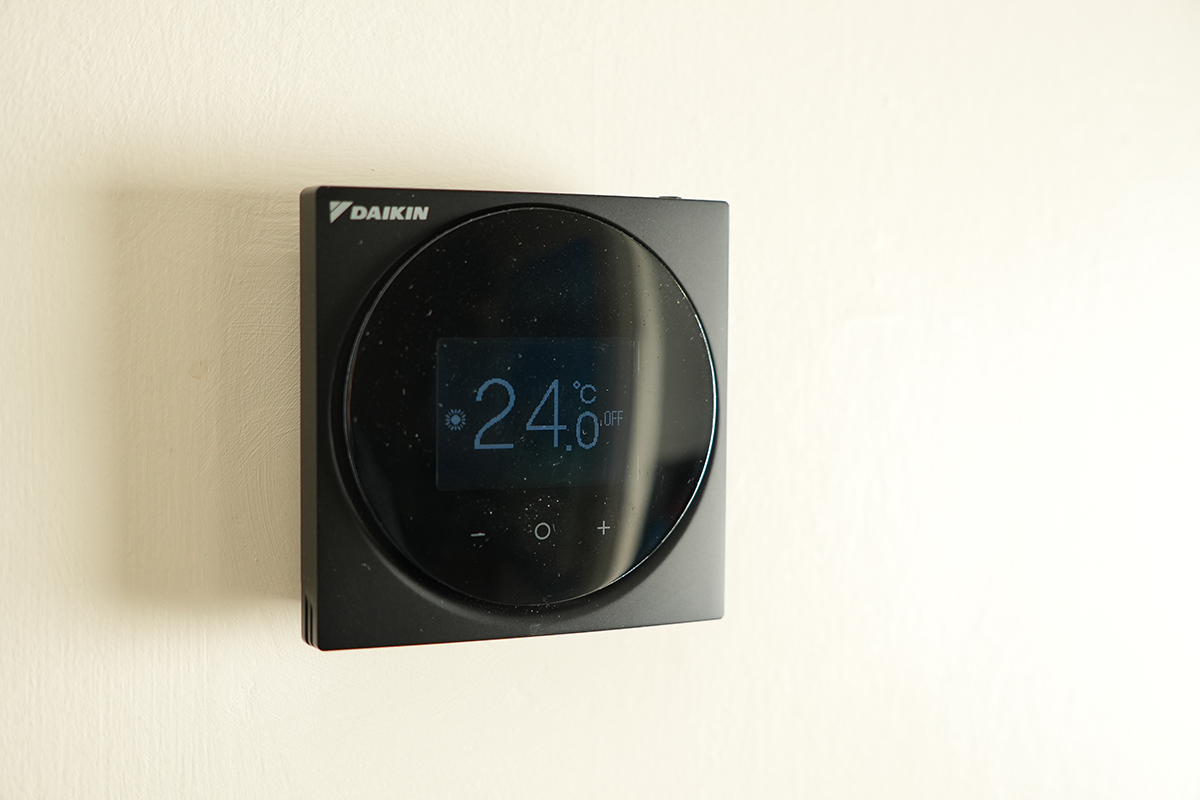
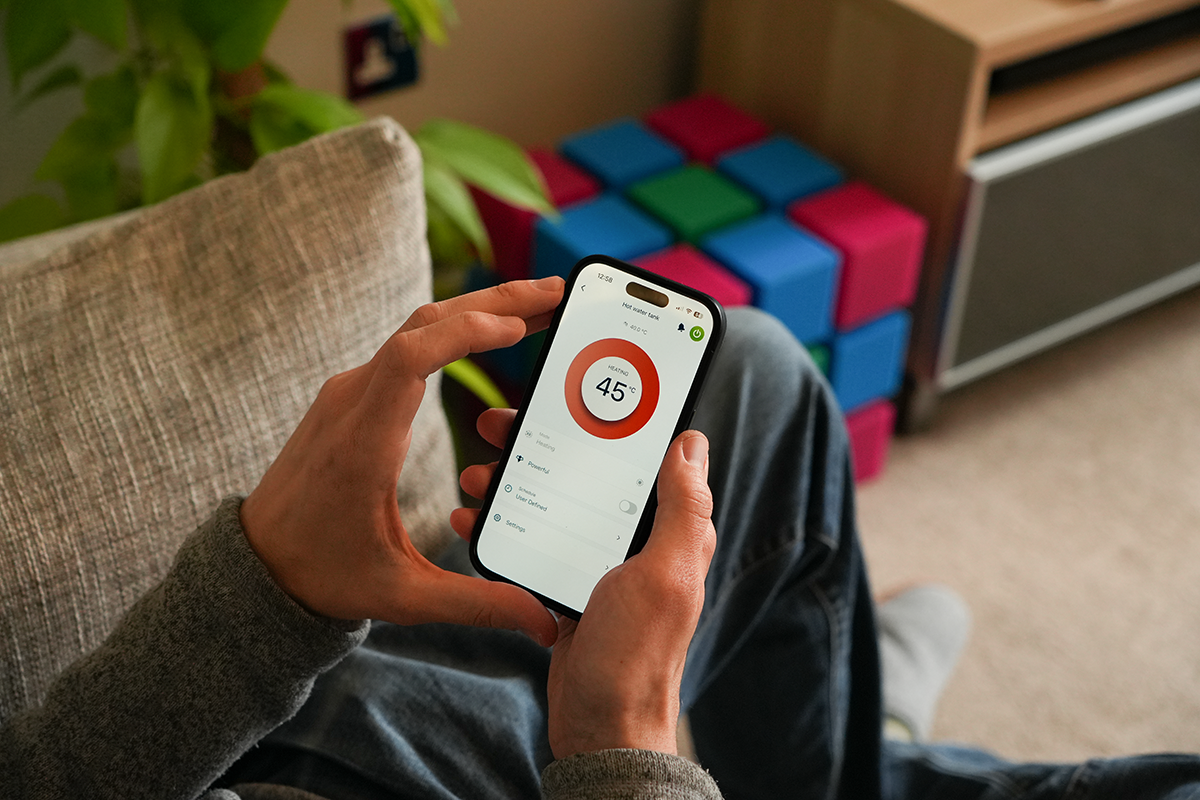
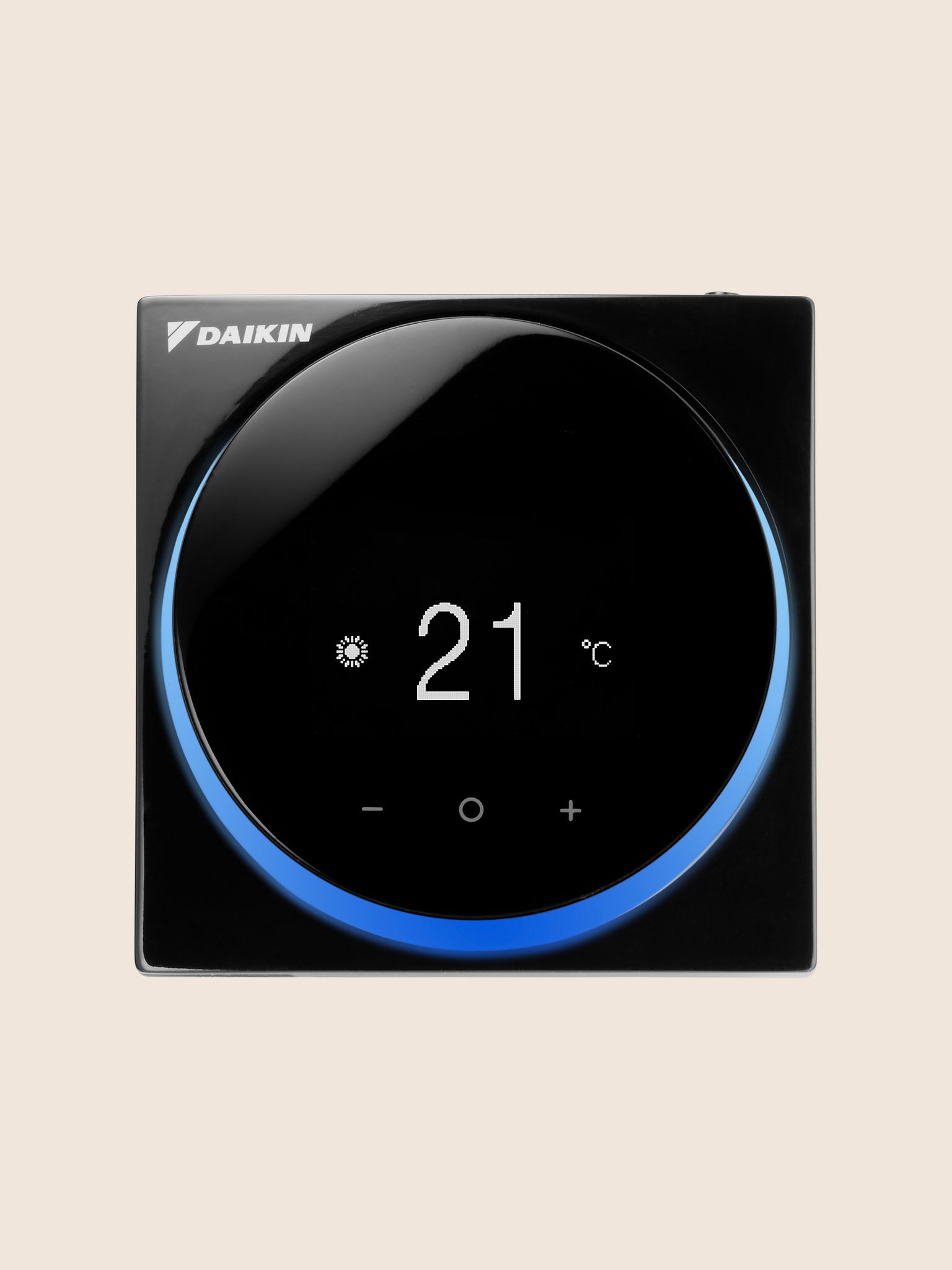
Like many technical minded homeowners, David also invested time learning how to optimise system performance. By combining the Daikin controls with advanced home automation software, he has been able to fine-tune heating schedules, monitor performance data and maximise efficiency alongside his solar generation and battery storage systems.
However, he emphasises that the system works effectively even without complex optimisation. “If you simply want a reliable heating system that quietly keeps the house comfortable, it absolutely does that,” he says.
Exceptional savings on running costs
The combination of the Daikin heat pump, solar PV and battery storage has delivered remarkable energy performance. Over the first full year of operation, David calculated that the property effectively generated more energy than it consumed for household heating, lighting and electricity usage.
“Because we were being paid for exporting our excess solar energy to the grid, after twelve months the house actually made a profit of £120 on energy costs,” he explains. “That covers heating, lighting and powering the entire house. You simply wouldn’t achieve that with a traditional gas system.”
To minimise running costs and maximise savings, the household takes advantage of off-peak electricity tariffs and intelligent controls to purchase electricity when it’s cheap and sell it when it’s expensive.
David's home in Fleet shows what's possible when solar, battery storage and an efficient heat pump work together. The result is a home that's comfortable, has a very low carbon footprint due to being completely free of gas, and actually generates the homeowners a profit over the course of the year.
Products used on this project

Get in touch with an installer
Complete the form to be contacted by one of our carefully selected installers for expert advice