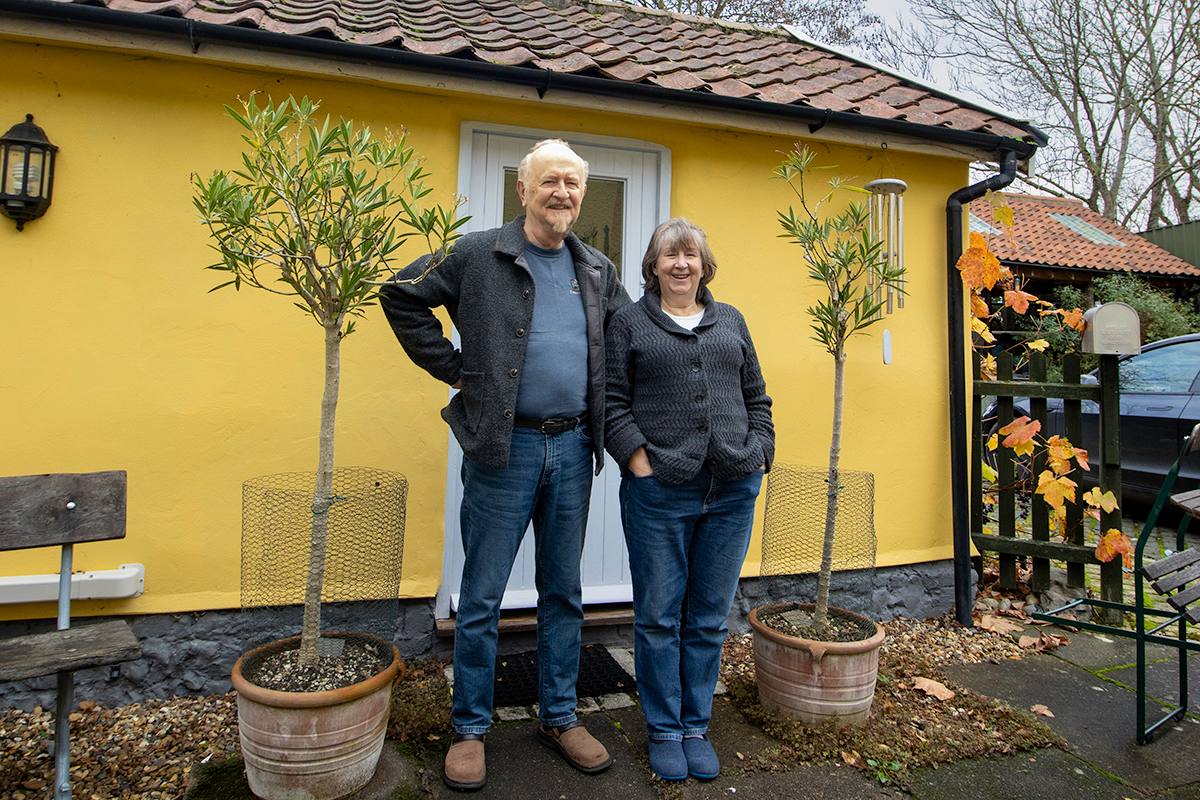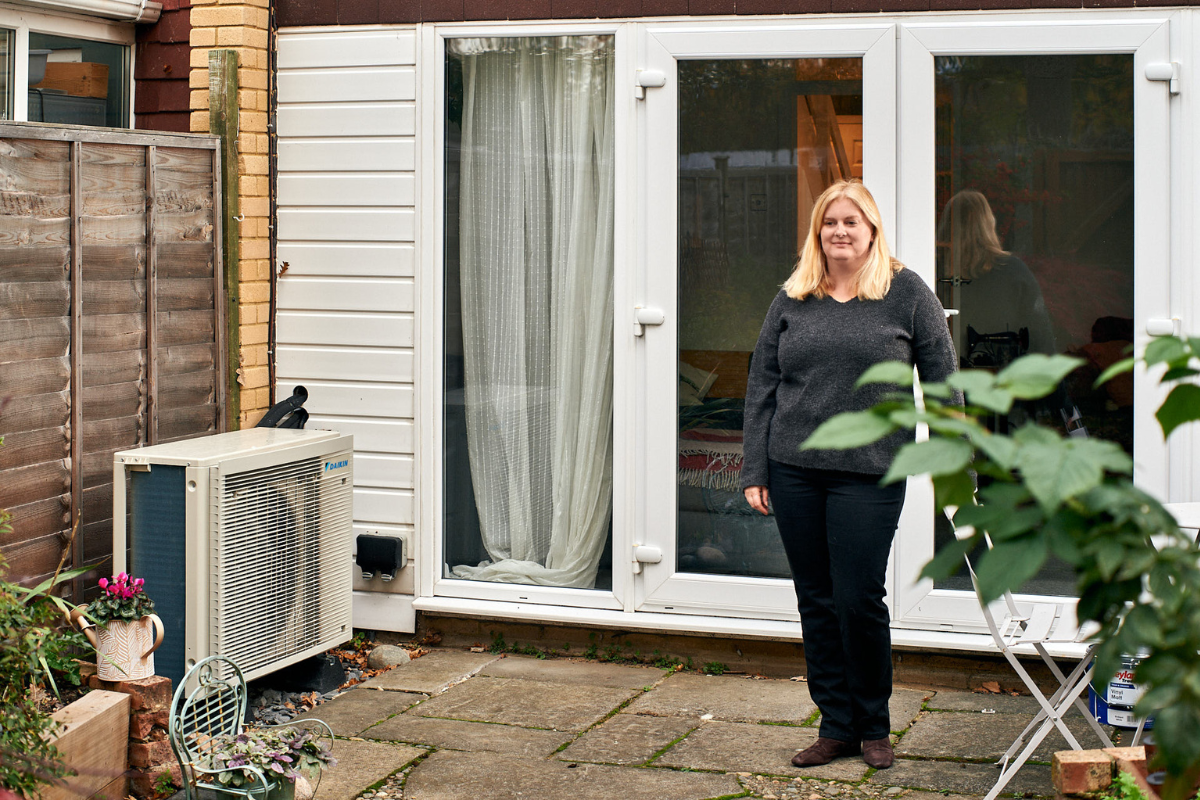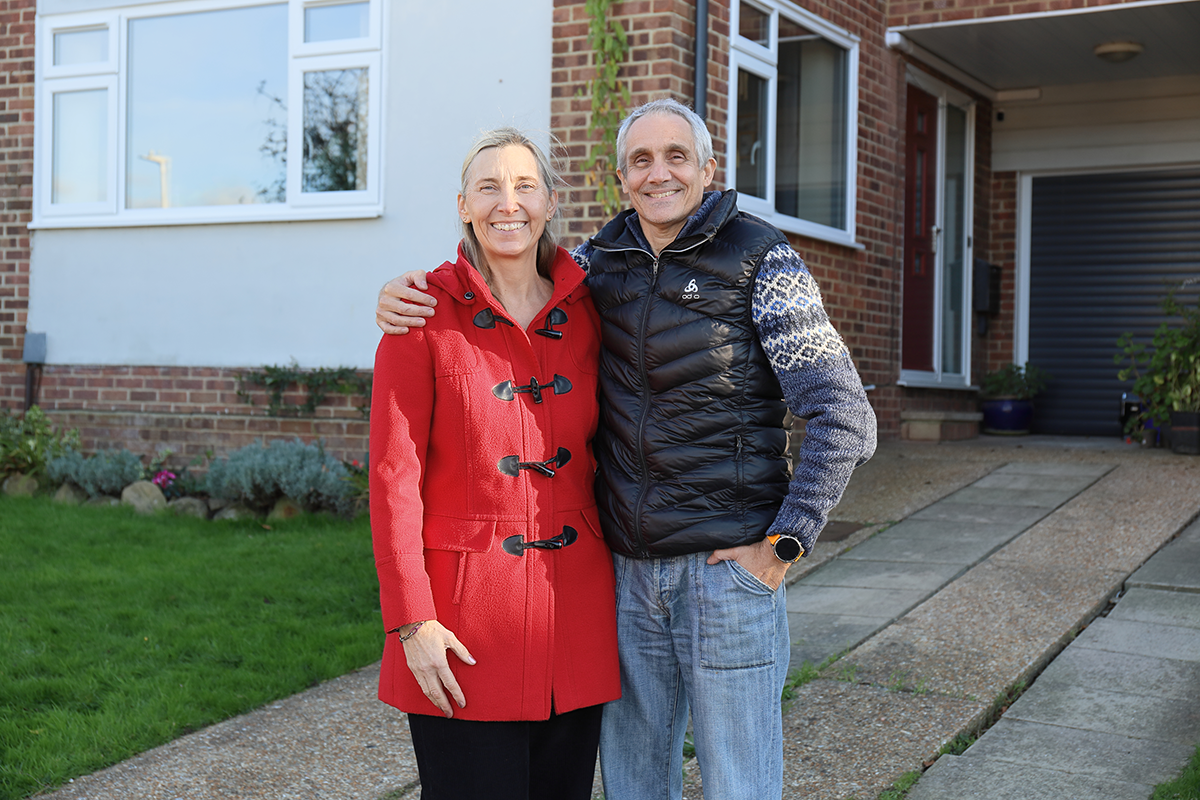
Folkestone, Kent, is home to Tony and Nikki Lambert, who have lived in their semi-detached 1960s property for over 30 years. Alongside a history of green home improvements, their heating system had been upgraded several times, but by 2025 it was proving inefficient and cumbersome. With a traditional warm air system and an old gas boiler handling hot water, energy bills were high and heating distribution uneven. It was time for the Lamberts to make a generational change.
Tackling an outdated heating setup
Tony and Nikki Lambert have never been conventional when it comes to their heating and energy solution, as Tony explains: “We’ve had warm air boilers for decades. The last one we installed about 20 years ago still handled our hot water. It was inefficient, and a lot of heat was wasted.” Nikki adds: “We wanted a neat, all-in-one solution that would handle heating, hot water, and cooling as a bonus, without ripping out walls or going through a full wet central heating overhaul.”
The existing system combined ducted warm air from a Johnson & Starley system with a separate Potterton gas boiler for hot water. Both were inefficient and outdated. Tony states: “It was putting more heat into the garden than the house.” With ongoing concerns about energy usage and comfort, the couple began exploring alternatives, which led them to Daikin’s door.
Finding the right solution
Research led Tony and Nikki to the Daikin Multi+ system, which offered them heating, cooling, and hot water in a single, compact setup. “We watched videos of people using air-to-air heat pumps for primary heating,” Tony says. “The Daikin system looked like it met all our requirements. It ticked all our boxes.”
The couple were put in touch with Cloverleaf Plumbing, Heating, and Renewables based in Sidcup. Owner and installer Dean Dawe surveyed the property, taking into account the existing PV system on the roof and the layout of the house. “The attached garage was ideal for the larger 230L hot water cylinder,” Dean explains. “Plus removing the old water tank from the airing cupboard inside opened up more storage space for the Lamberts too.”
Installation without disruption
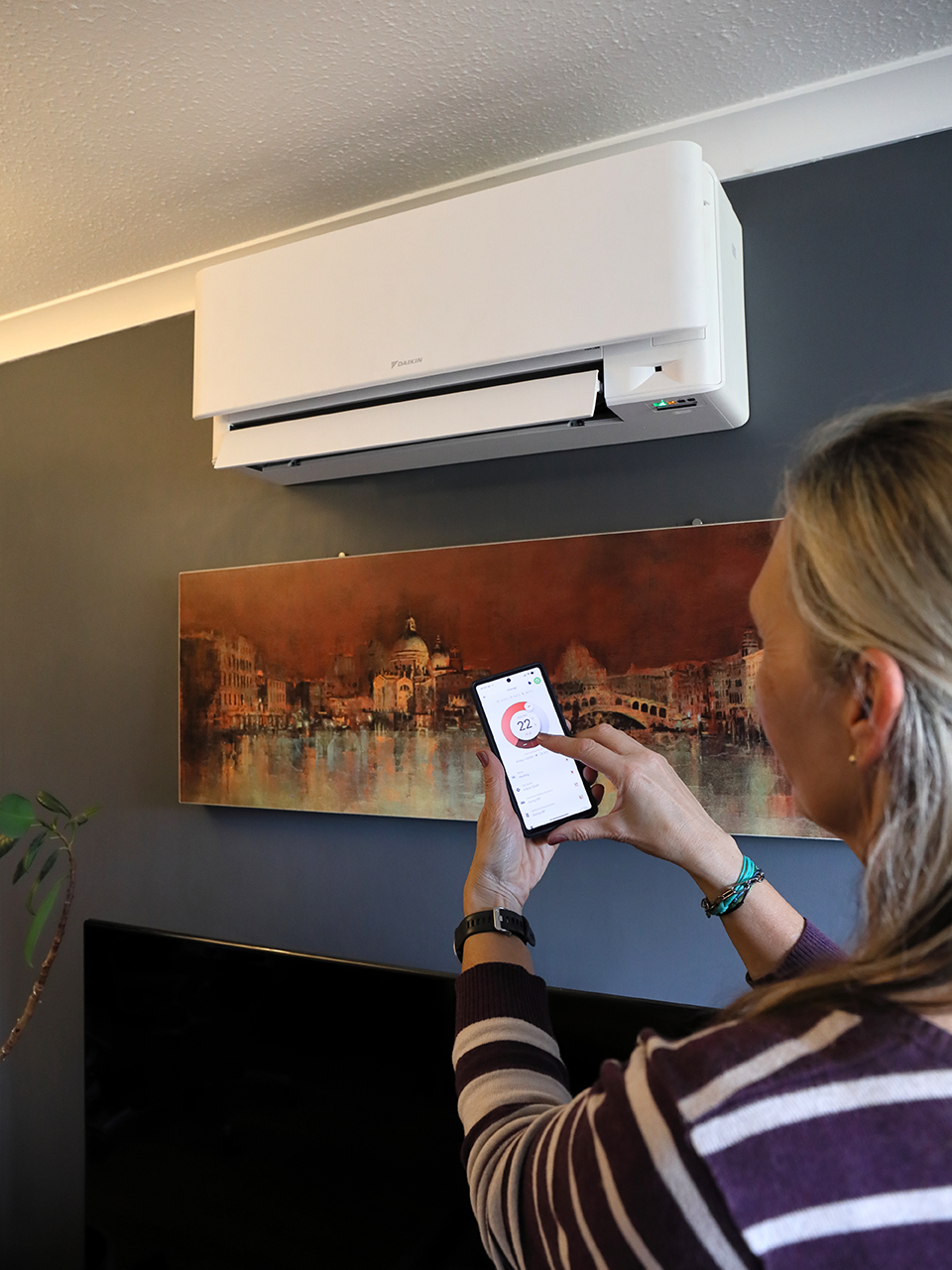
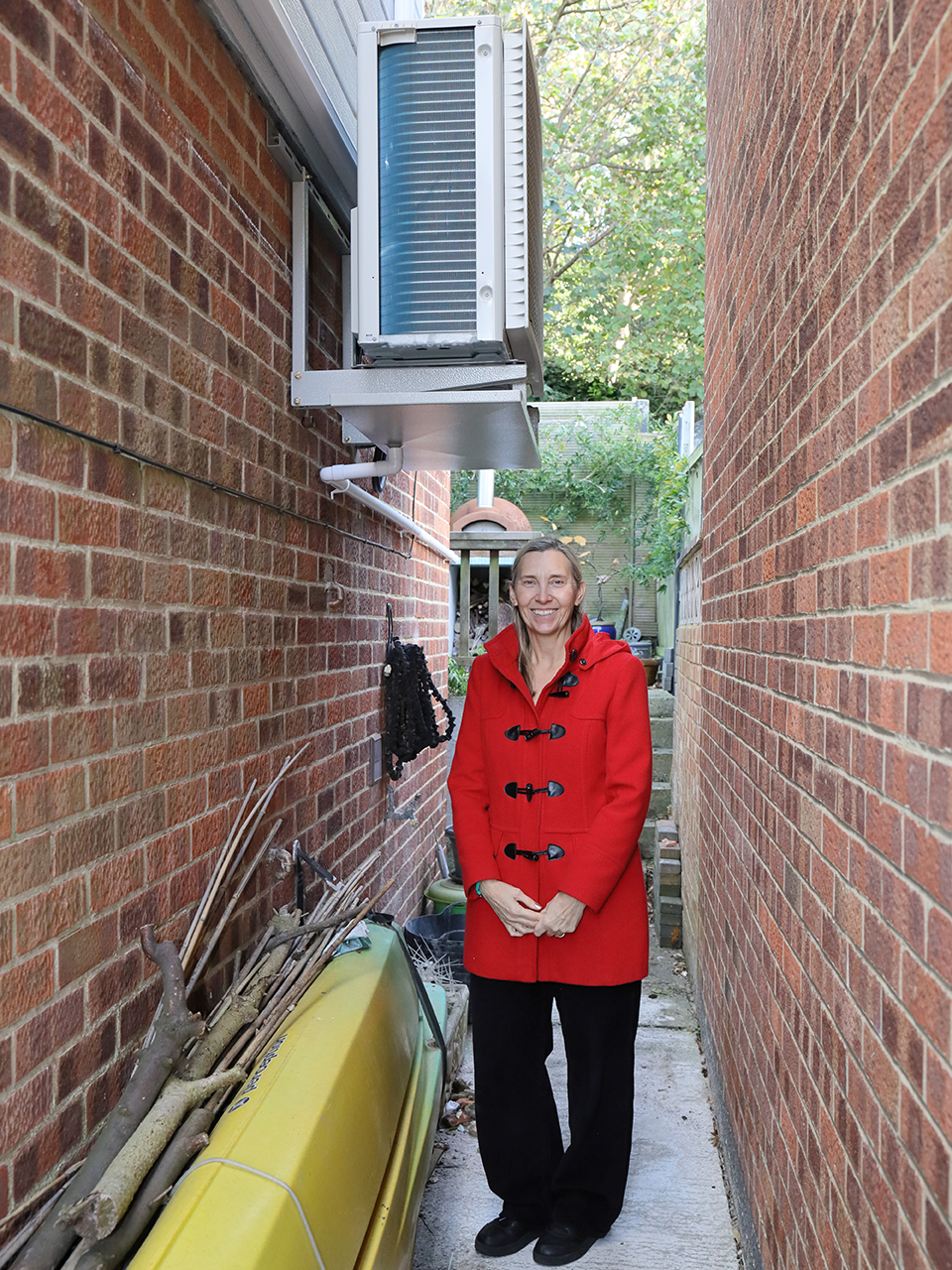
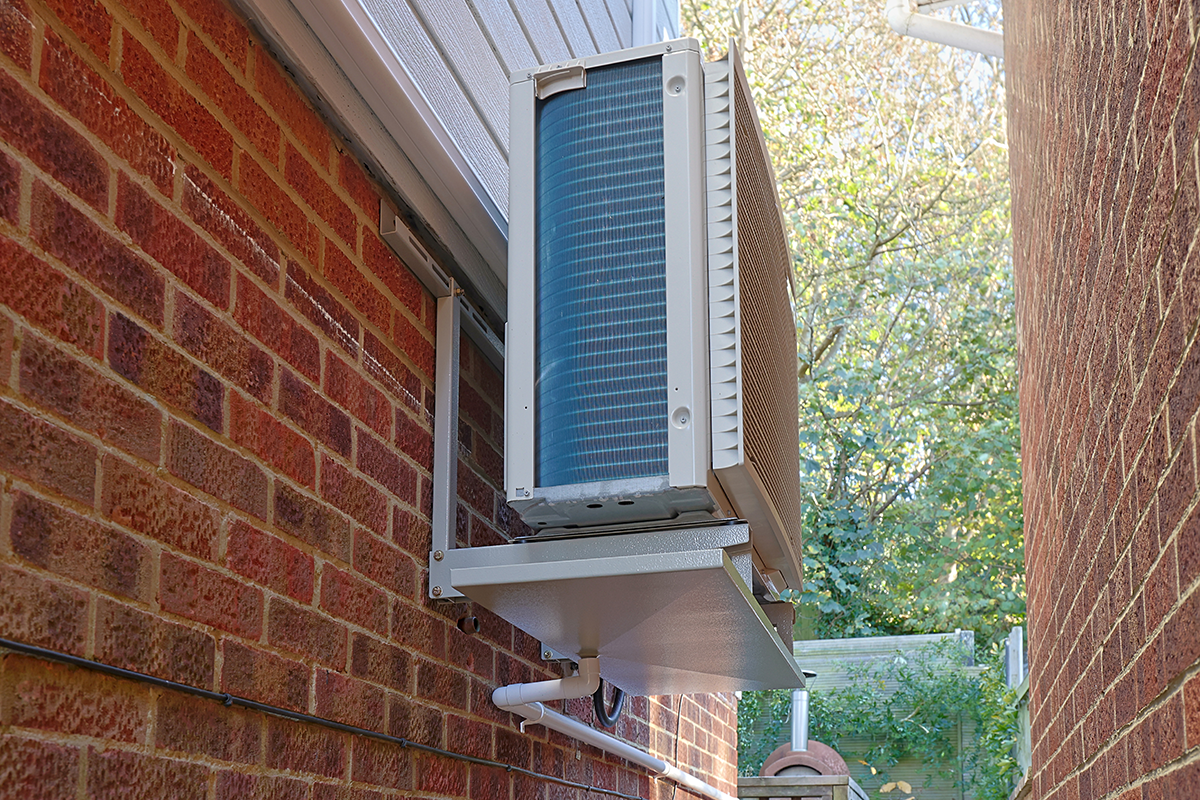
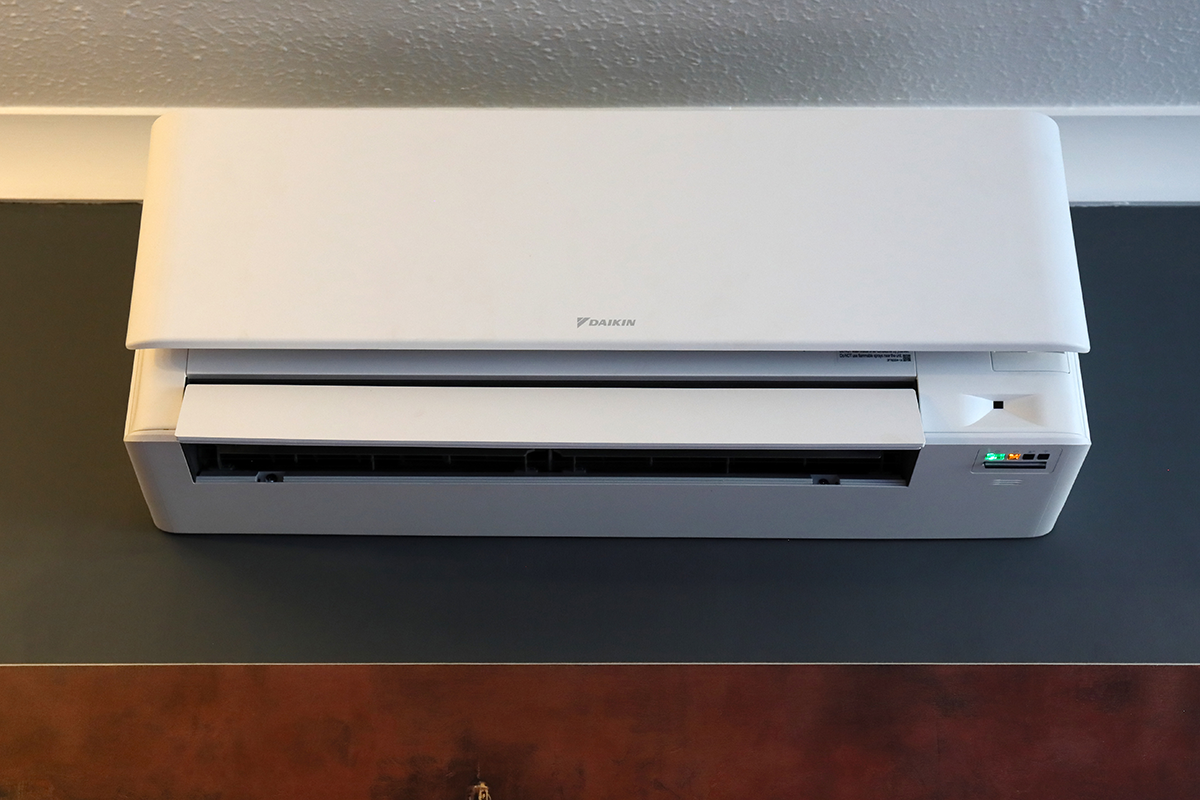
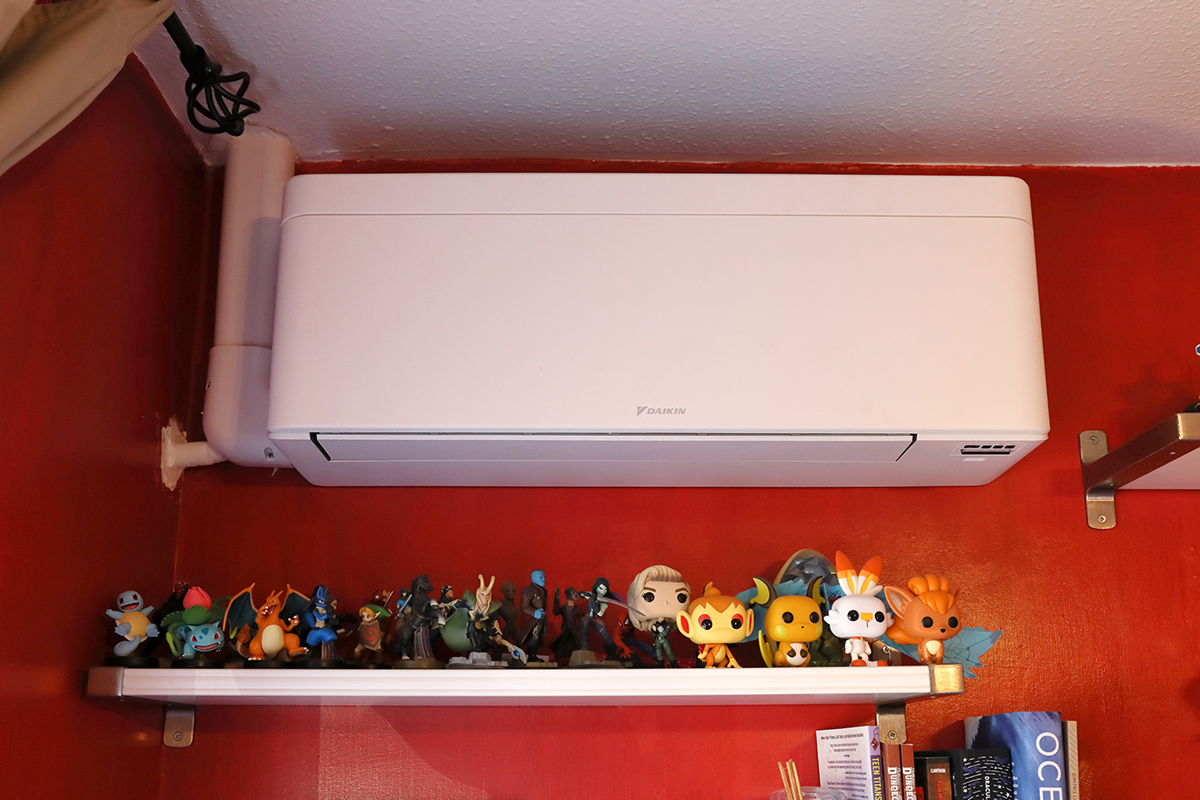
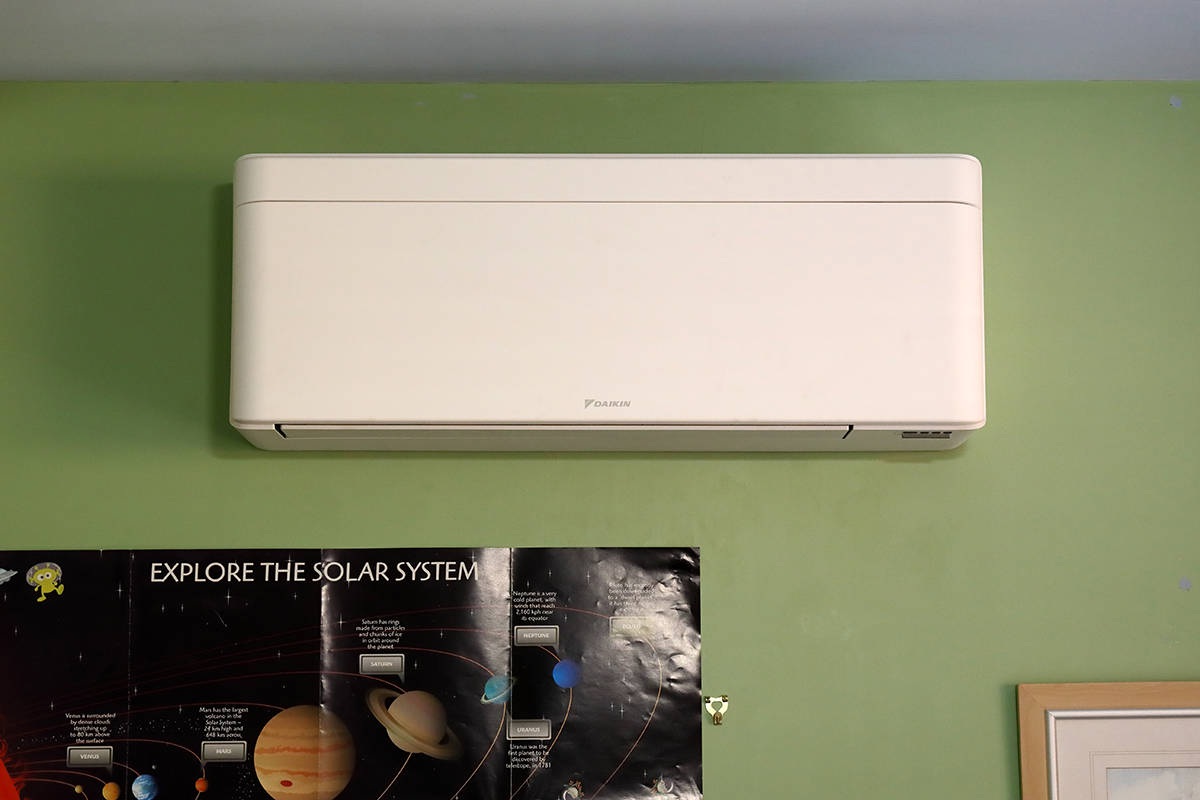
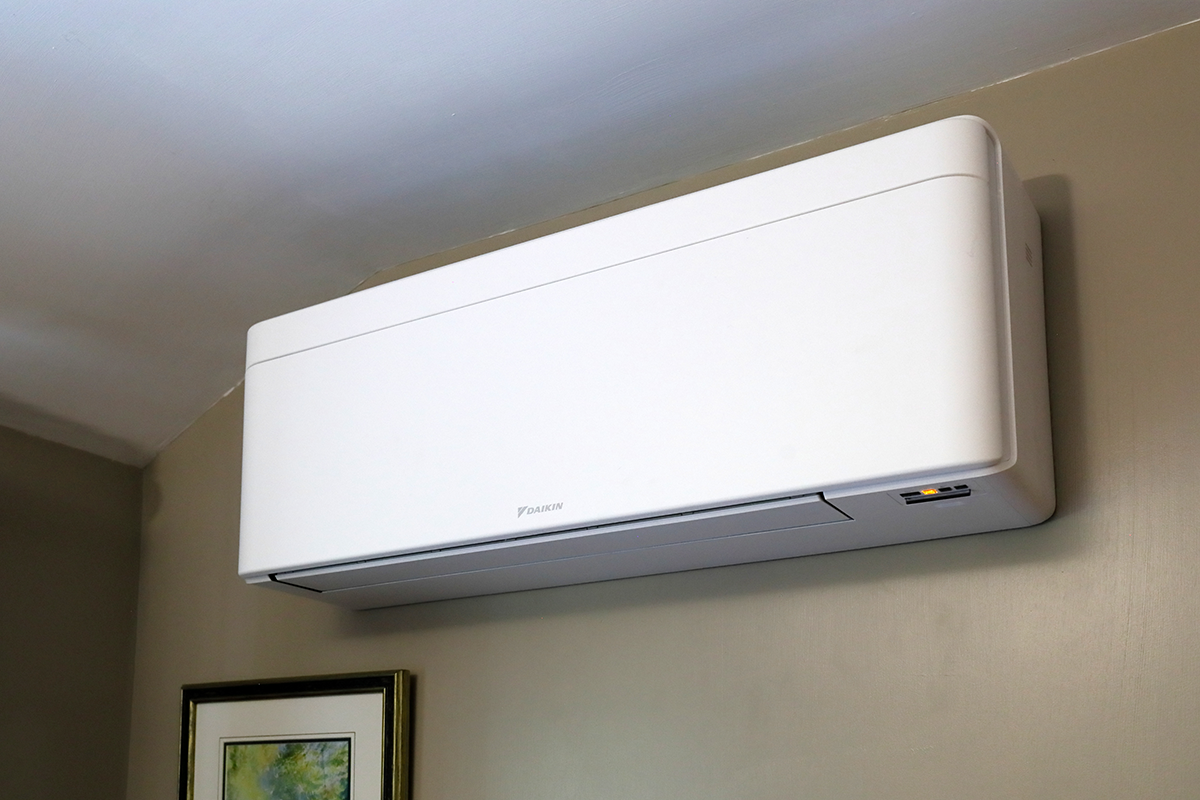
The property’s semi-detached 1960s build presented some challenges for installation, but the team managed to fit the Multi+ system without major disruption. Dean describes the process: “Indoor units were positioned on outside walls with trunking to minimise visible pipework. The cylinder was installed in the garage, connected to one indoor unit, while the other four units served the lounge and three bedrooms. The warm air system vents remained, but the old system that supplied them was removed.”
The full installation took just days, with careful attention to avoiding joins in the high-pressure refrigerant pipework. Tony adds: “There was only one day without hot water, but the mains cold water was available, so it wasn’t a problem.”
Efficient and flexible performance
Since installation in October 2025, the Daikin Multi+ system has exceeded expectations. Tony explains: “Heat builds up quickly, and we can warm individual rooms separately. Hot water works perfectly, and the mains pressure showers are excellent. The garage cylinder heats efficiently at night, using just one or two kilowatts per night, costing us pence, not pounds.” Nikki further notes: “We’re looking forward to trying the cooling function when the weather warms up next summer. A nice bonus is that the system has freed up spaces that were previously occupied by the old kit, and so everything is neat and tidy, with a bit more storage space available.”
The couple are also using the Daikin Onecta app to control the heating and hot water schedules remotely, as Tony explains: “It’s simple to use and we both have it installed on our smart phones. It’s very intuitive and gives us that flexibility to quickly change the configuration as and when we need to.”
Savings and sustainability
Although it’s early days, Tony estimates substantial savings. “Hot water costs are just pennies a day compared to around £110 per month previously. So our energy bills overall, over the course of the year, are expected to be much lower.” The house also benefits from cavity wall insulation, modern double-glazing, and a solar PV array installed six years ago, feeding electricity directly into the home.
Looking ahead
The Lamberts are very happy with their new Daikin Multi+ system and would gladly recommend it to other homeowners, particularly those with outdated, existing wet heating systems.
For now, Lambert House stands as a practical, comfortable, and energy-conscious home, demonstrating the capabilities of Daikin’s Multi+ technology.
Products used on this project


Get in touch with an installer
Complete the form to be contacted by one of our carefully selected installers for expert advice