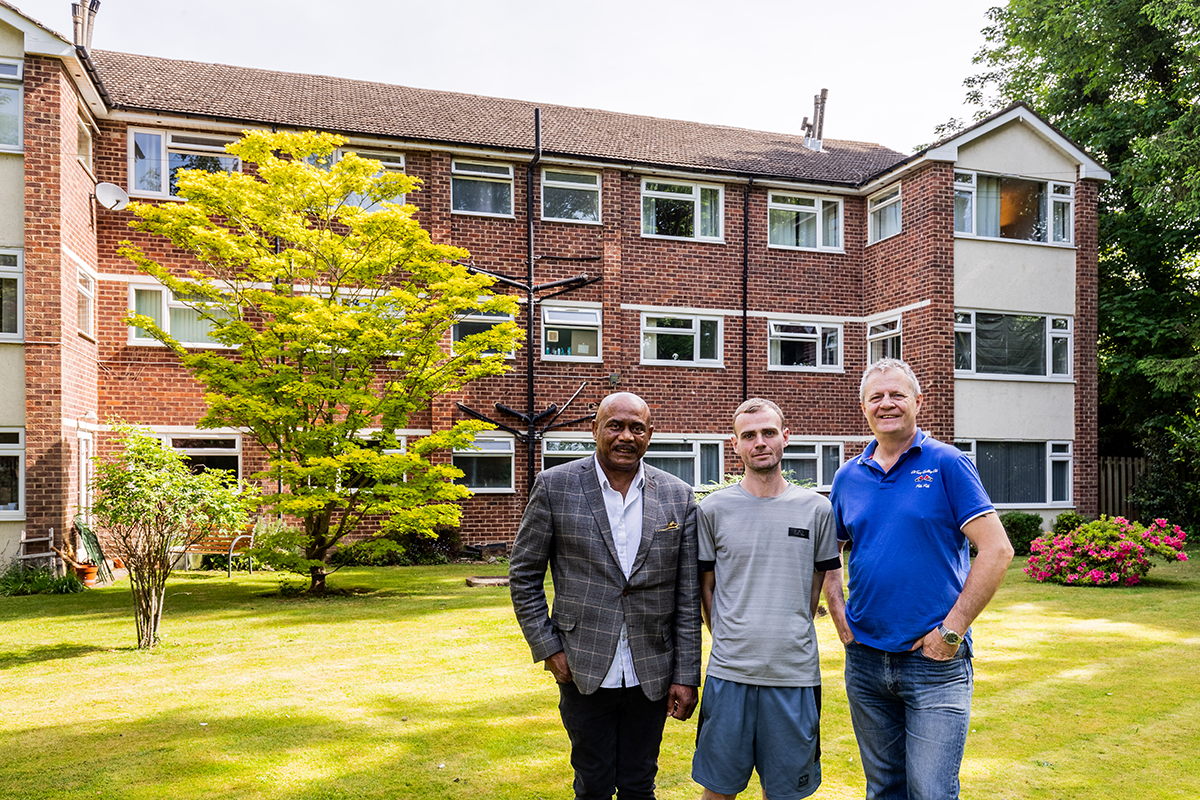
When Lawrence Allers, Head of Renewables at Work Work Ltd, was asked to replace an ageing oil boiler heating system in a 1970s Birmingham apartment development, the project quickly became much more than a standard heating upgrade.
Located within a three-block residential complex of 36 privately owned flats, the installation would become one of the first air source heat pump retrofits carried out at the site – and potentially the catalyst for wider decarbonisation across the entire development – a showcase project to share with other homeowners.
A dated oil heating system
The project began after resident Anna contacted Lawrence following ongoing issues with the property's communal oil-based heating set-up. The flat relied on an ageing oil boiler connected to a shared communal oil tank serving the wider development. While some residents had already moved to electric heating, most flats were still connected to oil-based infrastructure installed more than 40 years ago.
"The buildings are around 45 years old, so the heating systems were very dated," explains Lawrence. "This was the first real opportunity to demonstrate what a modern air source heat pump system could achieve in this type of property."
After assessing the flat, Lawrence and the team at Work Work Ltd proposed replacing the old oil system with a Daikin air-to-water heat pump installation, supported through the Government's Boiler Upgrade Scheme (BUS).
"With the current temporary uplift in the BUS grant, this is an ideal time for homeowners still relying on ageing oil boilers to make the switch," says Lawrence. "The grant significantly reduces the upfront cost, meaning many homeowners can now install an air source heat pump for less than the cost of replacing an old oil boiler. We handled the BUS application process and managed the project from start to finish, making the whole process as straightforward as possible."
A challenging third-floor retrofit
While the apartment itself was relatively compact – comprising a single bedroom, living room, kitchen and bathroom – the installation presented several technical challenges.
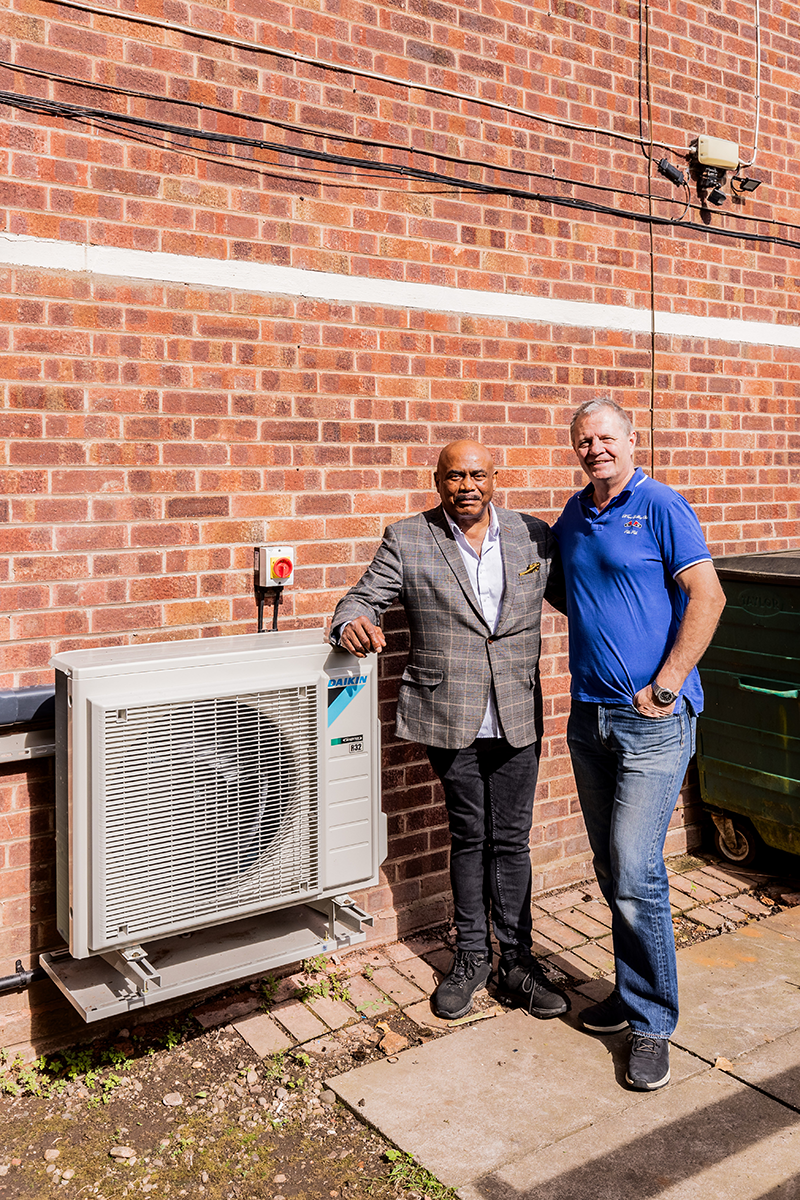
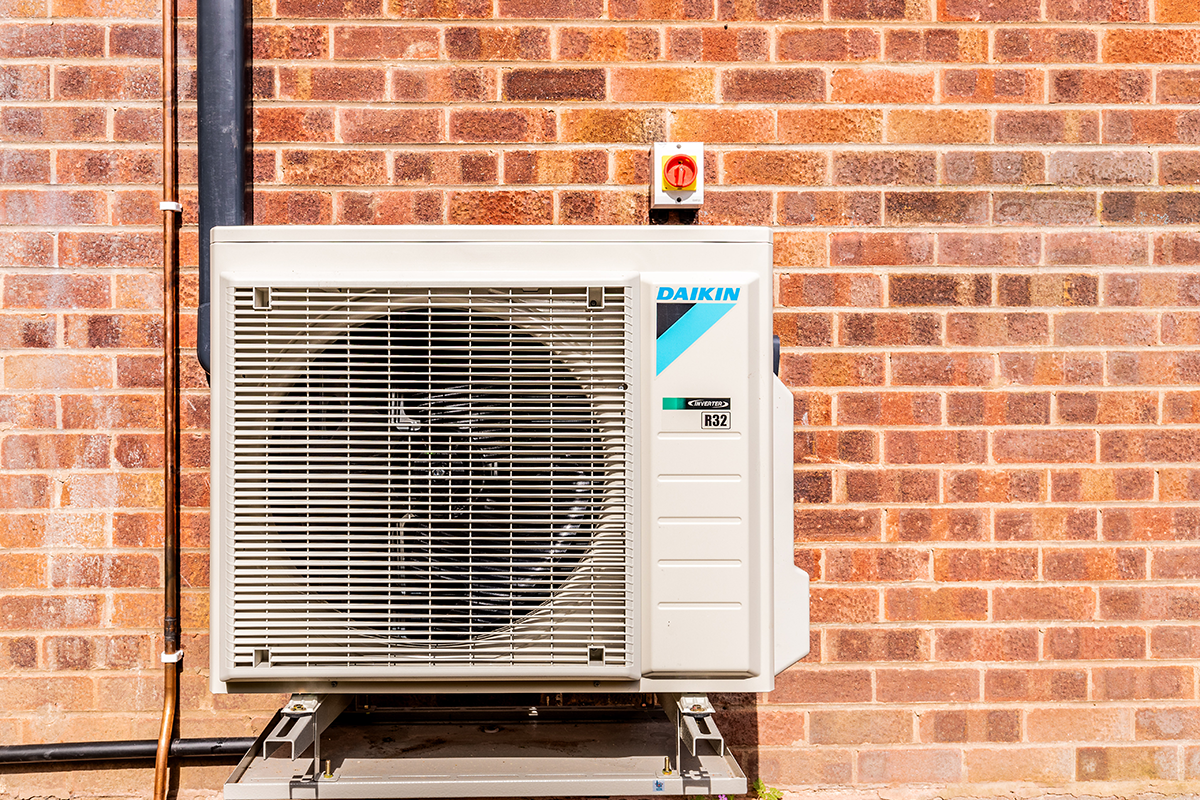
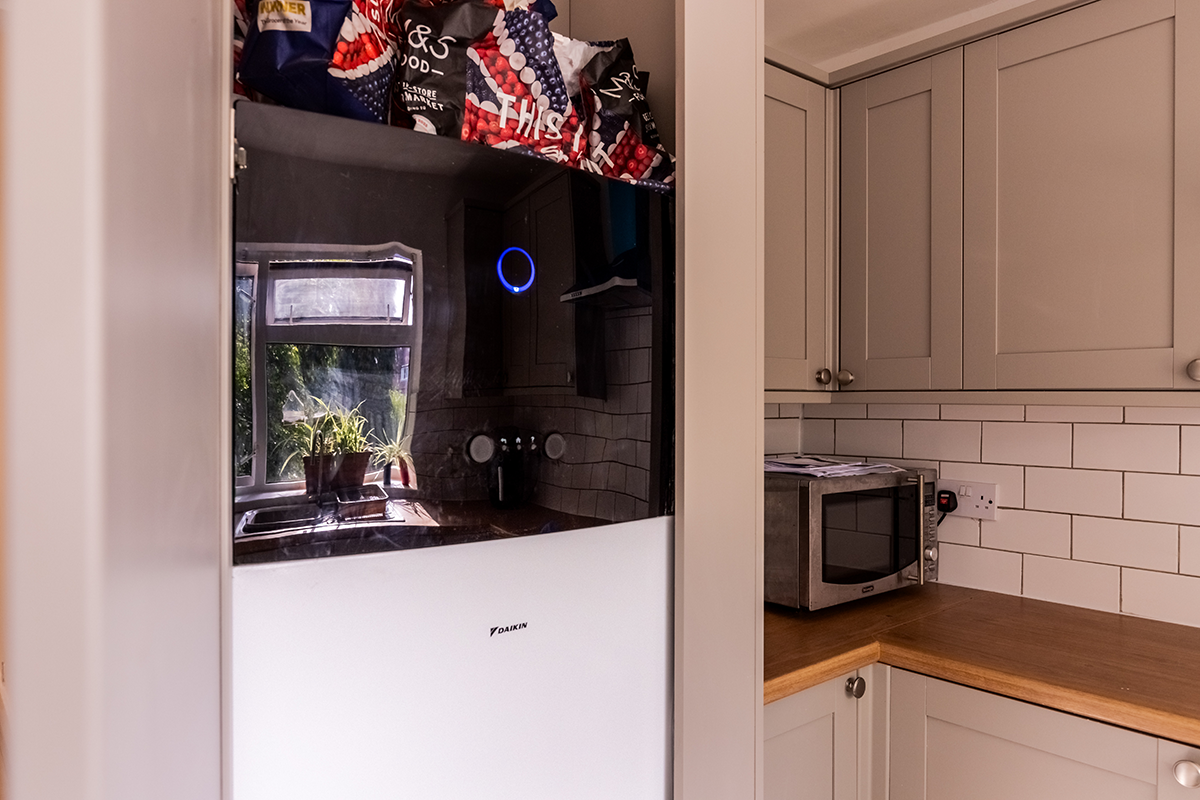
Unlike a standard house installation, the outdoor unit had to serve a third-floor flat from ground level. Pipework was routed externally up the building façade before entering through the loft area and connecting to the indoor unit and hot water cylinder in the flat.
"The first installation is always the hardest because it represents a learning curve," Lawrence explains. "This was particularly challenging because it was a third-floor flat, which we had to connect to a heat pump on the ground."
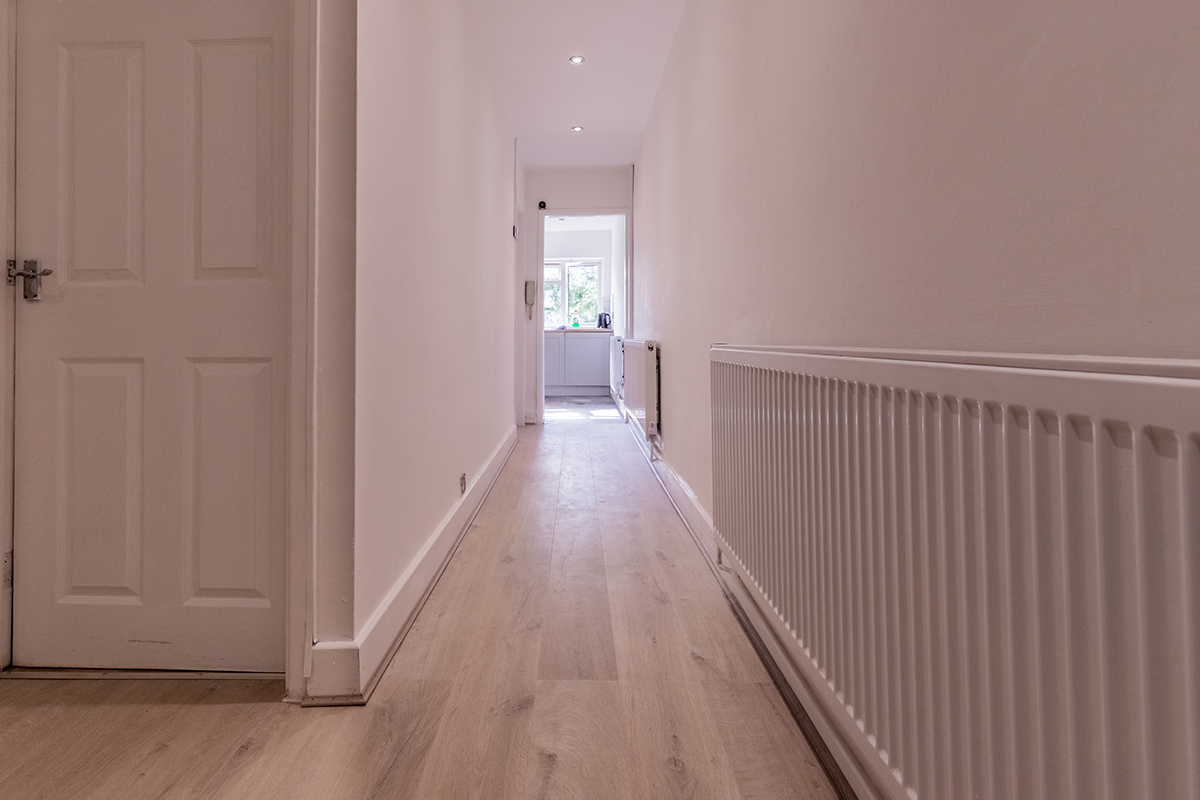
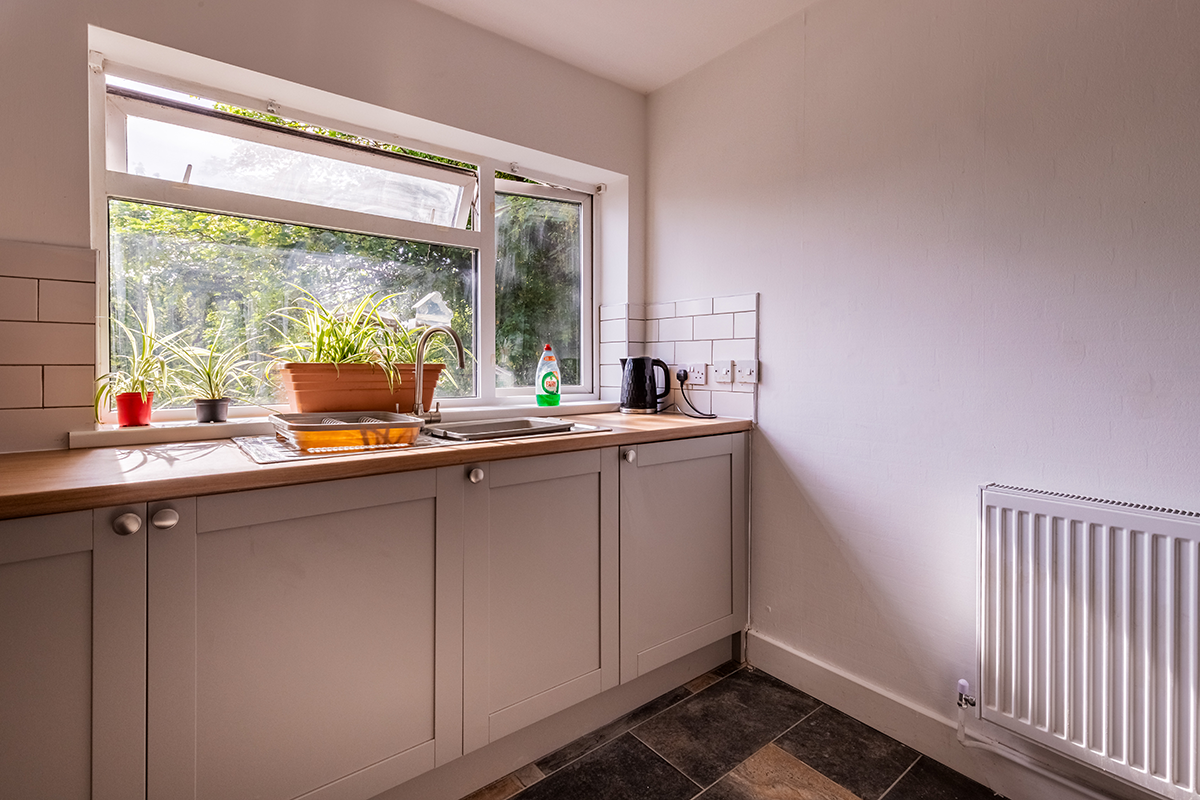
The existing oil boiler system also required extensive removal works. Pipework that was initially intended to be reused ultimately had to be replaced entirely, alongside a full radiator upgrade throughout the property.
"In the end it became a full rip-out and replacement project with new radiators and completely new pipework," says Lawrence.
The installation was further complicated by a simultaneous kitchen refurbishment being carried out by a separate contractor, requiring careful coordination between trades throughout the project.
Overcoming leasehold concerns
The project initially faced resistance from the building's managing agent, who raised concerns about the appearance of the external heat pump equipment.
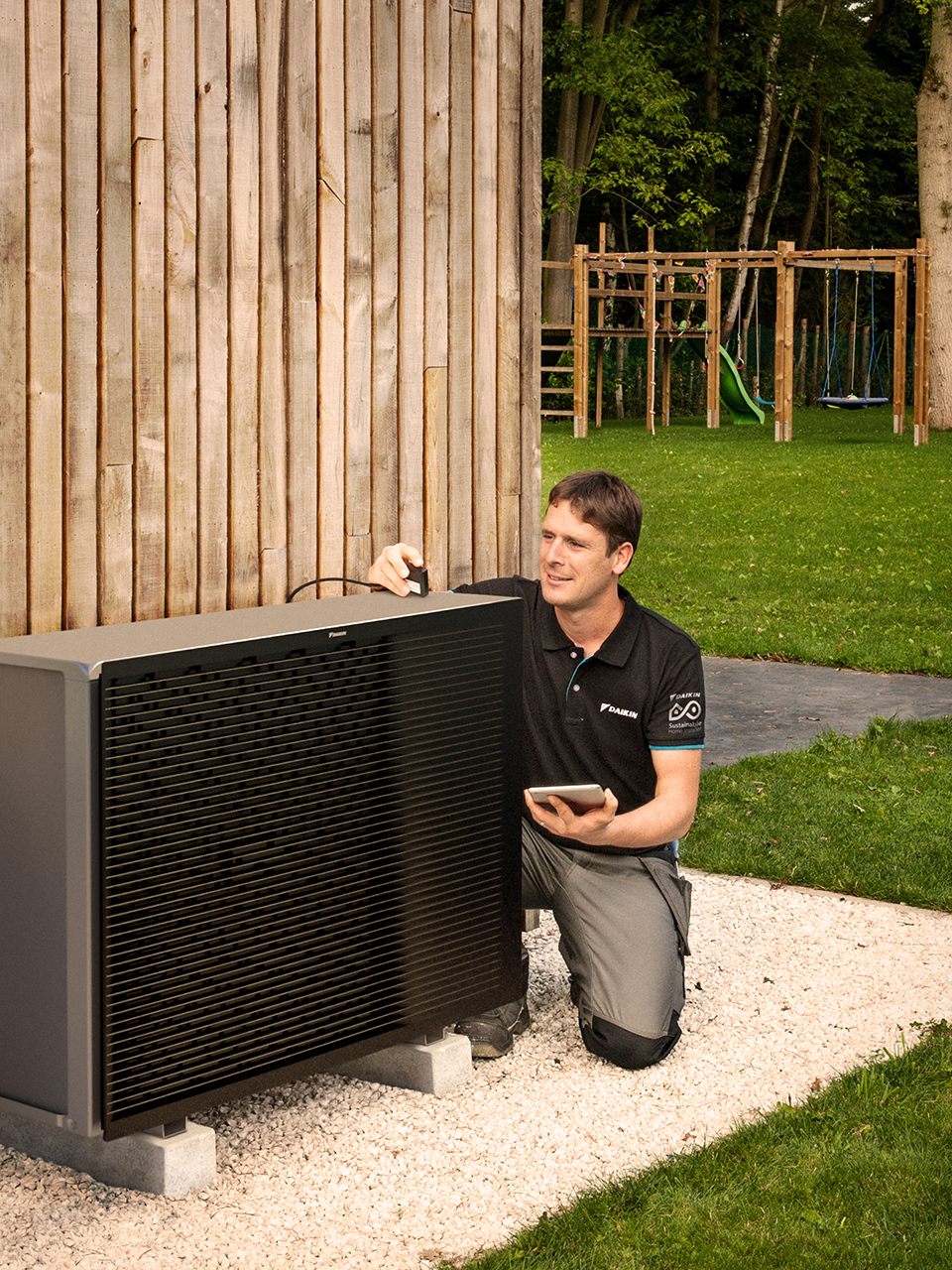
"The agent initially felt the heat pump might look unattractive or out of place," Lawrence explains. "We had to provide photographs and examples to reassure them."
Thankfully, no formal planning objections were raised, with the wider push towards low-carbon heating helping smooth the process.
"There was no resistance from the council – quite the opposite actually, because the move away from oil heating is strongly encouraged locally," he says.
Installation and commissioning
A four-person installation team carried out the works over approximately six working days – longer than a typical retrofit due to the complexity of the building layout and associated refurbishment works.
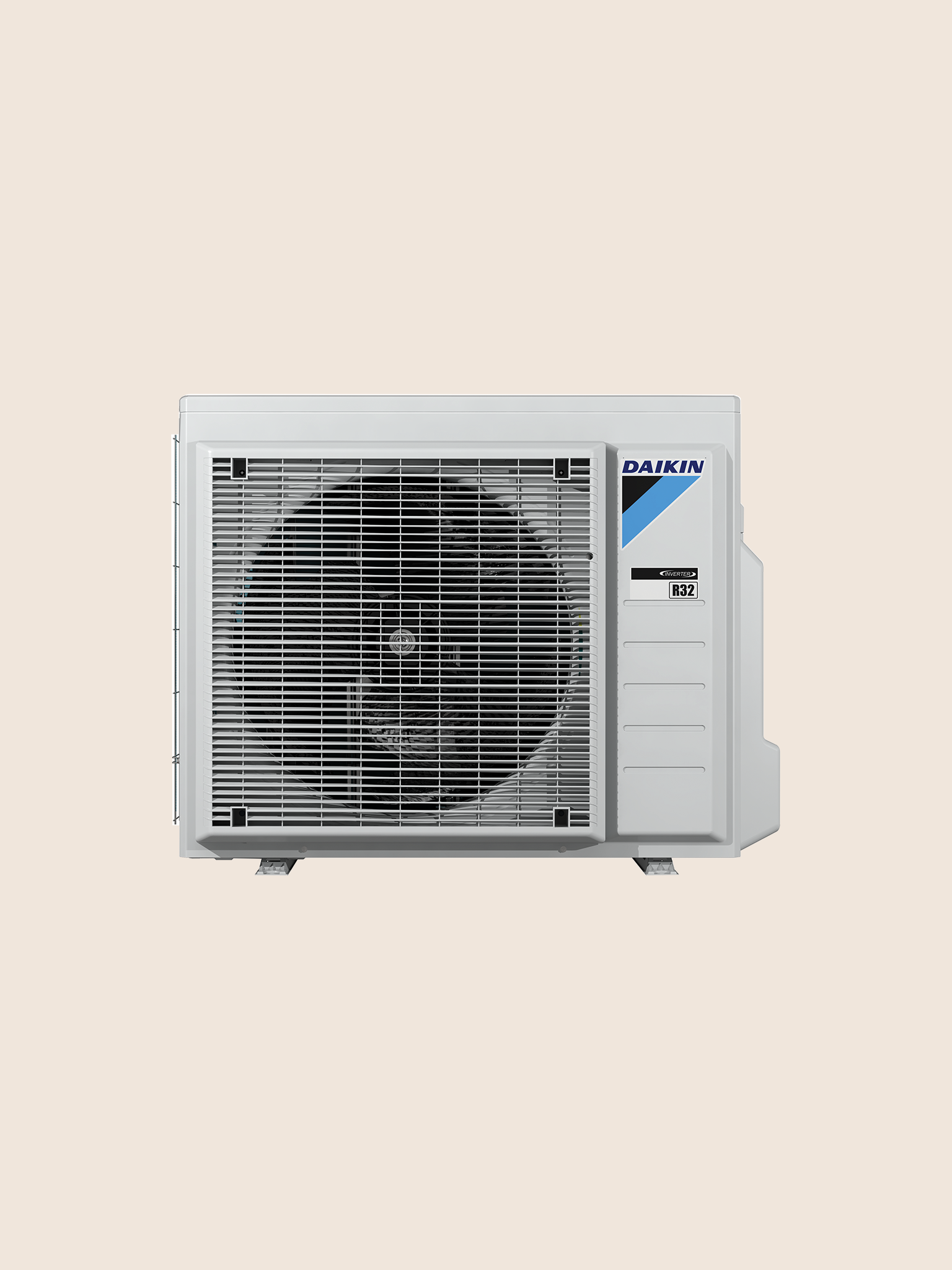
The Daikin split-system heat pump selected for the project uses R-32 refrigerant technology to transfer heat efficiently between the outdoor unit and the internal cylinder system.
"It's a very innovative setup," Lawrence explains. "The refrigerant acts as the heat transfer medium between the heat pump and the cylinder, helping improve overall efficiency."
Final commissioning required a certified F-Gas engineer to complete refrigerant charging and system setup before the installation became fully operational.
Early comfort improvements
Tenant Connor Nelson moved back into the property shortly after commissioning and says his first impressions of the new system have been very positive.
"The old oil system wasn't terrible, but it was noisy and obviously very old. It had developed a leak at one point," says Connor. "The new system is nice and quiet and everything's running smoothly so far."
Although the installation was completed during warmer weather, Connor says the domestic hot water performance and overall comfort levels have already noticeably improved.
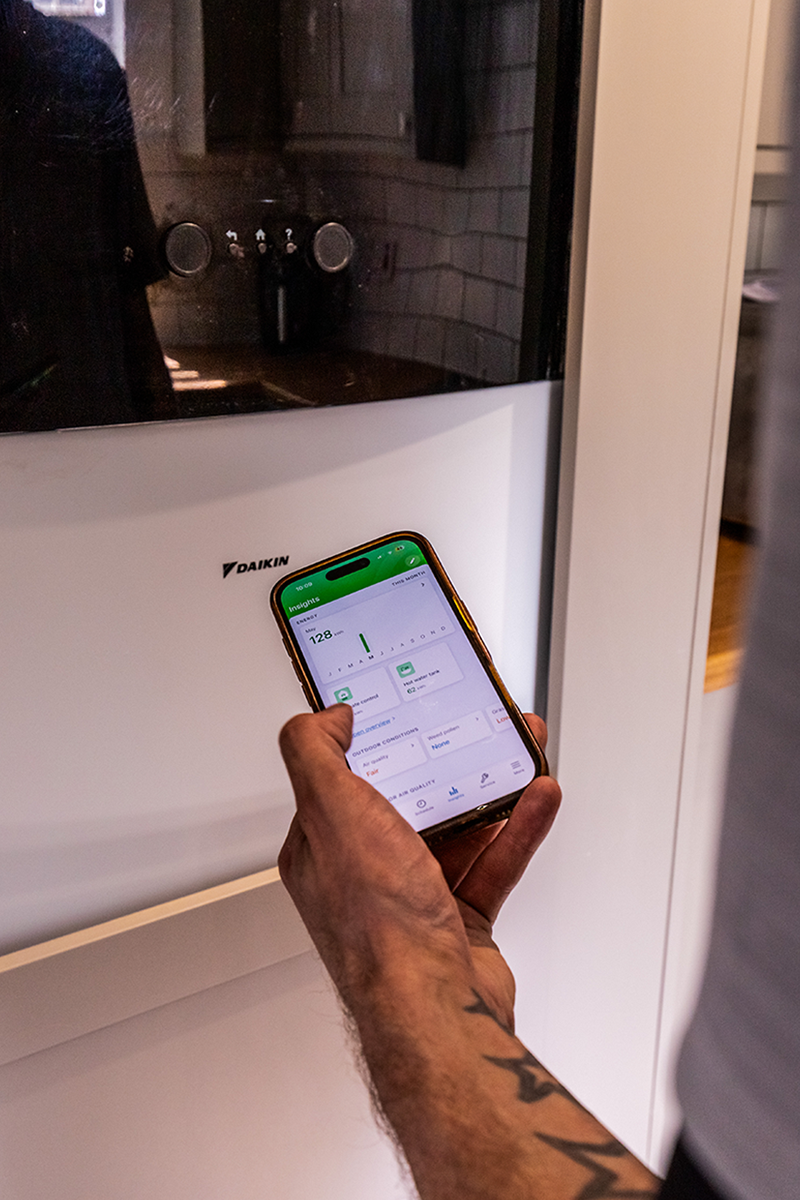
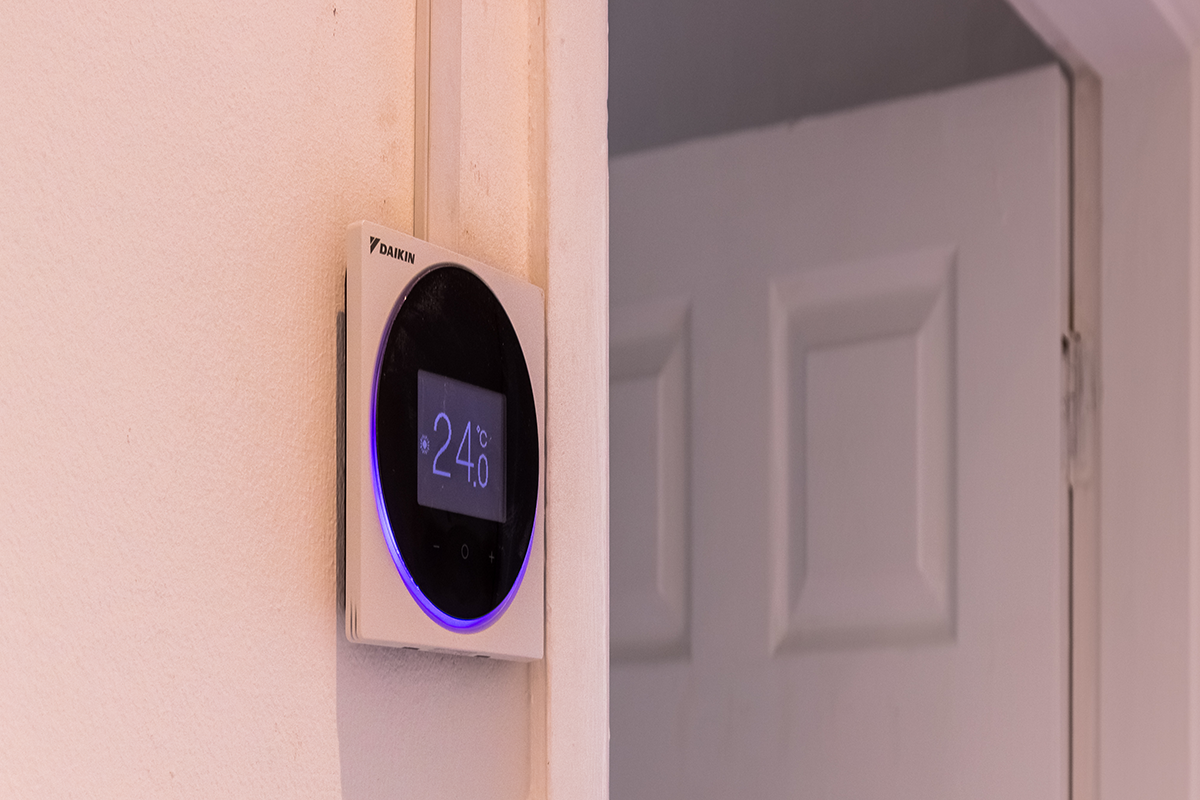
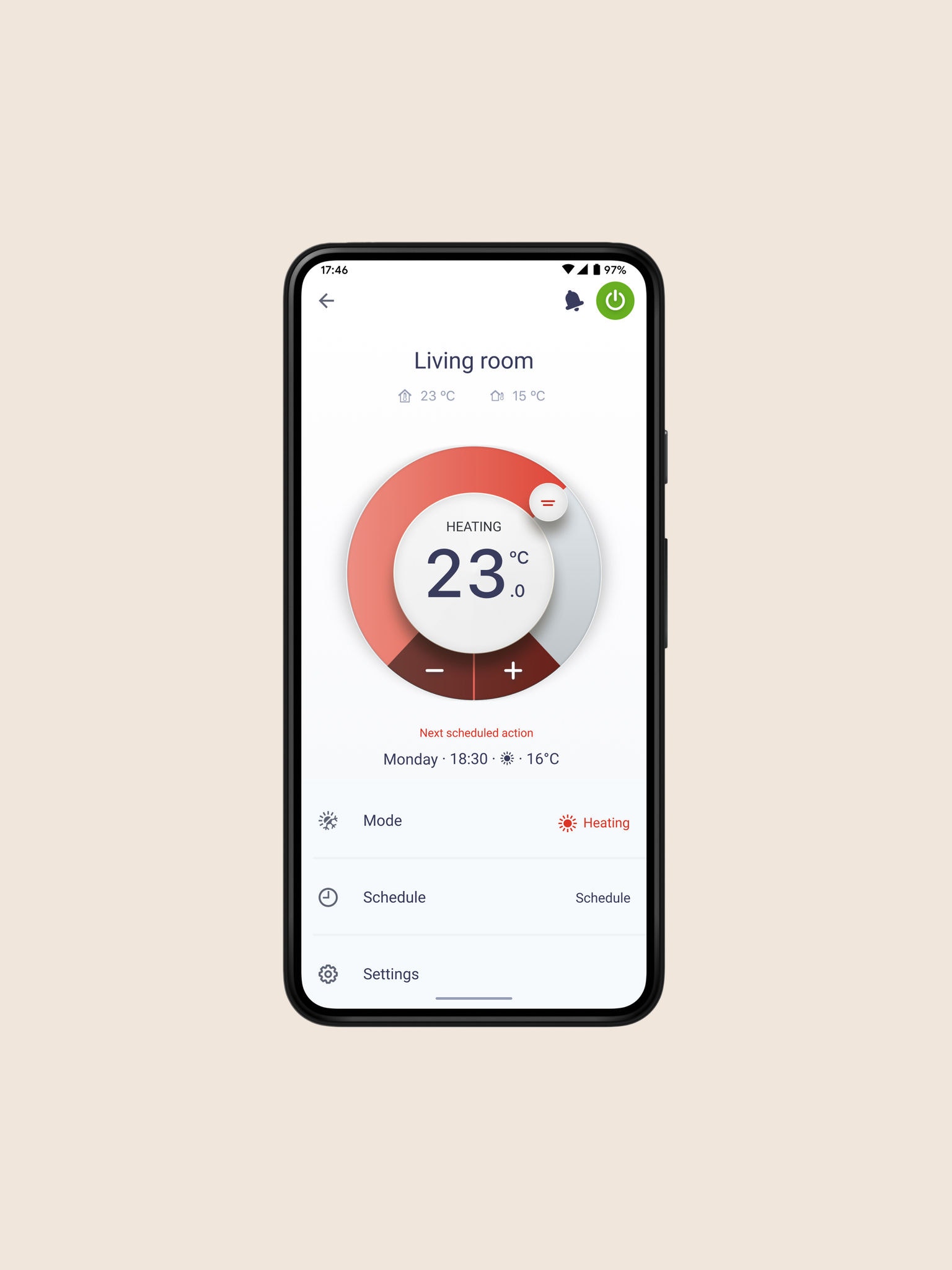
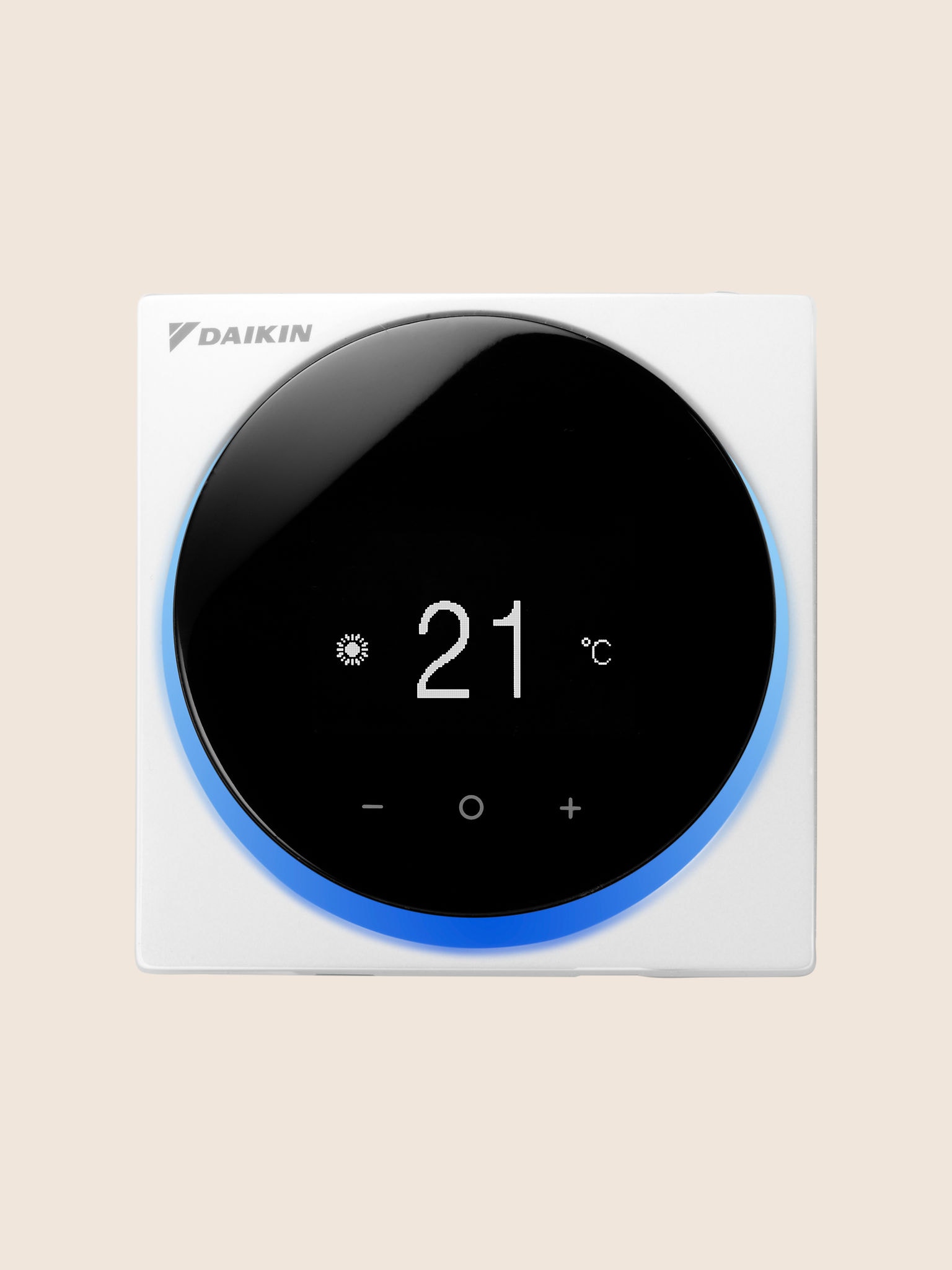
The system also includes Daikin's Onecta app, giving Connor simple control of heating and hot water settings from his smartphone.
Lower upfront costs, running costs and lower emissions
Beyond the improvements in comfort and convenience, the project also demonstrates the financial and environmental benefits of replacing older oil heating systems with modern air source heat pumps.
"The temporary uplift in the Boiler Upgrade Scheme creates a real opportunity for both homeowners and installers," says Lawrence. "For properties like this, the grant can reduce the upfront installation cost to below that of installing a brand-new oil boiler, delivering a capital saving of around £2,500 to £4,500."
Lawrence also highlights the growing uncertainty surrounding heating oil prices.
"Heating oil prices are heavily influenced by global energy markets and can fluctuate significantly, particularly during periods of geopolitical instability," he says. "By moving away from oil to a highly efficient heat pump, homeowners can protect themselves from those fossil fuel price spikes and gain much greater certainty over their future energy bills."
Under current energy prices, an efficiently designed air source heat pump system can also deliver annual running cost savings of up to £400 compared with an oil heating system, even when operating on a standard electricity tariff.
Alongside the financial benefits, the environmental case is equally compelling. As the UK electricity grid continues to decarbonise, modern heat pumps produce substantially lower carbon emissions than traditional oil boilers, helping homeowners significantly reduce the carbon footprint of their property while future-proofing their heating system.
Future rollout potential
For Lawrence and the team at Work Work Ltd, the project represents not just a successful retrofit, but the beginning of a wider opportunity to help decarbonise the remaining flats within the development while demonstrating what's possible for thousands of similar oil-heated properties across the UK.
"We're really excited because it's the first installation of its kind in the area," says Lawrence. "Residents have already expressed interest in the installation, and we're planning to present the project to the wider residents' committee. Hopefully it shows that replacing an ageing oil boiler with a heat pump isn't just the environmentally responsible choice – it can also make financial sense, especially while the enhanced BUS funding is available."
By demonstrating that a modern Daikin air source heat pump system can be retrofitted into a challenging third-floor apartment, the project highlights the potential for low-carbon heating solutions within older multi-residential buildings. With lower upfront costs, the potential for reduced running costs and significantly lower carbon emissions, it also illustrates why now is an ideal time for homeowners to maximise the temporary BUS uplift and replace outdated oil heating systems with efficient air source heat pump technology.
By demonstrating that a modern Daikin air source heat pump system can be retrofitted into a challenging third-floor apartment, the project highlights the potential for low-carbon heating solutions within older multi-residential buildings. With lower upfront costs, the potential for reduced running costs and significantly lower carbon emissions, it also illustrates why now is an ideal time for homeowners to maximise the temporary BUS uplift and replace outdated oil heating systems with efficient air source heat pump technology.
Products used on this project
Get in touch with an installer
Complete the form to be contacted by one of our carefully selected installers for expert advice.